Animal Rescue

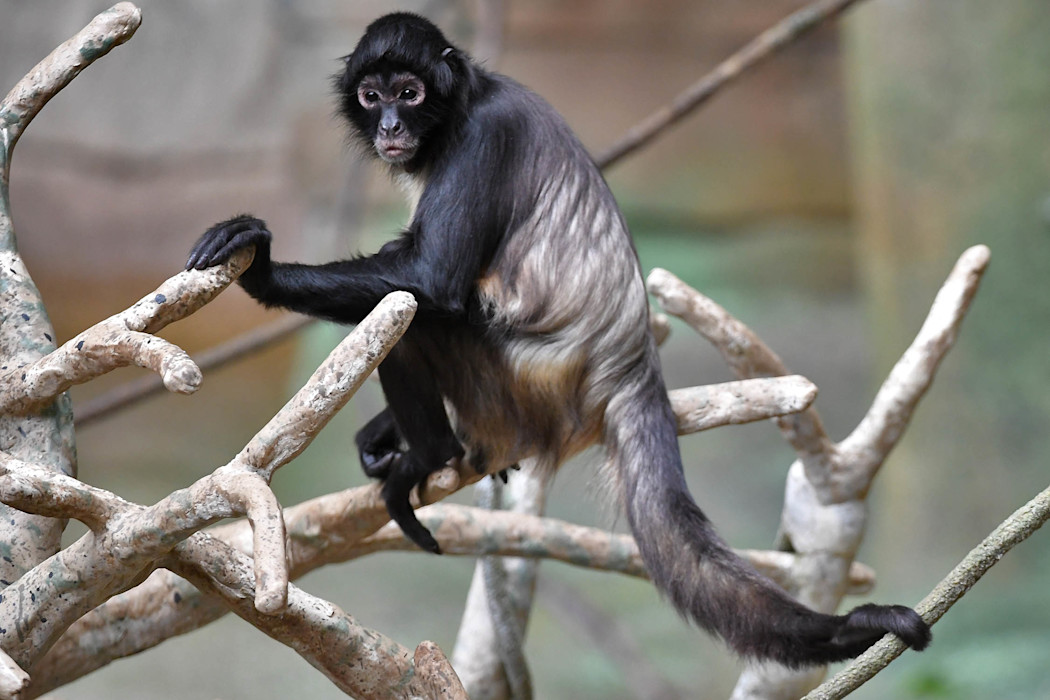
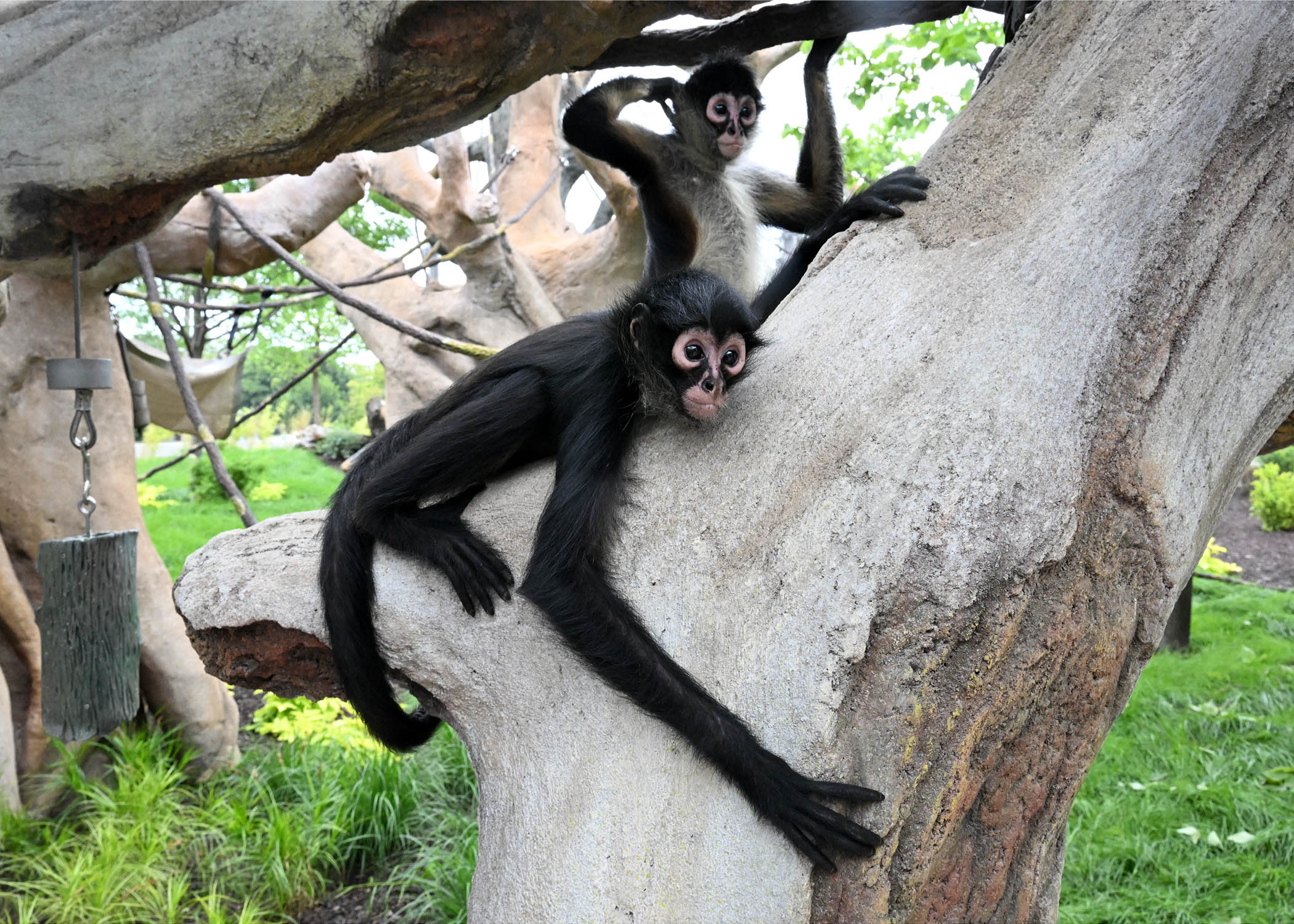
A black-handed spider monkey hugs a tree branch, its long arm stretched out.

Giving Wildlife a Second Chance

Animal rescue plays a critical role in wildlife conservation across the United States. Every year, thousands of animals are injured, orphaned, displaced, or illegally trafficked due to human activity, habitat loss, pollution, and climate change. When these animals cannot survive on their own in the wild, a nationwide network of wildlife agencies, rescue organizations, rehabilitation centers, and accredited zoos step in to help.

Brookfield Zoo Chicago is proud to be part of this national animal rescue effort, working alongside the U.S. Fish and Wildlife Service (USFWS), the National Marine Fisheries Service (NMFS), state wildlife agencies, and other accredited zoos to provide a forever home and expert care for these animals.
What is Animal Rescue?

Animal rescue refers to the protection, treatment, rehabilitation, and long-term care of animals that are injured, orphaned, or threatened. In the United States, wildlife rescue is highly regulated to ensure animals receive appropriate medical care and that conservation laws are upheld.

Animal rescue efforts may include:

  • Responding to injured wildlife*

  • Rehabilitating orphaned animals*

  • Caring for animals impacted by pollution or climate events

  • Providing sanctuary for animals seized from the illegal wildlife trade

  • Offering lifelong care when animals cannot safely return to the wild

*Brookfield Zoo Chicago cannot respond to injured or orphaned wildlife. For assistance, please contact a licensed wildlife rehabilitator such as Willowbrook Wildlife.

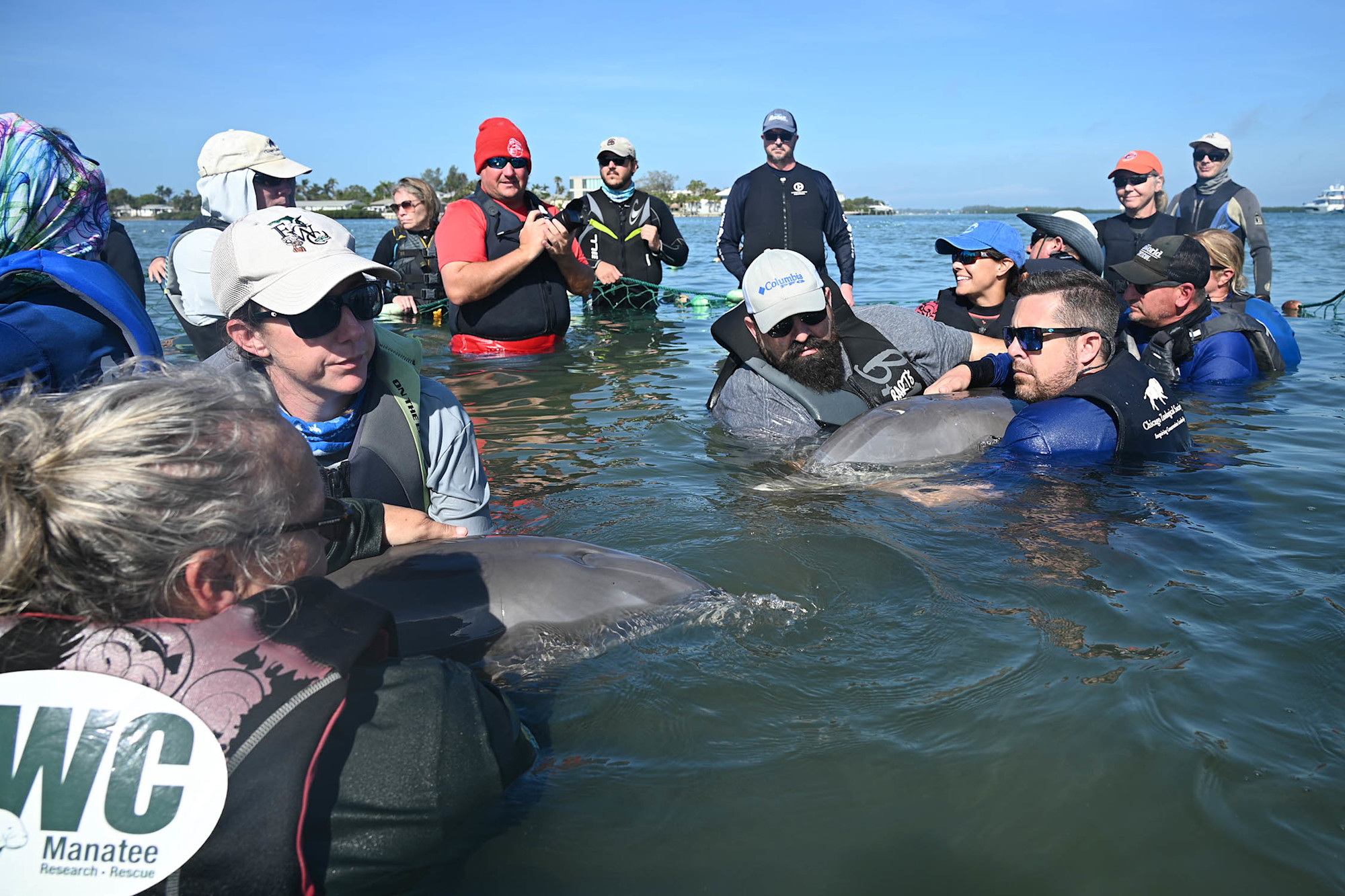
A group of researchers hold onto bottlenose dolphins in the water, rescuing them.

How Animal Rescue Works in the U.S.

When a wild animal is found injured or in distress, trained professionals assess the situation. Federal agencies such as the U.S. Fish and Wildlife Service and National Marine Fisheries Service determine whether an animal can be rehabilitated and released or whether permanent professional care is required.

If an animal cannot survive independently in the wild, accredited zoos and aquariums like Brookfield Zoo Chicago may be asked to provide a forever home. These facilities meet rigorous standards for animal welfare, veterinary medicine, enrichment, and conservation education.

Why Some Rescued Animals Cannot Return to the Wild

While many rescued animals are successfully released, some sustain injuries or conditions that make survival in the wild impossible. These may include:

  • Permanent loss of vision

  • Inability to fly, swim, or hunt

  • Neurological damage

  • Imprinting on humans at a young age

For these animals, accredited zoos offer safe habitats, expert veterinary care, and opportunities to serve as ambassadors for their species — helping inspire conservation action and public awareness.

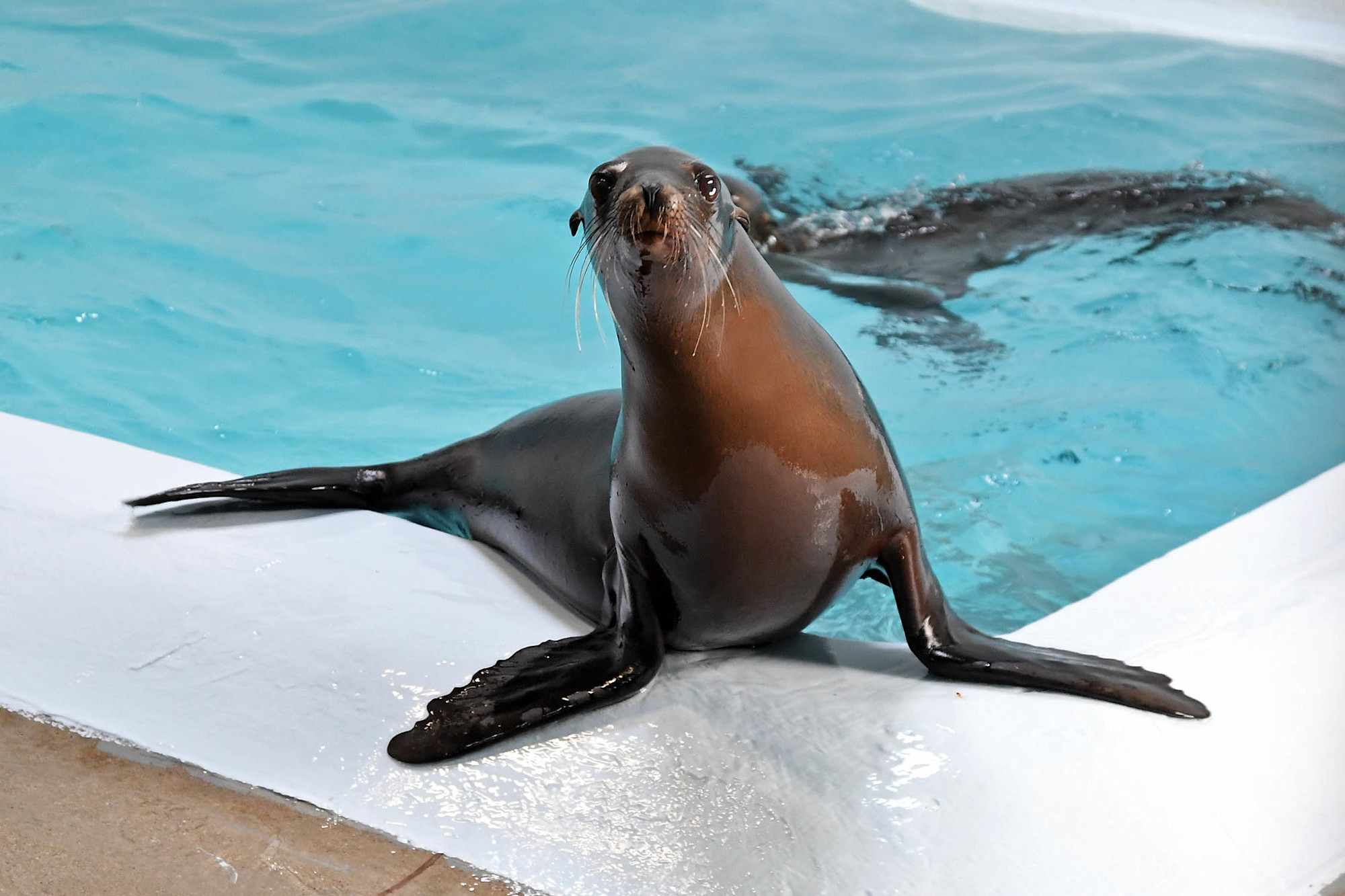
A California sea lion swims out from the water, its head up, showing its long whiskers.

Animal Rescue and the Illegal Wildlife Trade

The illegal wildlife trade is one of the greatest threats to animals worldwide. Species such as pangolins, reptiles, primates, and birds are trafficked at alarming rates, often with devastating survival outcomes.

Brookfield Zoo Chicago actively supports conservation and educates the public about the dangers of purchasing wild-caught animals.

One way you can help is to never buy wild-caught animals. By refusing to buy animals that are captured illegally, we can decrease the demand for the illegal pet trade.

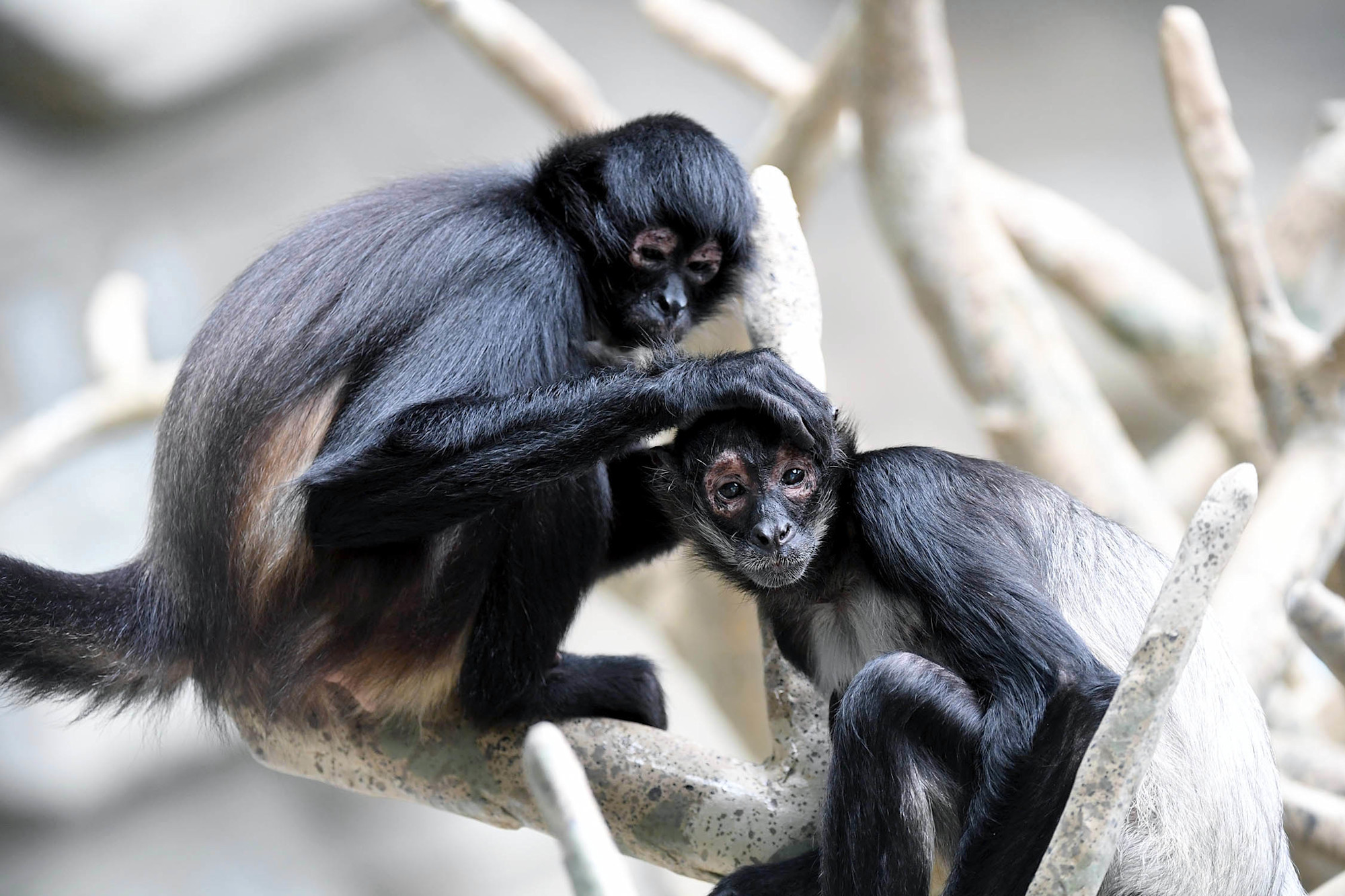
A pair of spider monkeys groom one another at Brookfield Zoo Chicago.

Meet Rescued Animals at Brookfield Zoo Chicago

Did you know that many of the animals at Brookfield Zoo Chicago are rescues? The Zoo is home to many rescued animals from across the United States, each with a unique story of survival.

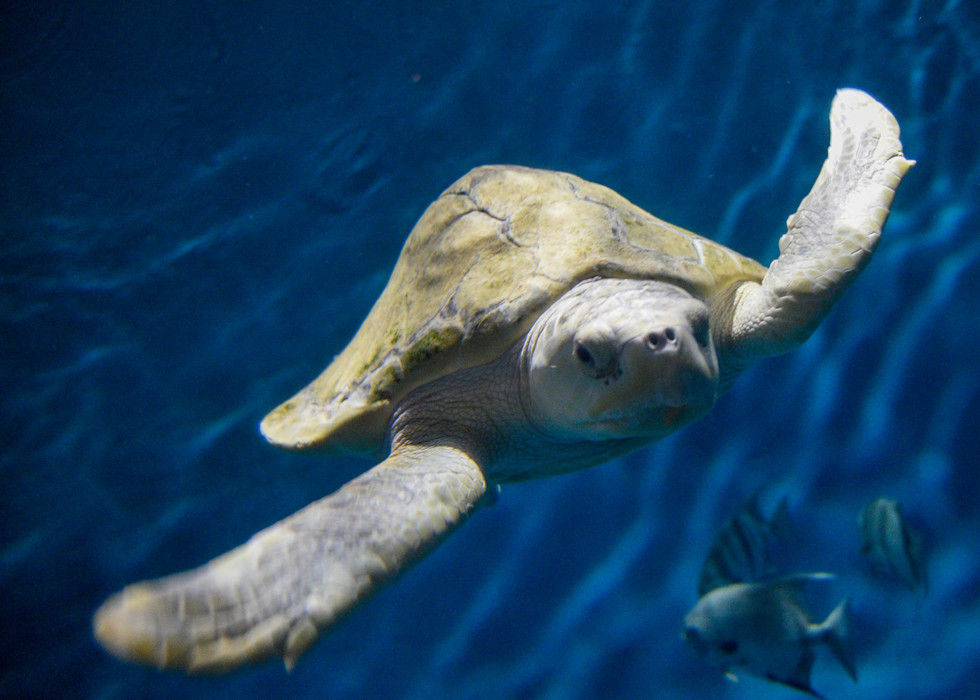
A Kemp’s ridley sea turtle swims through clear water, showing its grayish-green shell, pale underside, and paddle-like flippers.

Pistachio

Pistachio the Kemp’s Ridley sea turtle arrived at Brookfield Zoo Chicago in 2020 after being rescued and rehabilitated from a boating accident that damaged her shell and left her partially blind in one eye.

While she can’t return to the wild, she now serves as a powerful ambassador for her species to protect sea turtles and other marine wildlife for generations to come.

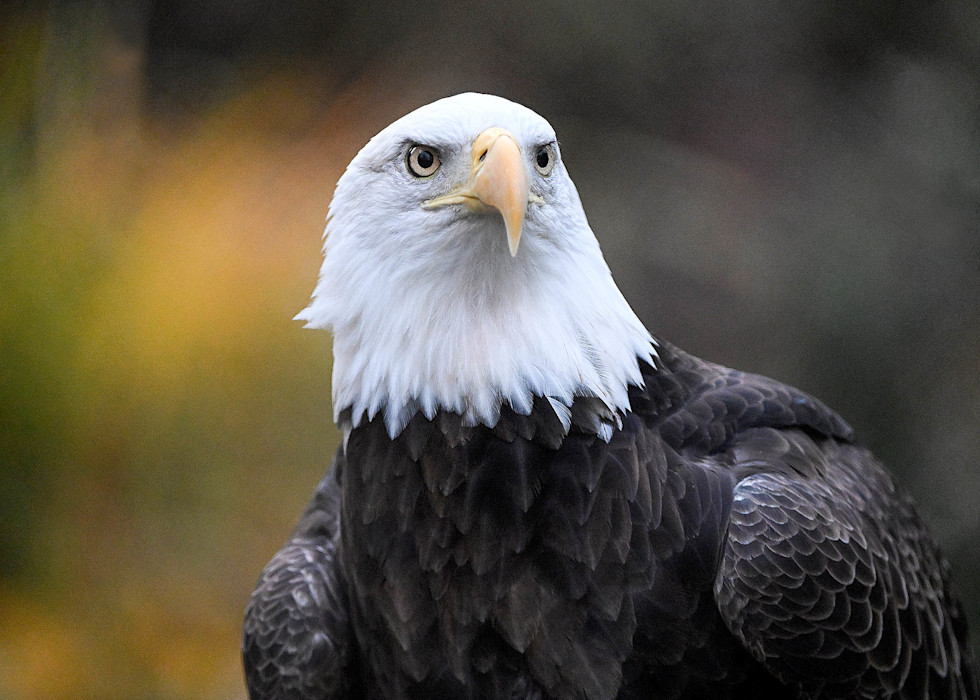
A bald eagle stares forward, its white head in stark contrast from its black feathers.

Zeus and Charlie

Charlie and Zeus were both born in the wild but, several years ago, they became injured. Charlie was found with wing injuries in 2010, and Zeus was found injured after a collision with a train in 2011.

Both birds survived, but neither could be released back into the wild after their injuries left them unable to fly. They have been living comfortably as roommates in Brookfield Zoo Chicago’s Great Bear Wilderness and receiving expert care ever since.

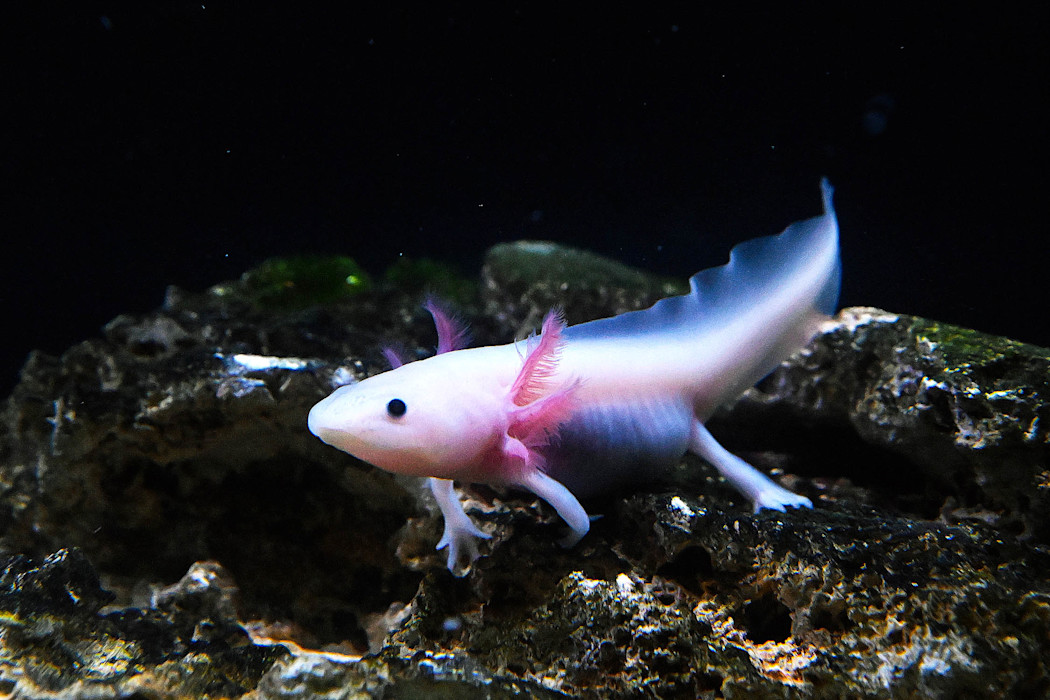
A pale pink axolotl with feathery external gills swims in clear water.

Sir Mix-o-Lotl

In 2025, Brookfield Zoo Chicago took in 20 rescued axolotls that were illegally imported at O’Hare International Airport and seized by U.S. Fish and Wildlife Service (USFWS) officers. These salamanders are critically endangered and needed professional care to survive.

The axolotls now receive top care by the animal care staff at Brookfield Zoo Chicago, and one of them – Sir Mix-o-Lotl – can be seen on habitat at The Living Coast!

A small Black-handed spider monkey perches in a tree showing its black arms, legs, and tail.

Spider Monkeys

Five black-handed spider monkeys – Frankee, Bucees, Chrissy, Janet, and Jack – were given a second chance after being confiscated from the illegal wildlife trade in 2023. Luckily, after 18 months of rehabilitation by dedicated care teams at San Diego Zoo and Houston Zoo, the monkeys made a remarkable recovery.

They now have a forever home at Brookfield Zoo Chicago and are now safe and thriving at Tropic World and Bramsen Tropical Forests!

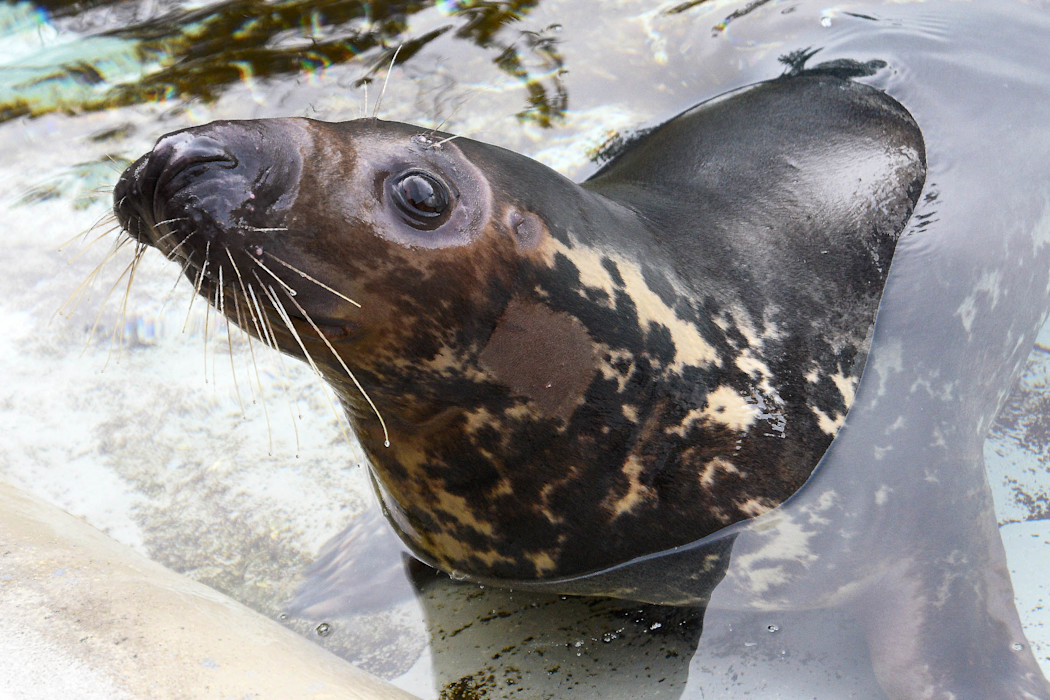
A grey seal resting half in the water, showing its mottled grey and brown coat, large dark eyes, and long whiskers.

Georgie and Kiinaq

As a pup, Georgie, a female grey seal was found blind and stranded on an island off the coast of Maine. Kiinaq, a male grey seal, was also found stranded alone on a beach when he was just a few months old. Because of this, the National Marine Fisheries Services decided neither of them could safely be released back to the wild.

Today, they are healthy and thriving at Brookfield Zoo Chicago, and are amazing ambassadors for their species.

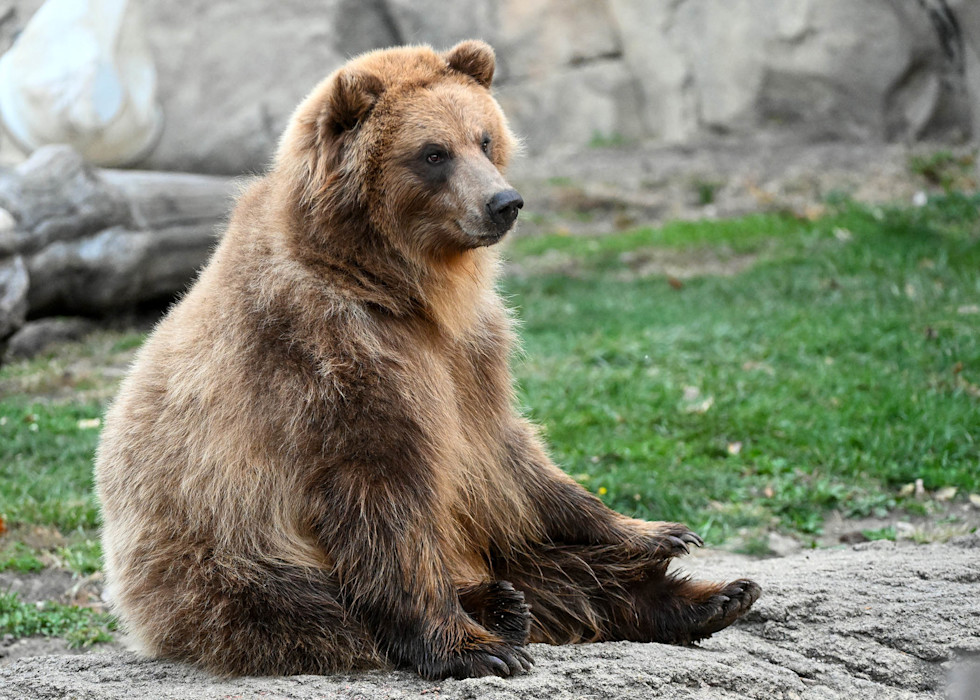
A female brown bear sits on the rocky ground.

Tim and Jess

Brown bears Tim and Jess were orphaned in southern Alaska in 2023. Thanks to efforts between the Alaska Zoo, Brookfield Zoo Chicago, and the Alaska Department of Fish and Game, the bears were safely retrieved from the wild and housed at the Alaska Zoo before brought to their forever home at Brookfield Zoo Chicago.

This dynamic brother-sister duo has been safe and sound at Great Bear Wilderness since November 2023.

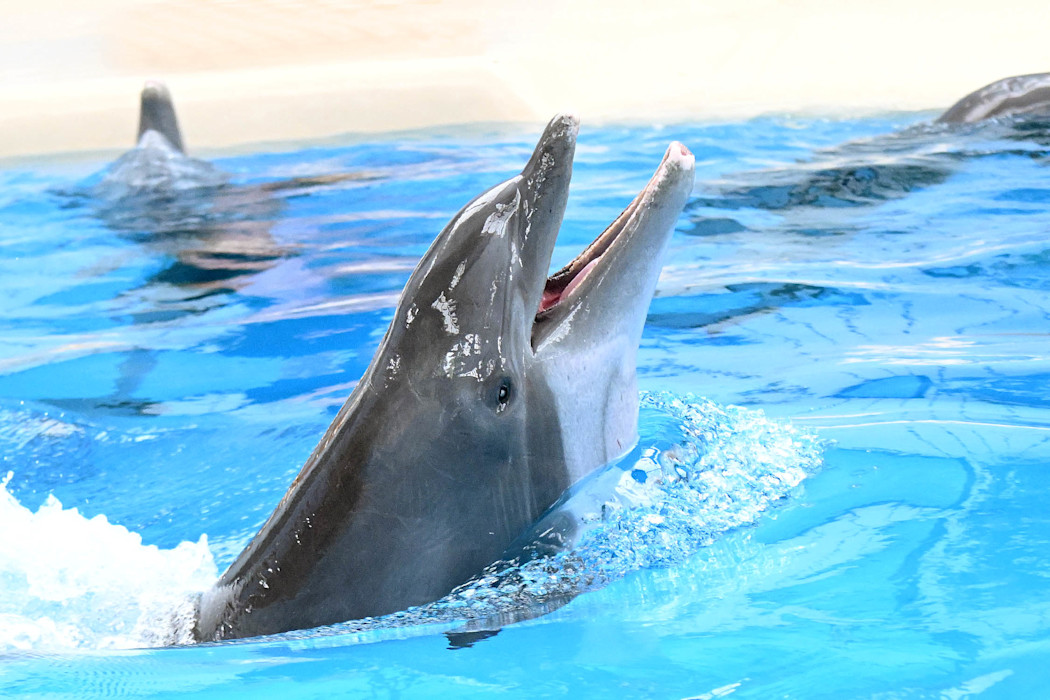
A bottlenose dolphin pokes her head out of the water.

Lucky

Lucky the bottlenose dolphin was rescued after being found entangled in fishing gear as a calf. He is now the oldest dolphin at the Zoo at 51 years old, and continues to receive top care. In 2021, Lucky was diagnosed with squamous cell carcinoma—a cancer that has been seen in dolphins in the wild and under human care.

Thanks to the care of Brookfield Zoo Chicago’s devoted vet team and animal care team, he is doing well and continues to receive treatments on an as-needed basis.

How You Can Help Animal Rescue

Everyone has a role to play in protecting wildlife:

  • Never purchase wild-caught or illegally traded animals

  • Report injured or stranded wildlife to local authorities

  • Support accredited rescue organizations and conservation programs

  • Learn and share responsible wildlife practices

  • Visit rescued animals responsibly to learn their stories

Protecting Wildlife for Future Generations

Animal rescue is about more than saving individual lives — it’s about protecting entire species and ecosystems. Through collaboration, science, and compassion, Brookfield Zoo Chicago remains committed to giving rescued animals a second chance and inspiring conservation action across the United States.

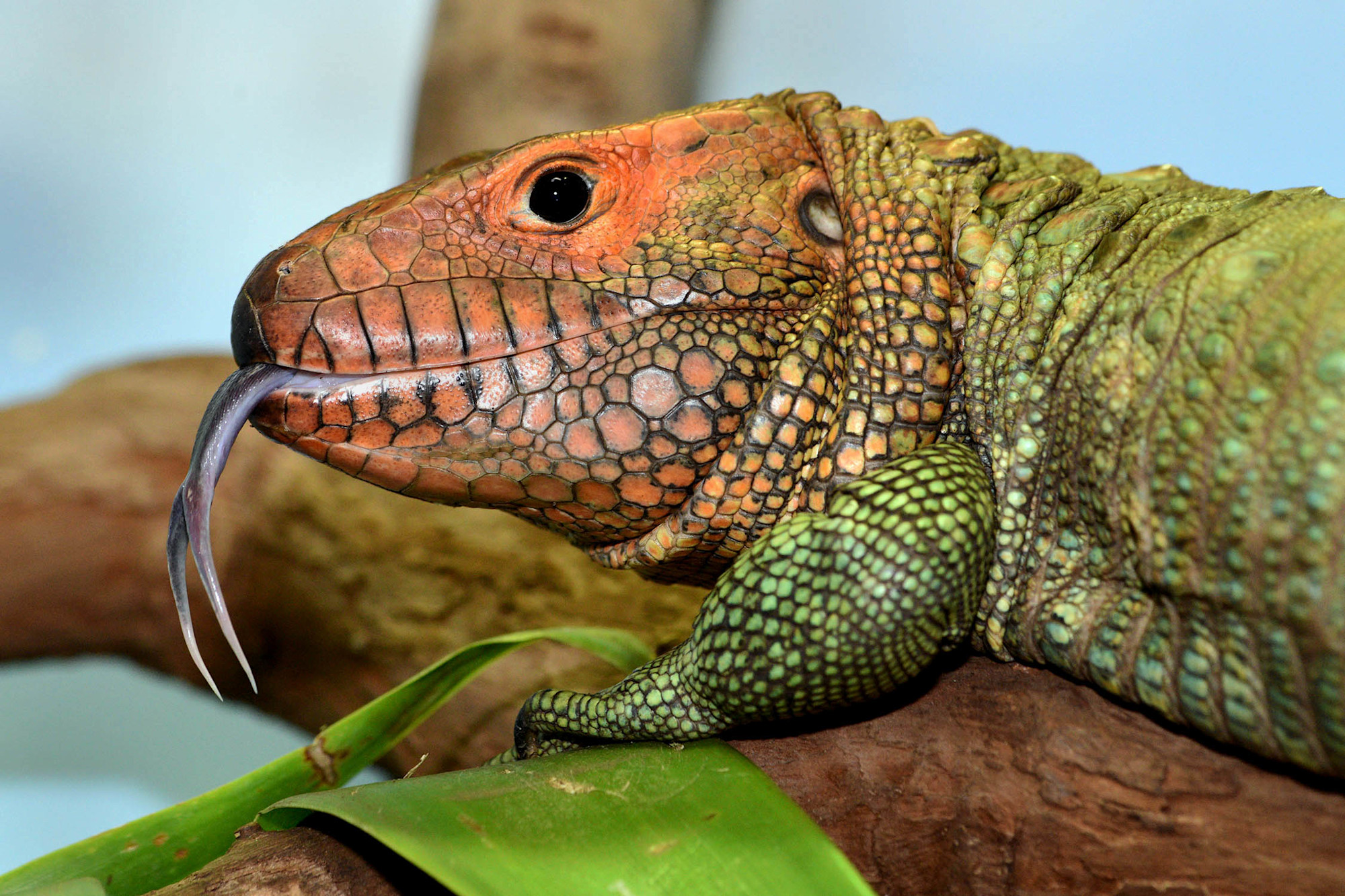
A Caiman lizard rests on a branch, it's orange face in contrast to its green body.