Veterinary Science & Innovation

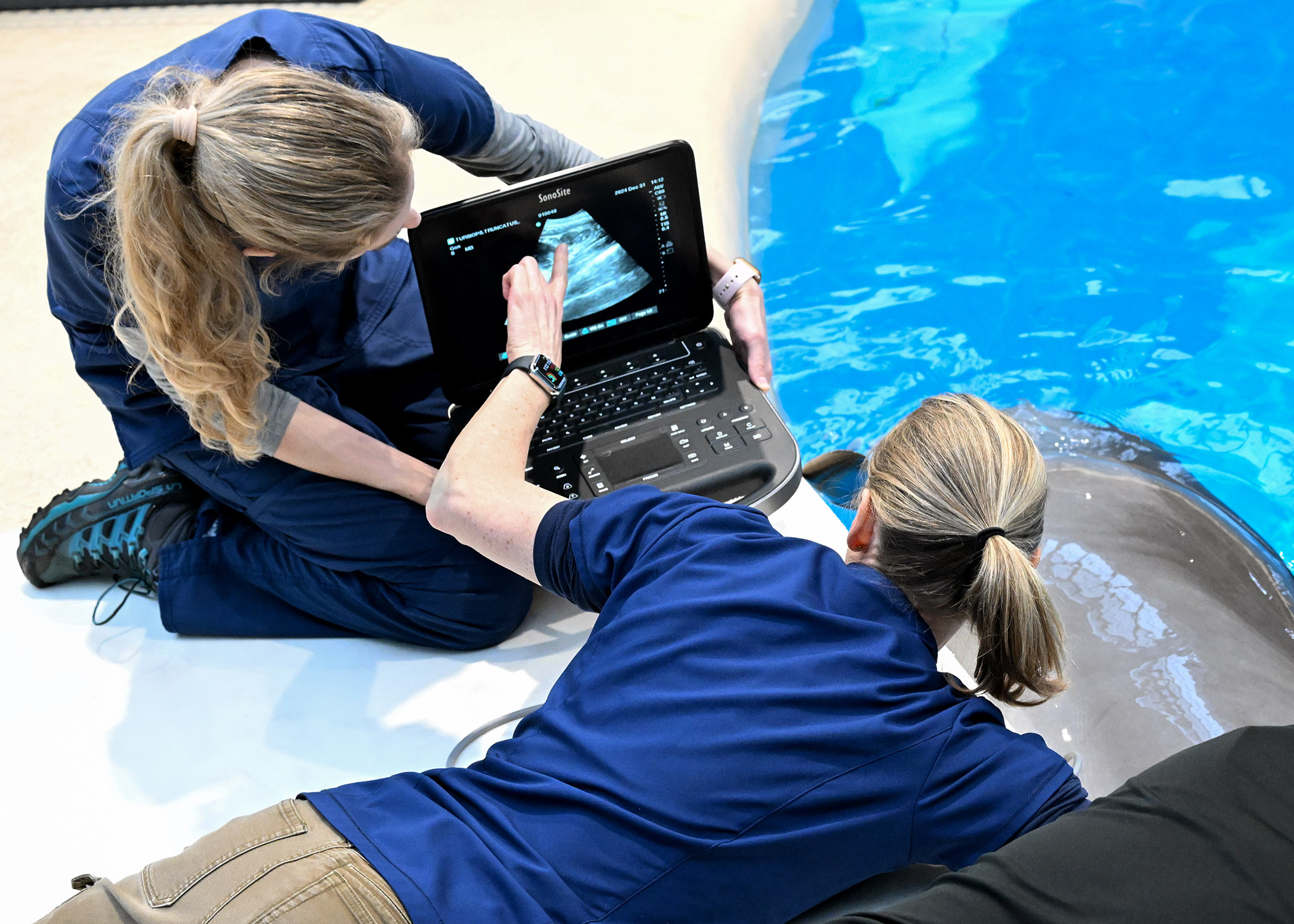
A veterinarian points at an ultrasound of a bottlenose dolphin.

Setting the Standards in Animal Care

Brookfield Zoo Chicago is home to a dedicated team of veterinary professionals who work every day to protect the health and well-being of animals from around the world.

Our veterinary team provides expert medical and surgical care when animals need treatment. Even more importantly, they focus on preventing health problems before they start through a strong, science-based preventive care program.

A veterinary technician weighs a Mexican wolf pup on a scale.

A Proactive Approach to Animal Health

Veterinary care begins with prevention. As part of the Zoo’s preventive medicine program, animals receive routine physical exams, testing, and close monitoring — similar to an annual check-up with a doctor. These evaluations take place at the Zoo’s state-of-the-art Animal Hospital and may include vaccinations and immunizations, dental assessments, and advanced diagnostic imaging such as ultrasound, X-rays, and CT (CAT) scans. By detecting small changes in health early, veterinarians can reduce the need for emergency treatment and support longer, healthier lives for animals.

The Animal Hospital also includes a full laboratory for analyzing blood and other samples, advanced anesthesia monitoring equipment, and an intensive care unit for animals that require specialized care.

Individualized Animal Health Care

Animals at Brookfield Zoo Chicago often live far beyond the average life expectancy for their species because of the high level of care they receive. As animals age, some may develop health conditions related to advanced age. To support these animals, the Zoo’s veterinary team develops individualized care plans tailored to each animal’s specific needs.

Veterinarians work closely with animal care specialists and nutritionists to create a holistic approach to health. These plans can include mixing medications into food, developing specialized diets and supplements, and using positive reinforcement training so animals feel comfortable participating in their own care.

Some of the incredible technology used here to support animal health includes:

  • Ultrasounds and CT scanners to detect internal issues

  • A high-tech laboratory where technicians analyze blood and other samples

  • Advanced equipment for monitoring anesthesia during surgery

  • An intensive care unit (ICU) for animals that remain hospitalized for extra care.

Research and Professional Collaboration

Brookfield Zoo Chicago's veterinarians collaborate with colleagues at other zoos around the world and are actively involved in professional organizations to share knowledge and advance veterinary care for zoo animals and wildlife. Through a collaborative pathology program with the University of Illinois College of Veterinary Medicine, veterinarians analyze health data when animals pass away to help monitor disease trends, including diseases such as West Nile virus that affect wildlife and people.

Education and Veterinary Training Programs

Veterinary Services staff are actively engaged in training the next generation of zoo veterinarians and veterinary technicians. Educational programs include partnerships with the University of Illinois College of Veterinary Medicine, the Illinois Zoological and Wildlife Health Management Residency, and the Illinois Zoological and Aquatic Animal Residency Program — an internationally recognized collaboration with the John G. Shedd Aquarium.

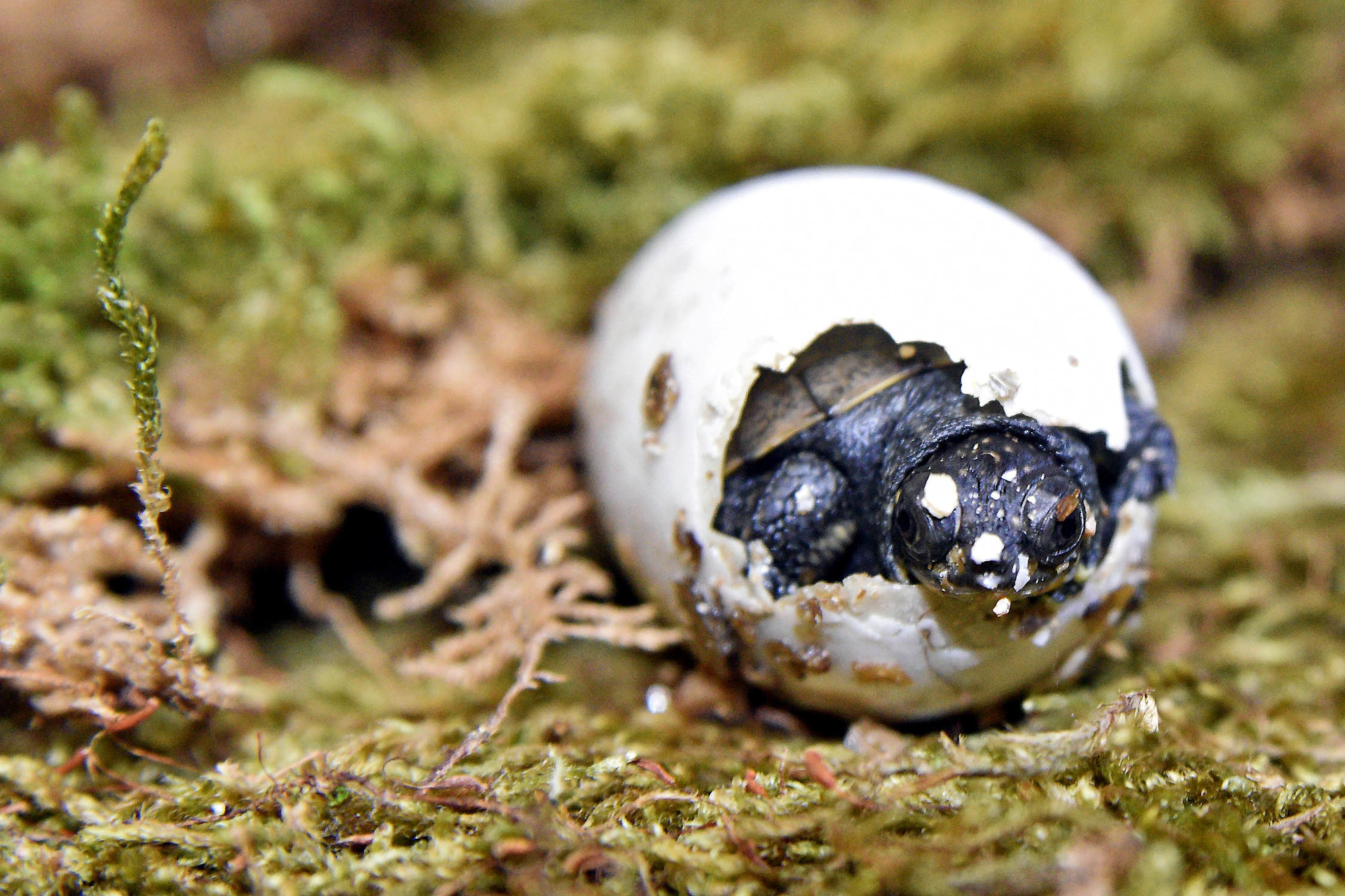
A Blanding's turtle hatchling looks out from its shell.

Veterinary Innovation Beyond the Zoo

Brookfield Zoo Chicago’s veterinary expertise extends beyond the Zoo’s grounds. Veterinarians support conservation programs around the world, assisting wildlife such as bottlenose dolphins in Florida and penguins in Peru. The department also plays an important role in the care and conservation of free-ranging wildlife in Cook County.

A sunset over the beach of Punta San Juan, where penguins are walking.

Care in Action

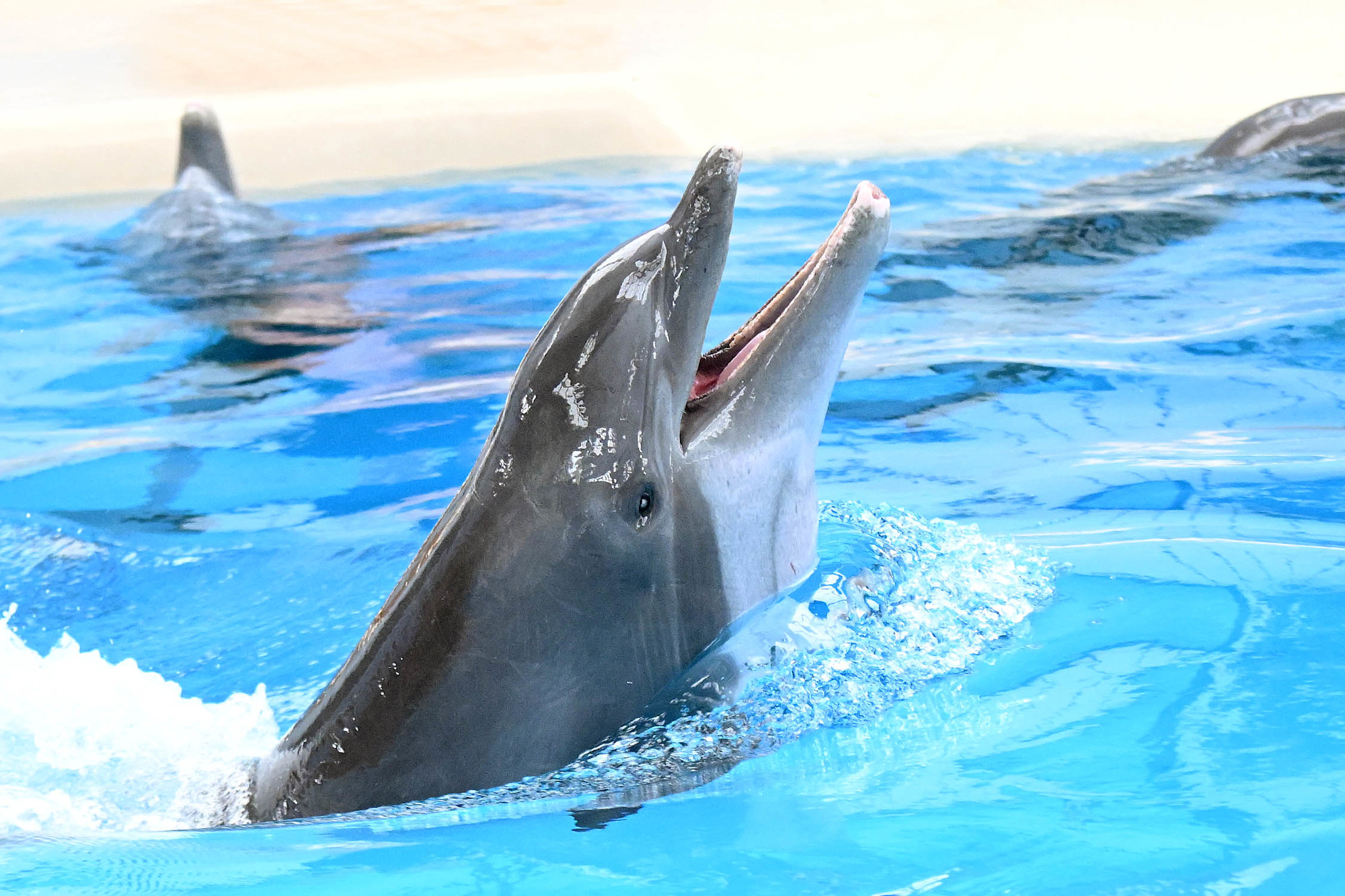
In 2021, while at a facility in Florida, Lucky the bottlenose dolphin was diagnosed with squamous cell carcinoma, a type of cancer that can affect the skin and tissues of the mouth and throat. Because Brookfield Zoo Chicago is one of only a few zoos in North America with a CT scanner on site, Lucky was transported to Chicago for advanced diagnostic care.

The Zoo’s veterinary team performed a full-body CT scan to assess his condition and worked with animal care specialists to begin treatment. Lucky received cryotherapy, a treatment that uses controlled cold temperatures to freeze and destroy abnormal tissue. This approach allowed veterinarians to treat the cancer while minimizing discomfort.

Today, Lucky continues to receive individualized care from his veterinary and animal care teams, who regularly monitor his health and well-being. At 51 years old, Lucky is a beacon of hope and inspiration for our animal care specialists and guests alike. He has remained playful and active throughout his rehabilitation and cancer treatment — a testament to the power of veterinary care.
A bottlenose dolphin pokes her head out of the water.