Overview
Meet Africa's Masters of the Hunt
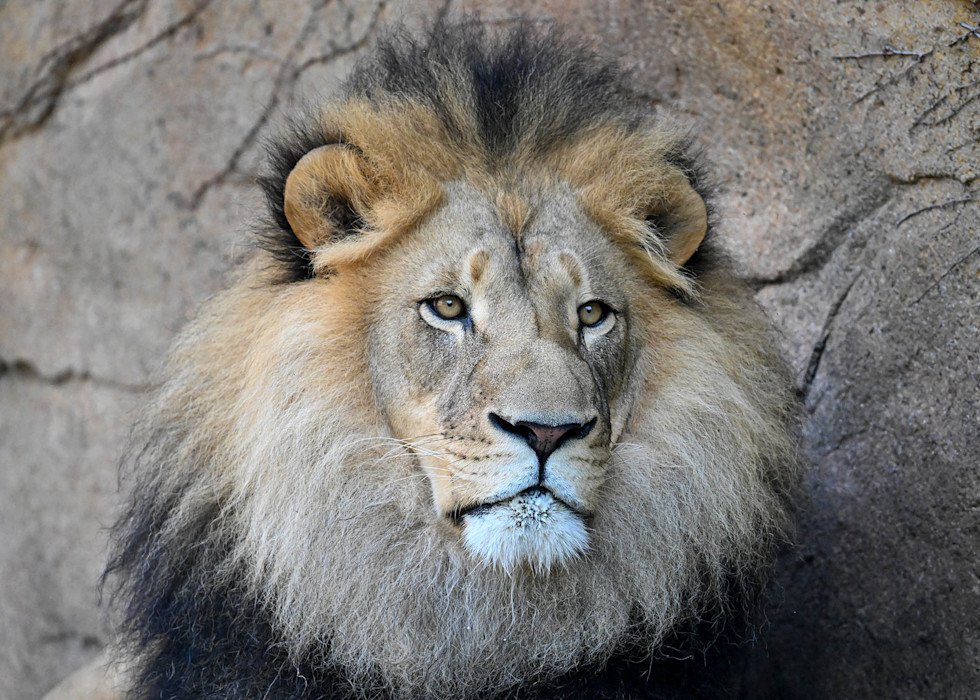
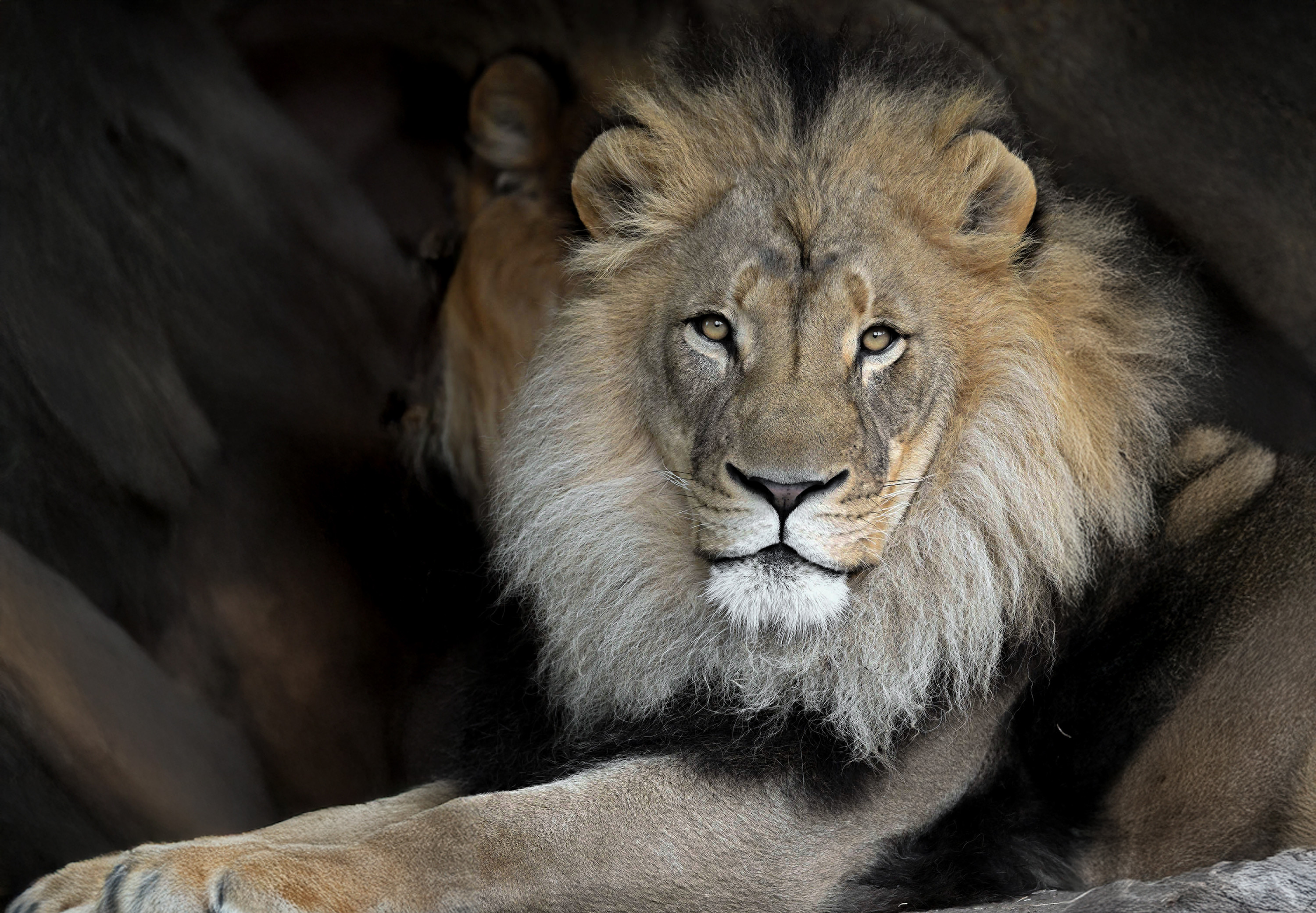
African lions are among the world’s largest big cats, with females ranging from 260 to 400 pounds and males ranging from 370 to 550 pounds. Native to the Southern Sahara to South Africa, African lions make their homes among grassy plains, savannahs, open woodlands, and scrub country habitats. African lions reside in groups called “prides,” and cubs in an African lion pride are raised communally by all adult females. Lions spend 18 to 20 hours sleeping each day, and their roars can be heard up to six miles away.
Characteristics
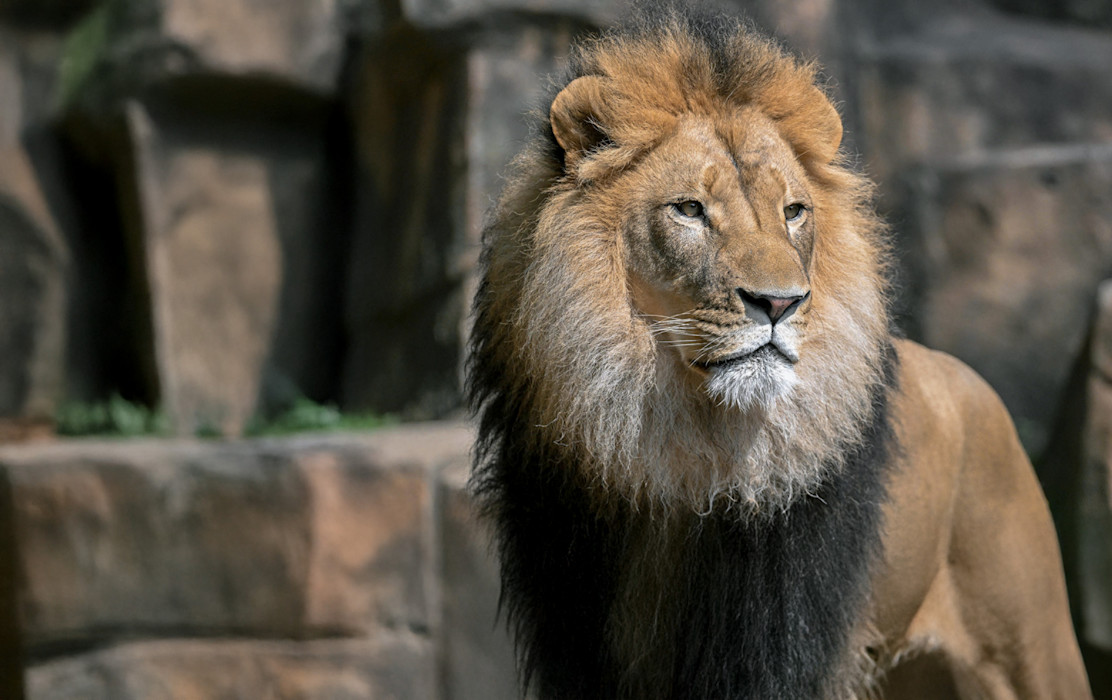
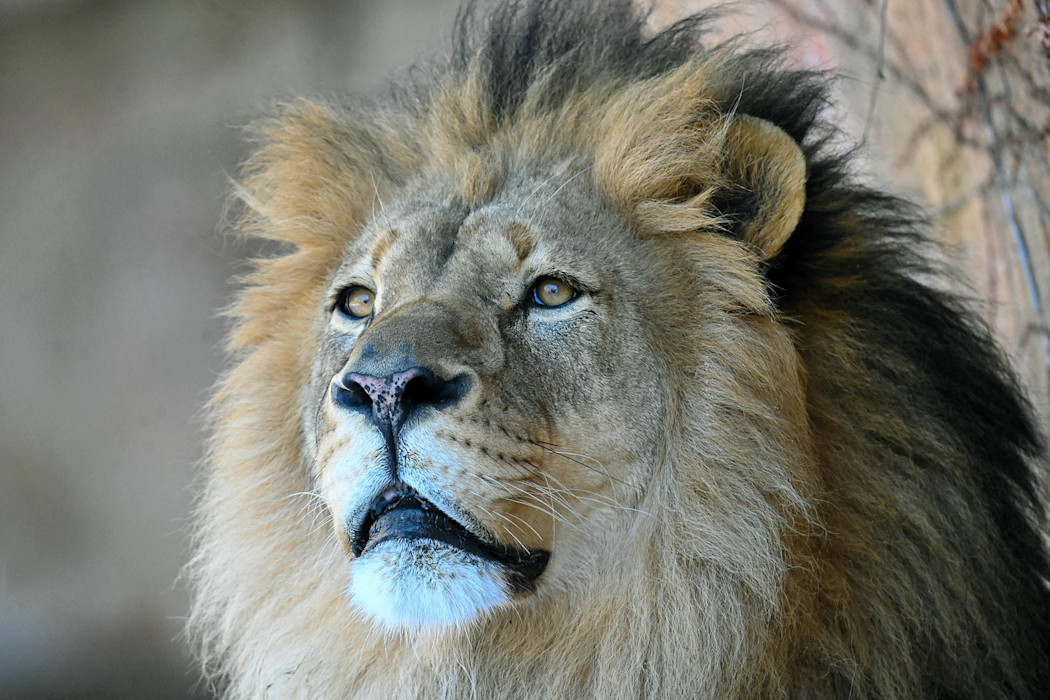
African lions have light-colored fur, with white on the belly and the inner side of the legs. The back of their ears and their tail tip are black. Their manes can be tawny to reddish-brown to black. Adult males are larger than females and usually have a dark mane, which offers neck protection during fights. Both sexes have a tuft of fur on the tip of the tail.
African lions have well-developed senses of sight, smell, and hearing. The placement of their eyes allows good wide-angle vision. Their large nostrils and complex nasal passages allow them to locate prey or threats by scent.
Behavior
Lions are mostly active at dawn, dusk, and night. They rest for about 20 to 21 hours each day. Lions are the only truly social cats, living in prides of 2 - 4 males, 5 - 10 females, and their young. Adult males work together to defend their territory. Within about three years, these males are replaced by younger, stronger males.
African lions make at least nine sounds, including grunts and roars. They mark their territory with scent, urine, feces, and rubbings from glands on their head. Lions walk on their toes and can run up to 30–37 miles per hour for short bursts. They aren’t good climbers but can leap into trees.
Prides are built around related females and their young. Daughters may stay with the pride, but young males leave when they mature. Male coalitions or single males may later join other prides. Within the pride, females have a social hierarchy, and one may lead the group even with a male present. Females do most of the hunting, though the resident male usually eats first.
Diet
African lions hunt cooperatively with members of the pride. They fan out to close-in on a victim from different directions. With this group approach, the chance for success is doubled than that of a single lion hunting. Even so, most hunting attempts are unsuccessful. It is estimated that about 10 to 20 large animals are killed per lion each year. A chase usually lasts 150 to 330 feet before the lion gives up.
Their prey includes antelopes, gazelle, warthogs, zebra, wildebeest and other mammals. When prey is scarce, lions will consume almost any animal and scavenge off the kills of other predators.
Threats
African lions are listed as "vulnerable" on the IUCN Red List. Major threats to lions include habitat loss, prey depletion, and killing by humans to protect life and livestock.
How We're Helping
Over the last almost 30 years, lion populations in Africa have been cut nearly in half, with 22,000 - 25,000 individuals remaining. Although this decline went largely unnoticed for many years, zoos have recently worked together to make African lion conservation a top priority.
The African lion is part of the Species Survival Plan at Brookfield Zoo Chicago. Learn more this cooperative population management and conservation program here.
Brookfield Zoo Chicago participates in the AZA SAFE African Lion Program to help identify survival threats, support recovery, and offer you opportunities to learn more about at-risk species.
Meet the Pride
Brutus
Titus