Overview
An Up-close Look at the Andean Condor
Native to the mountains, steep cliffs, grasslands and coastal beaches of Chile, Argentina, and the Andes range, the Andean condors are the largest flying birds in the Americas. Their wingspan can reach 10 feet, and they can reach just over three feet tall in height. Males typically weigh between 24 and 32 pounds, while females reach 17 to 24 pounds in weight.
Characteristics
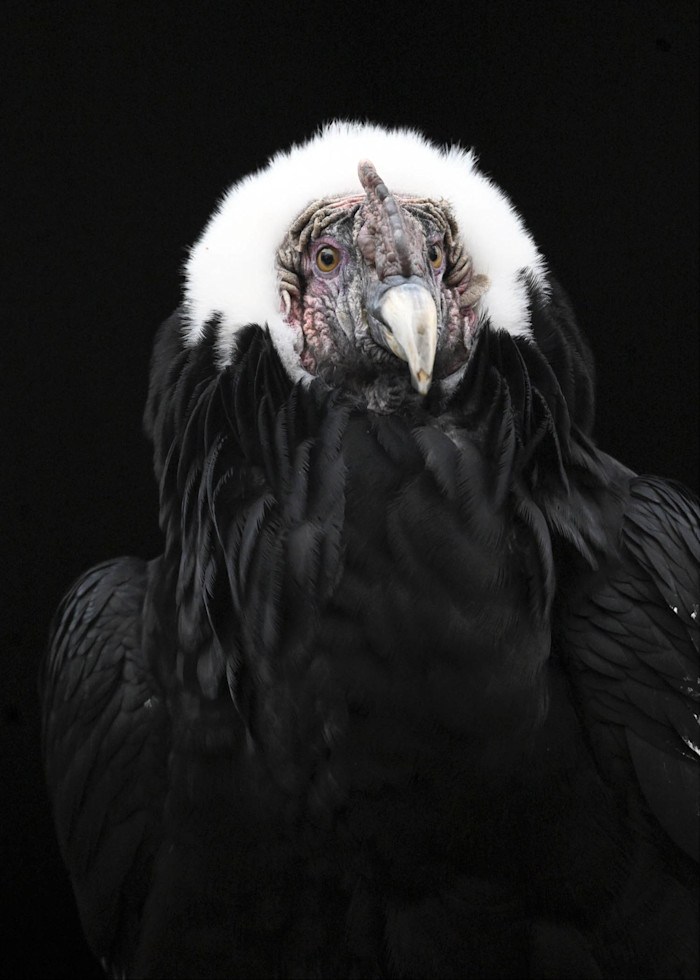
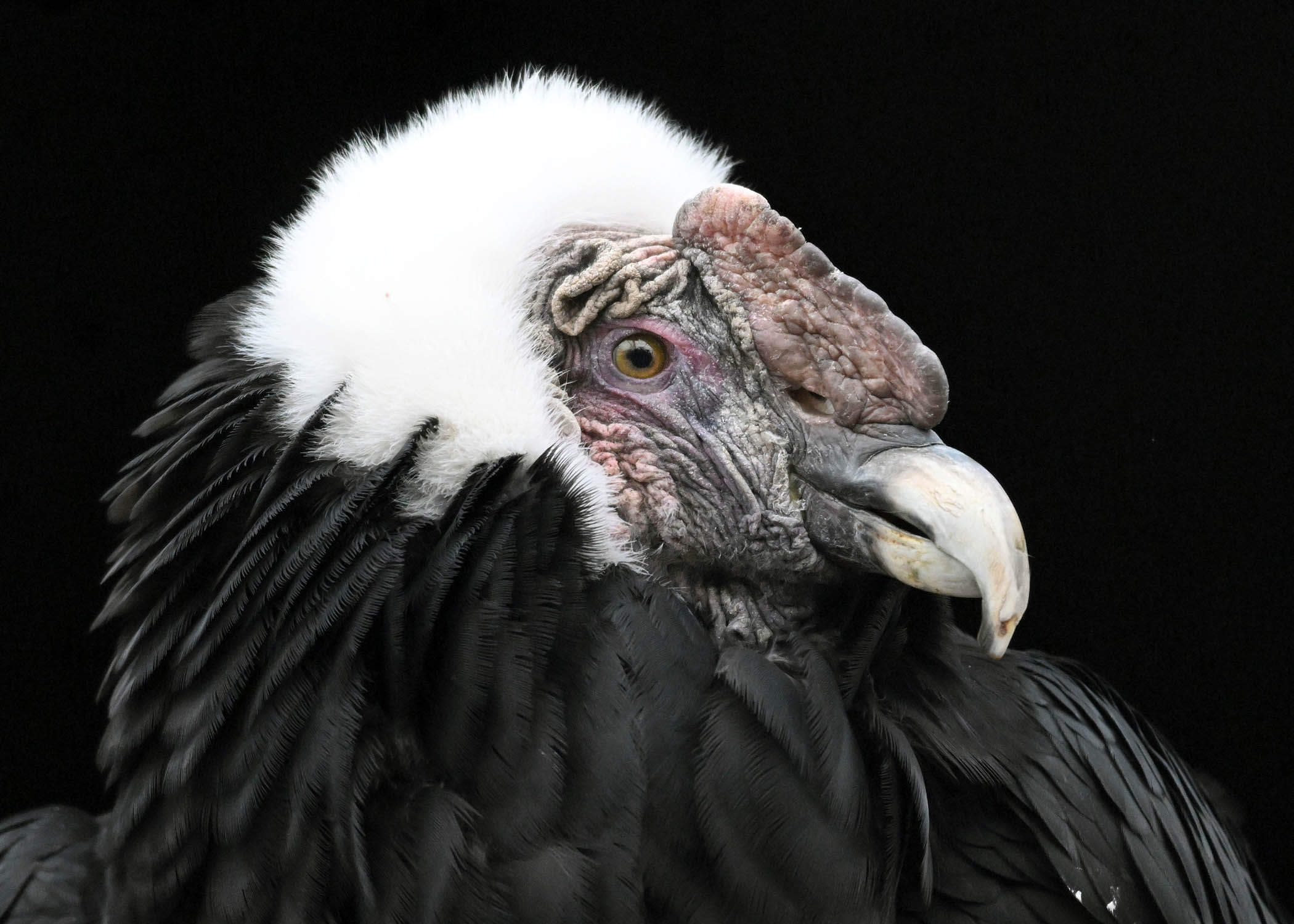
Andean condors are large scavenging birds. Males are slightly larger than females, have brown eyes and a caruncle (a fleshy comb) on top of the head. Females have red eyes and no caruncle. The neck, feet, and legs of Andean condors are unfeathered. Adult plumage is black with grayish-white upper wing patches and a downy white ruff around the base of the neck.
Andean condors have a strong, sharp, hooked bill. Their feet are used for movement and holding prey down while ripping it apart with the beak, rather than strongly grasping onto things. They also have excellent eyesight, which they can use to spot potential prey from great heights.
Behavior
Andean condors can fly and soar over very long distances. They use thermals (warm air rising from the Earth's surface) to soar. They are active during the day and not migratory. Year-round, they live in flocks with a strict social hierarchy; the largest males are more dominant. They are social when foraging, feeding, and roosting; up to 40 individuals have been seen together in a single flock. They are known to be highly inquisitive.
Diet
Andean condors are scavengers. They feed mainly on carrion (dead animal flesh), because they cannot hunt down and capture live prey. The carrion they consume includes larger mammals, marine mammals, and sea lions. The head and neck of these birds are unfeathered to prevent them from getting matted and infested with bacteria during their feeding.
Threats
Andean condors are listed as "near threatened" on the IUCN Red List.
Due to poaching and human encroachment, the population has been reduced across the entire range, especially in the northern areas. However, due to re-introductions in Colombia, Argentina, and Bolivia, populations are increasing
How We're Helping
The Andean condor is part of the Species Survival Plan at Brookfield Zoo Chicago. Learn more this cooperative population management and conservation program here.