Overview
The Tall Herds of the Savannahs
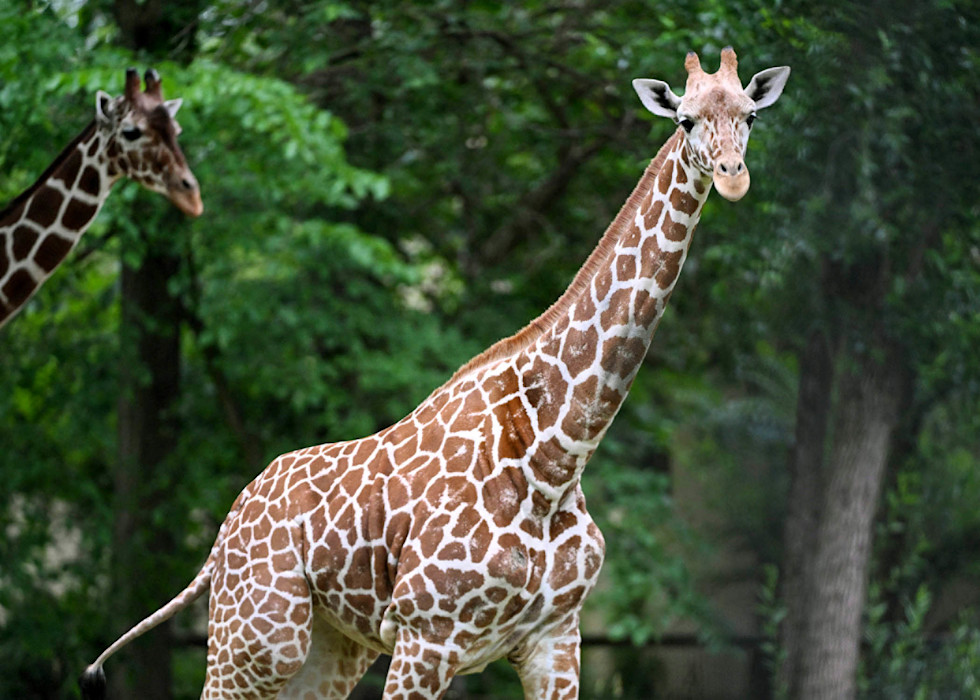
Reticulated giraffes are native to northeastern Kenya, southern Ethiopia, and Somalia. They are known for their striking coat patterns of large, brown spots, outlined by bright white lines. These giraffes feed mainly on leaves, flowers, and fruits from tall trees. They live in savannas and open woodlands, often in loose herds. Their long necks and legs help them reach high vegetation and watch for predators. Habitat loss and poaching have caused them to be listed as "vulnerable" on the IUCN Red List.
Characteristics
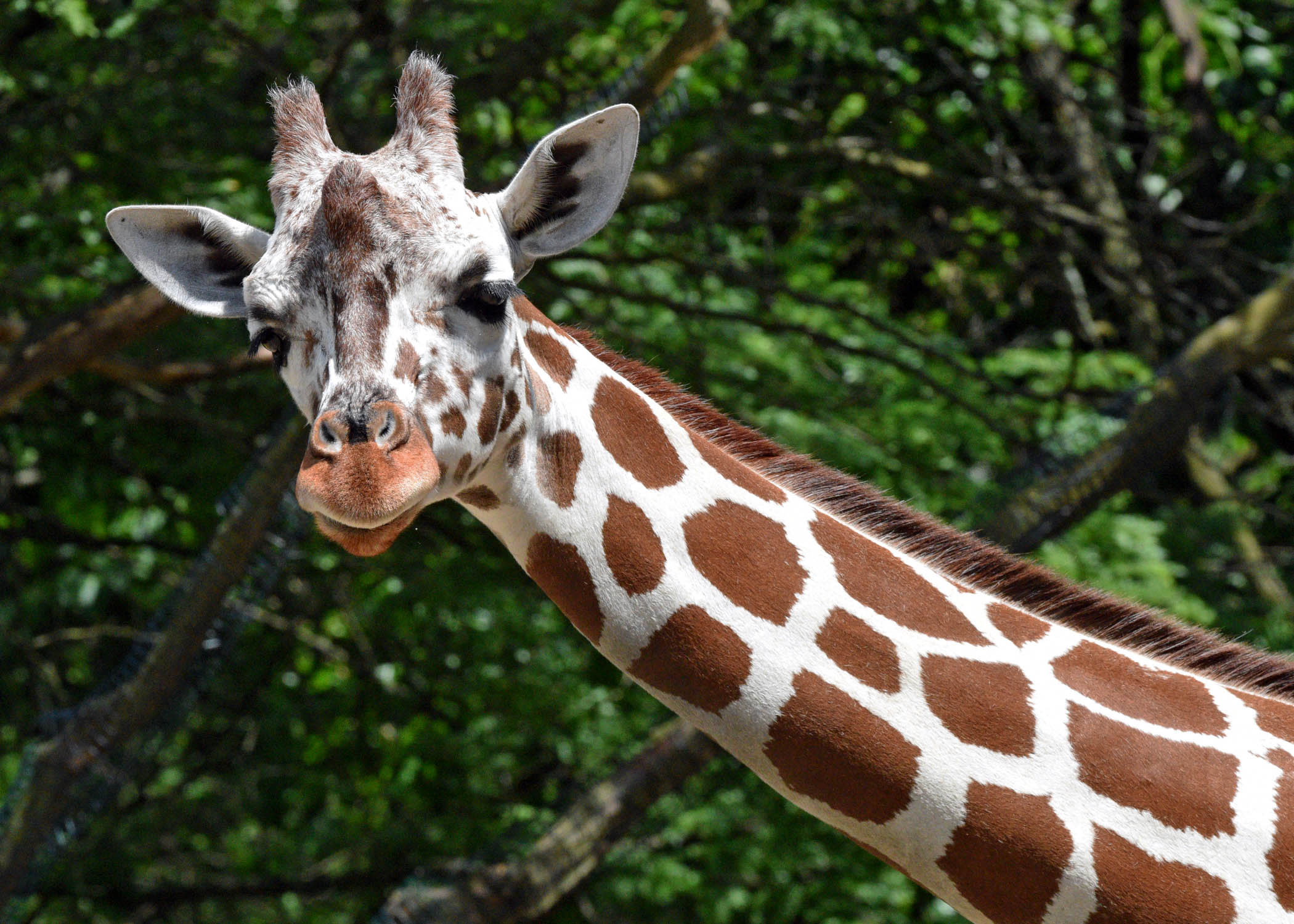
A reticulated giraffe’s coat is white to light tan with chestnut to black spots that vary in size and shape. Each giraffe’s pattern is unique. The light lines between the spots form a net-like design — hence the name reticulated. Their coat helps them blend into their surroundings and regulate body temperature.
Giraffes have long necks that require special blood vessels and valves to manage blood pressure. Their long, gray tongues and flexible lips help them grasp leaves. Both males and females have short hornlike structures, called ossicones, made of bone and covered with skin and hair.
Reticulated giraffes show clear differences between males and females. Males are taller, have more pronounced forehead bumps, and may develop extra calcium deposits on their skulls as they age.
Behavior
Giraffes are active during the day, especially at dawn and dusk. They spend about half their time eating. They live in loose, nonterritorial herds of two to 40 giraffes. Group members come and go freely, forming a “fission-fusion” society with no lasting bonds.
Males compete for dominance through ritualized fights. When showing dominance, giraffes stand tall with raised chins and stiff legs. Fighting involves swinging their necks and hitting each other with their heads, a behavior called “necking.”
Giraffes are mostly quiet but can make sounds like snorts, coughs, bleats, and bellows. They walk on four legs and move both legs on one side of the body at the same time. They can walk slowly or gallop, reaching speeds up to 35 mph. Though rare, they can wade or even try to swim.
Diet
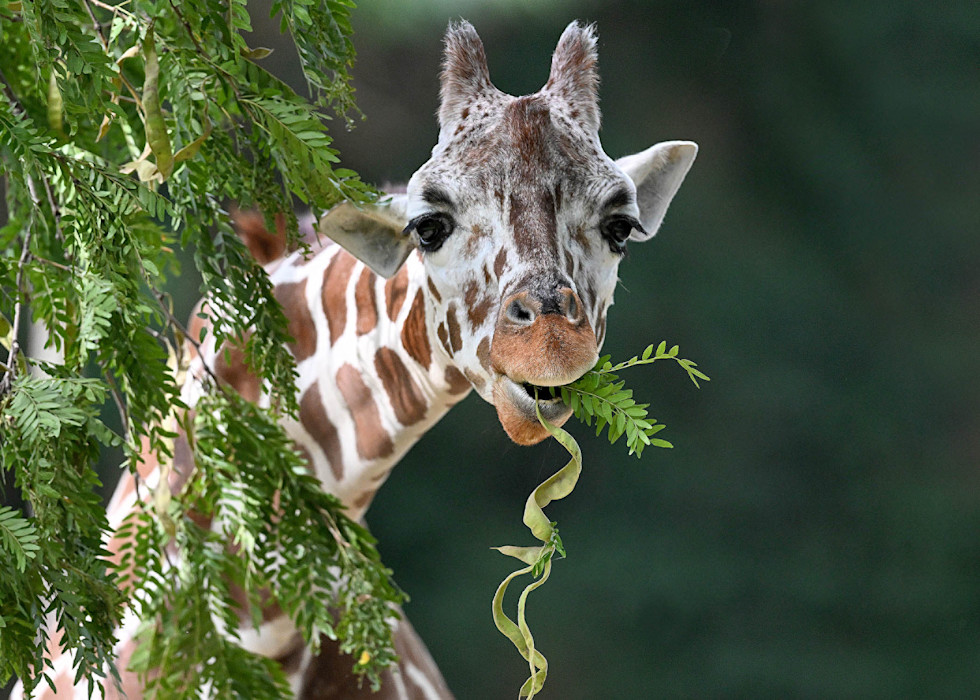
Giraffes are plant eaters that mostly feed on acacia trees. Their long legs and necks let them eat leaves that most other animals can’t reach. They use their long, grasping tongues to pull leaves off branches. A giraffe can eat up to 75 pounds of leaves and twigs a day, but can live on as little as 15 pounds. In the wet season, food is plentiful and giraffes spread out. In the dry season, they gather around evergreen trees and bushes.
Giraffes are cud chewers with four-chambered stomachs. They swallow their food, then bring it back up to chew again several times before fully digesting it. They don’t need as much food as some other herbivores because the leaves they eat are rich in nutrients. To drink, giraffes must spread their legs wide. They can also get water from dew on leaves and survive long periods without much water.
Threats
Reticulated giraffes are listed as "endangered" on the IUCN Red List. The levels of exploitation and decline in their area of occupancy have not ceased and may not be reversible throughout the species' range.
How We're Helping
The reticulated giraffe is part of the Species Survival Plan at Brookfield Zoo Chicago. Learn more about this cooperative population management and conservation program here.
AZA SAFE: Saving Animals From Extinction brings together the collective expertise of AZA-accredited zoos and aquariums and leverages their expansive audiences to save species.
Brookfield Zoo Chicago participates in the AZA SAFE reticulated giraffe program to help identify survival threats, support recovery, and offer you opportunities to learn more about at-risk species.
Meet the Herd
Jasiri
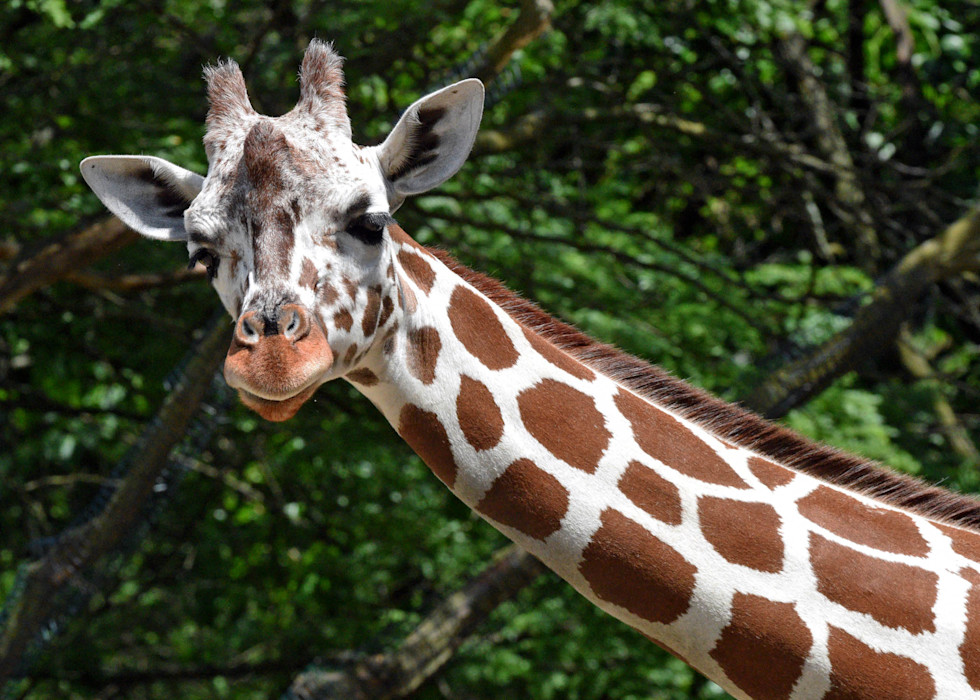
Potoka
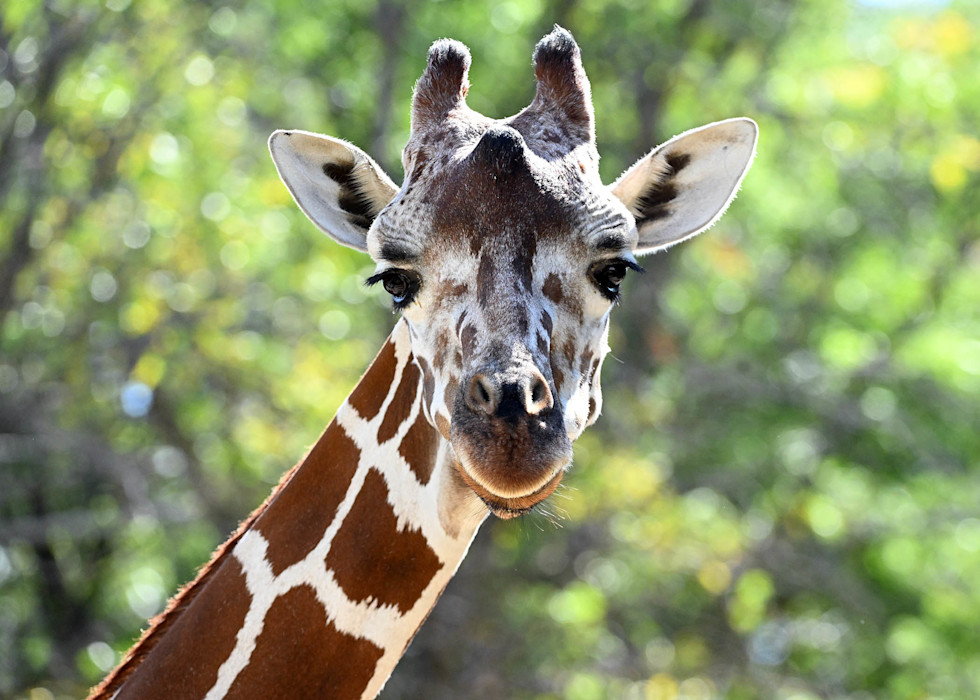
Ato
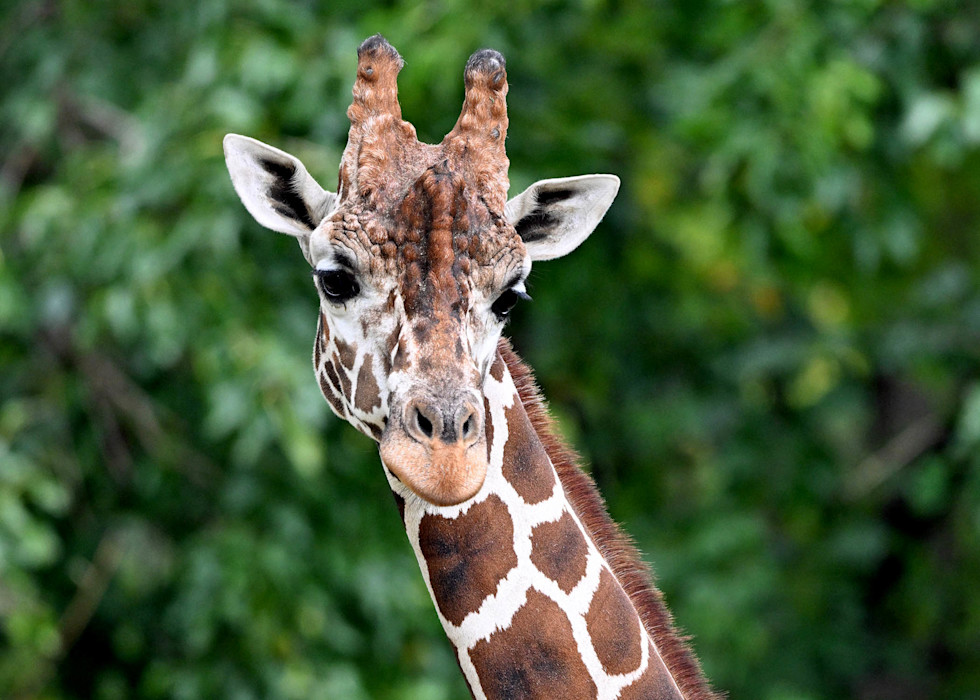
Asha