Overview
Gentle Giants of the Rainforest
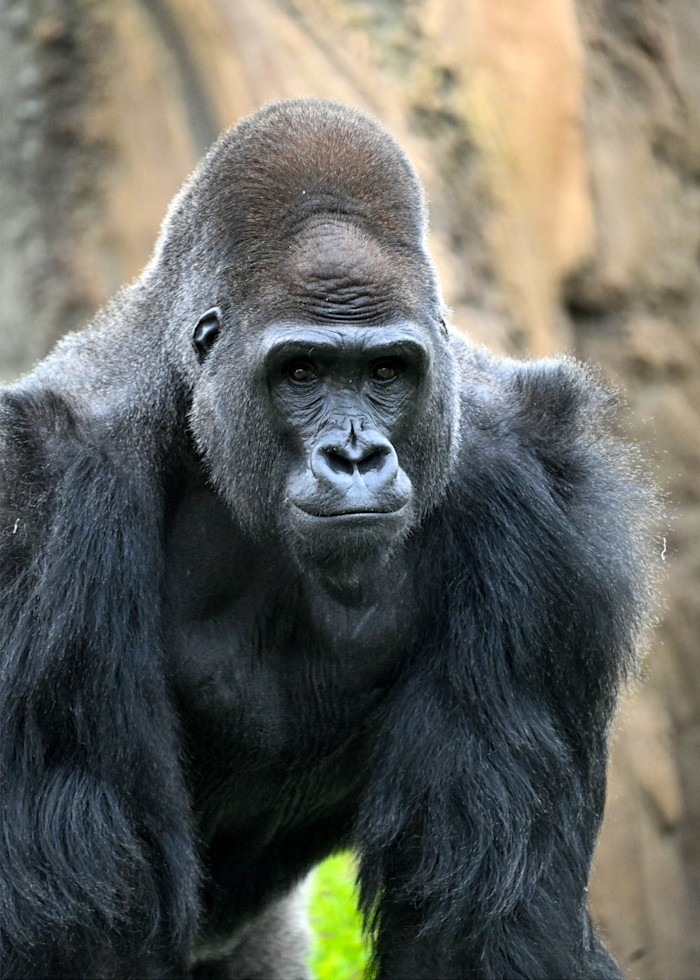
Western lowland gorillas live in the rainforests of Central Africa. They live in family groups led by a silverback male or in bachelor troops and spend much of their time eating fruit, leaves, and plants. These gorillas help their forests grow by spreading seeds as they move. They are endangered because of poaching, habitat loss, and disease.
Characteristics
Gorillas have black to brown-gray hair that turns gray as they age. Male gorillas are much larger than females, weighting approximately twice as much. As they grow older, males get a broad silvery-white saddle on their back. This is where the term “silverback” comes from.
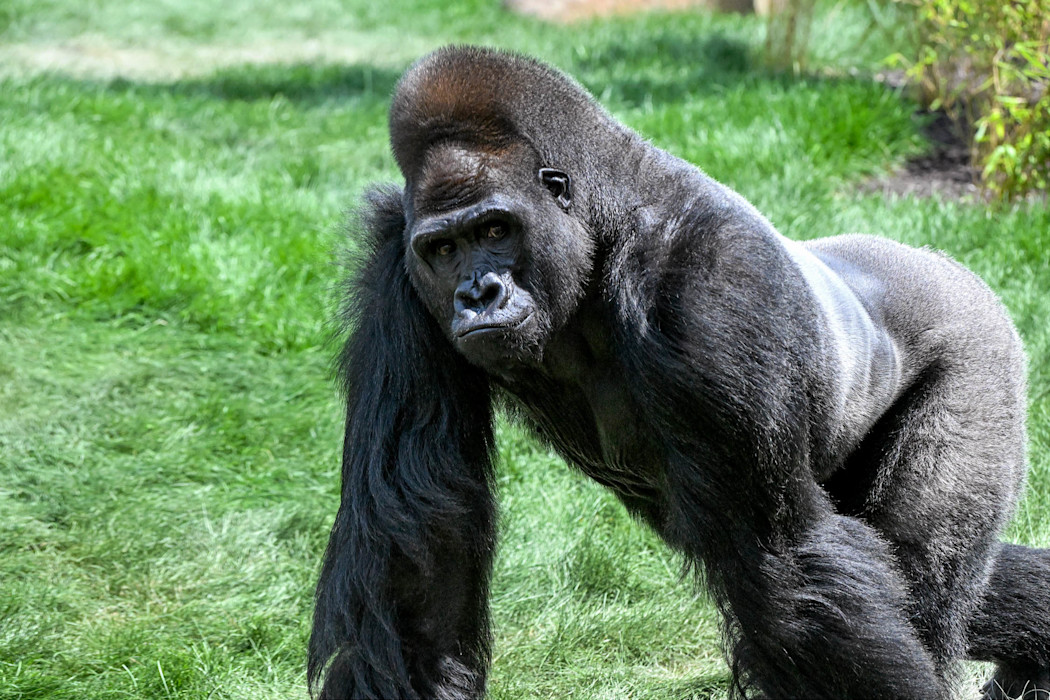
Gorillas have large, muscular bodies and adult males are particularly massive in the chest and shoulders. Gorillas are well-adapted for ground dwelling. Gorillas’ arms are longer than their legs, a feature that enables them to walk comfortably on all fours. They have opposable thumbs and toes that allow them to grasp objects such as tree branches. Gorillas have prominent brow ridges and small ears. Their faces, feet, upper chest, and the palms of their hands are hairless.
Gorillas have excellent vision and can see the same colors humans can. This is important for finding ripe fruit in their environments.
Behavior
Gorillas are active during the day, but typically rest during the hottest part of the day. A group is usually comprised of one dominant male, adult females, maturing males, juveniles and infants. Troop sizes range from 2 - 35 members, averaging 10 - 20. Females are choosy about what troop to join. A powerful silverback who can effectively protect offspring from danger is preferred. The bond between each female and the silverback is what holds the group together.
Aggression is rare and serious fights only occur when another silverback is encountered. Then, the males perform elaborate threat displays. These threats attempt to intimidate the rival male and attract some of the rival's females without physical confrontation. Displays include beating their chests and breaking vegetation as a defense against outsiders. They hoot to warn other troops to stay away. Grunts and barks keep the troop together, which is especially important during the troop's daily movements to new feeding sites. They may also communicate through facial expressions.
At night they construct bowl-shaped nests out of leaves to sleep on. The number of nests in each area is sometimes counted by scientists to estimate group populations
Diet
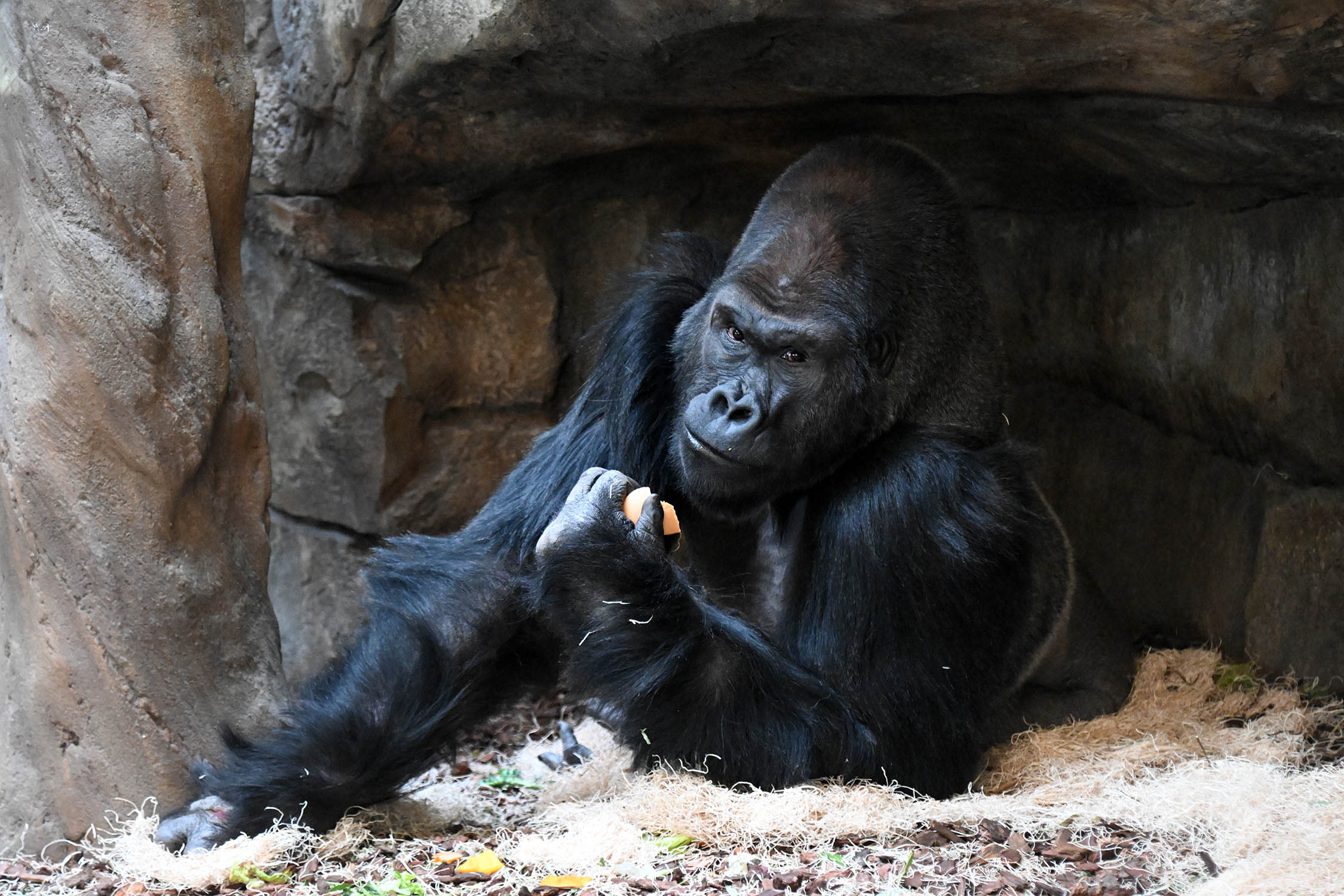
Gorillas forage in the forests during the day. They eat leaves, fruit, seeds, tree bark, plant bulbs, tender plant shoots and flowers of up to 200 different plant species. Gorillas drink water at various locations by soaking the backs of their hands in water, then sucking the water from the fur.
Threats
Gorillas are endangered in the wild and their range is shrinking, mainly due to degradation from agriculture, timber extraction, mining and climate change. There are also exceptionally high levels of hunting and disease-induced mortality.
There are an estimated 340,000 western lowland gorillas remaining.
How We're Helping
The western lowland gorilla is part of the Species Survival Plan at Brookfield Zoo Chicago. Learn more this cooperative population management and conservation program here.
Brookfield Zoo Chicago participates in the AZA SAFE Gorilla Program to help identify survival threats, support recovery, and offer you opportunities to learn more about at-risk species.
Meet the Troop
Ali
Jontu
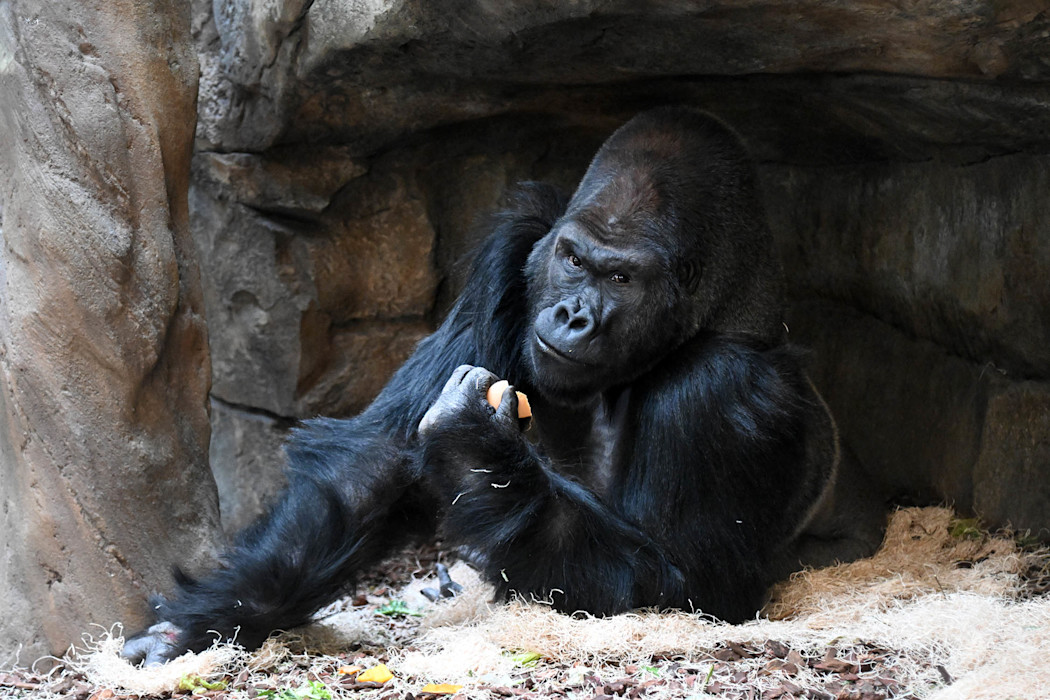
Kamba
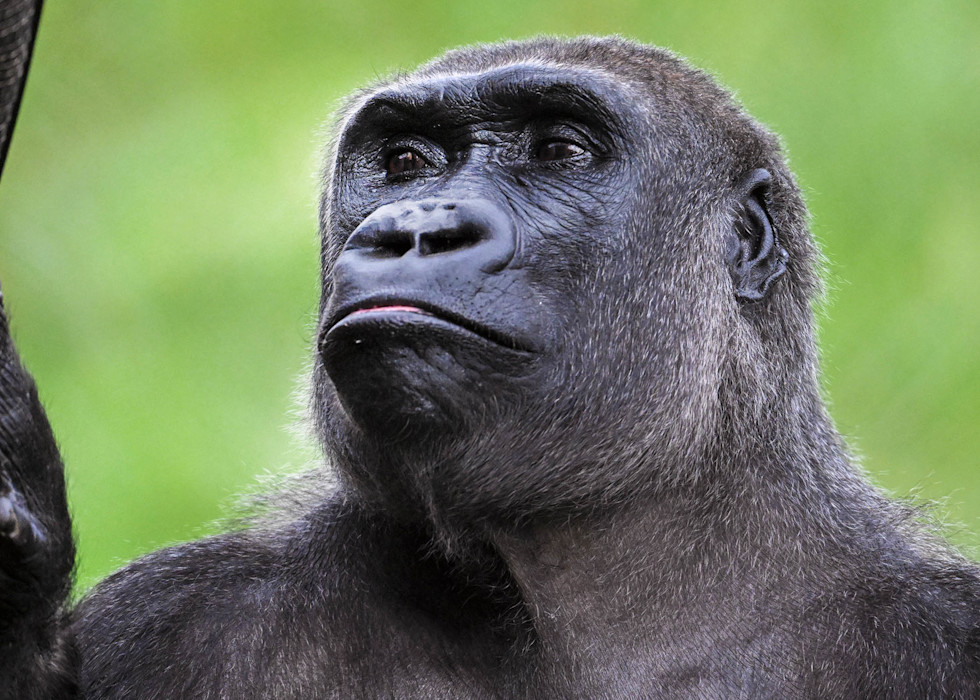
Nora
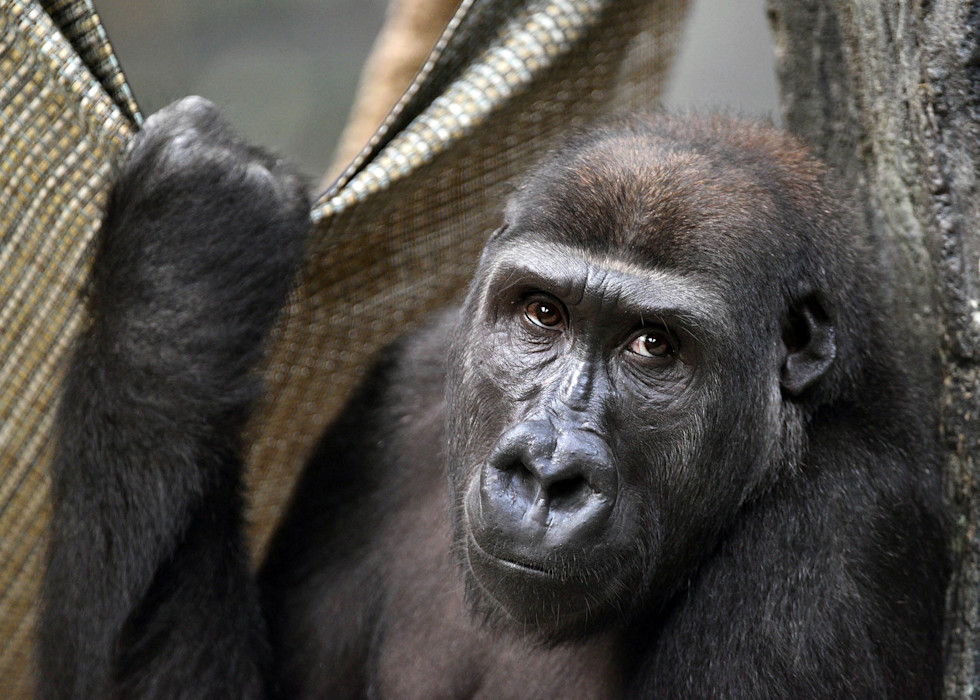
Shango
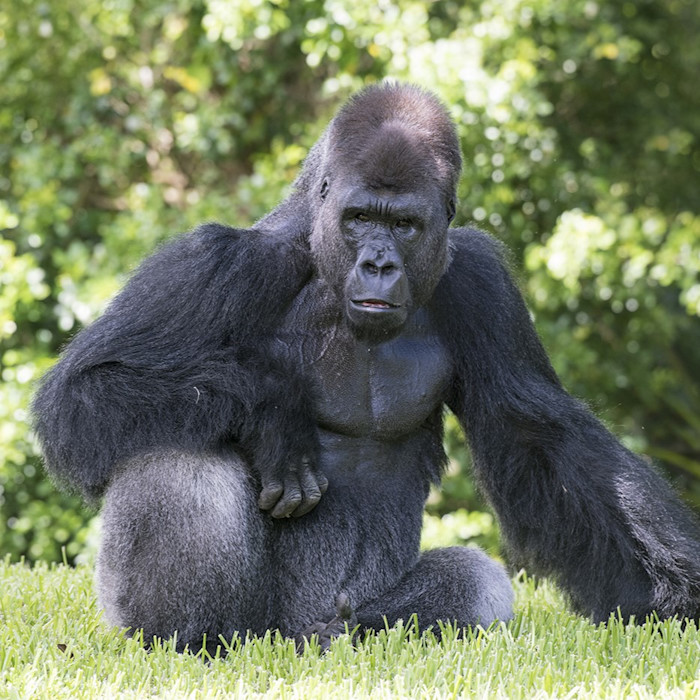
Binti
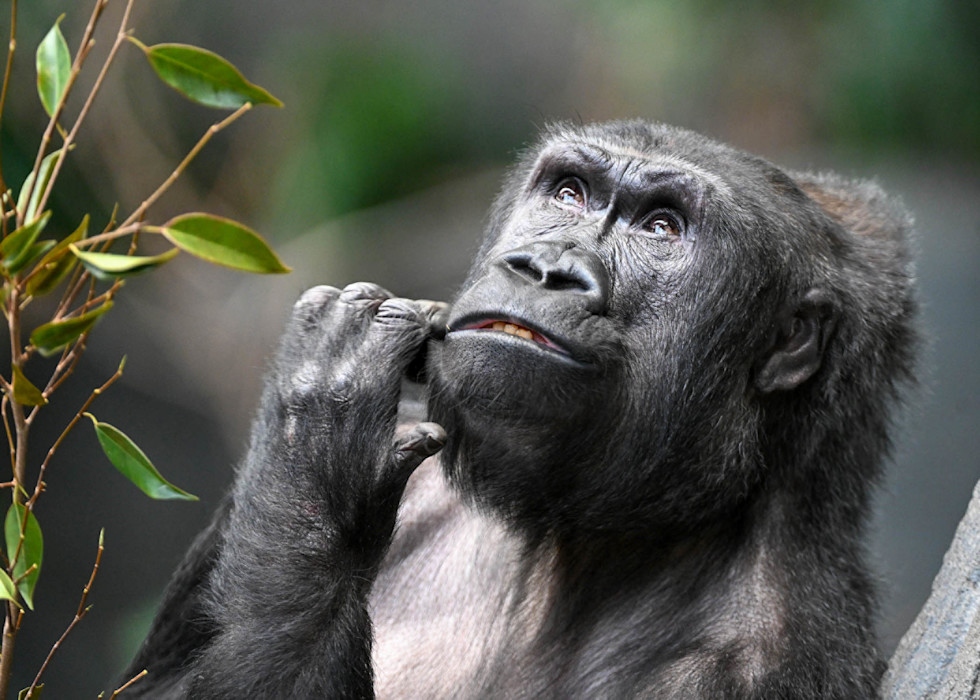
Koola
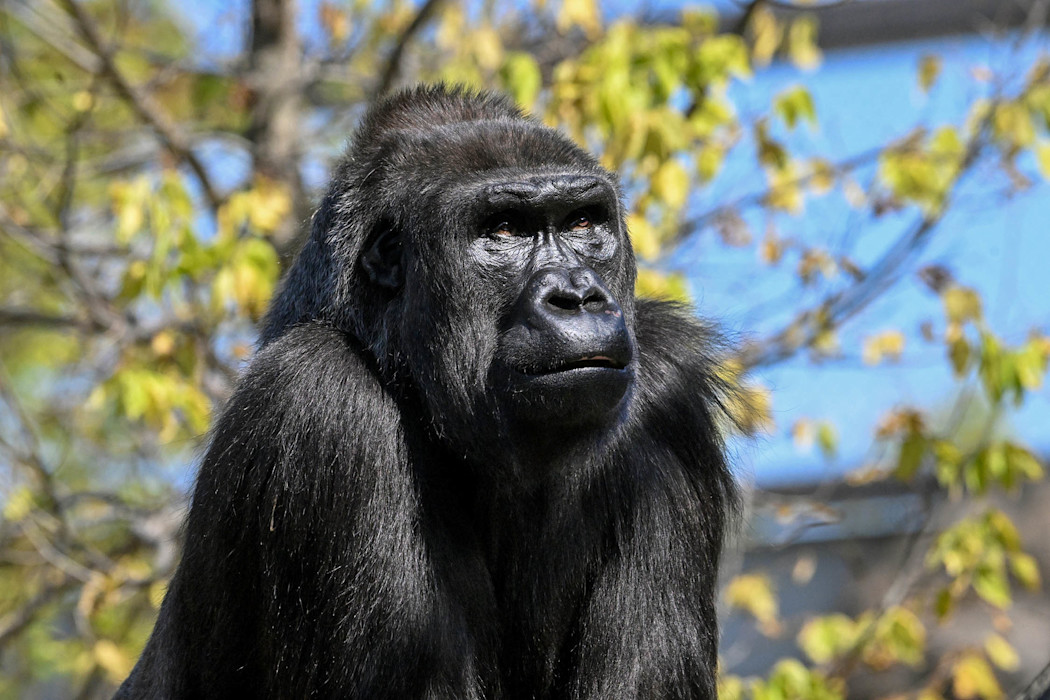
Barney