King Conservation Science Explorers

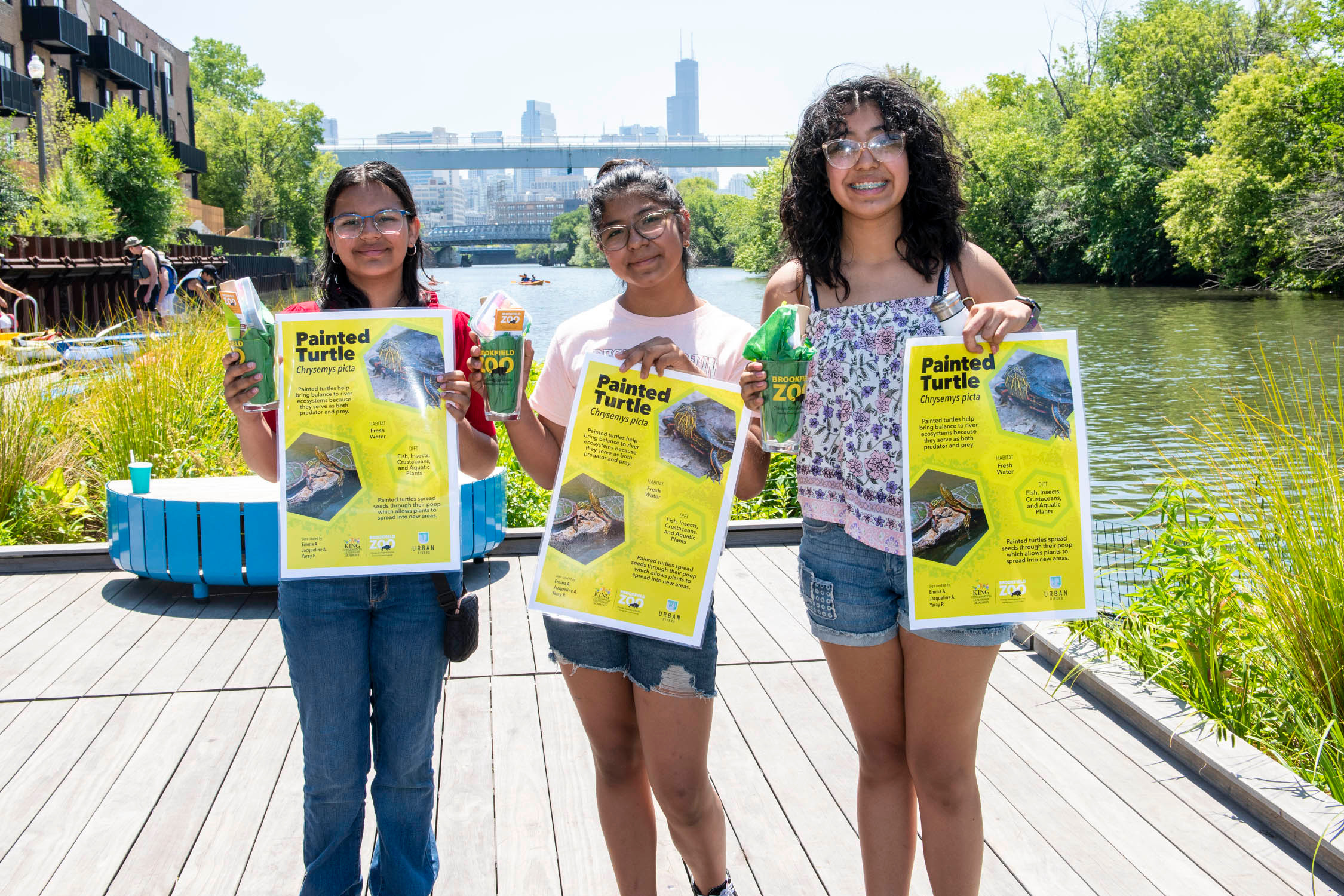
Three middle school-aged students stand on a dock next to the Chicago river, holding up papers about painted turtles.

Middle Schoolers are Tomorrow’s Change-Makers

The King Conservation Science Explorers program gives middle school-aged students a unique chance to engage with nature and their communities. Guided by Brookfield Zoo Chicago staff, participants take part in hands-on activities and projects, building toward a final presentation that showcases their learning and creativity.

King Explorers assist Zoo staff with Zoo Adventure Passport programs in their communities, leading younger children as emerging leaders.

Dates: September - June — currently in the communities of Pilsen and Cicero
Audience: Middle School youth (Grades 6-8, typically ages 11-14)

Registration for King Explorers fall and spring program sessions will be posted by September 1.

In the meantime, please feel free to join us for any of our Zoo Adventure Passport! (ZAP!) options.
Ways to Get Involved

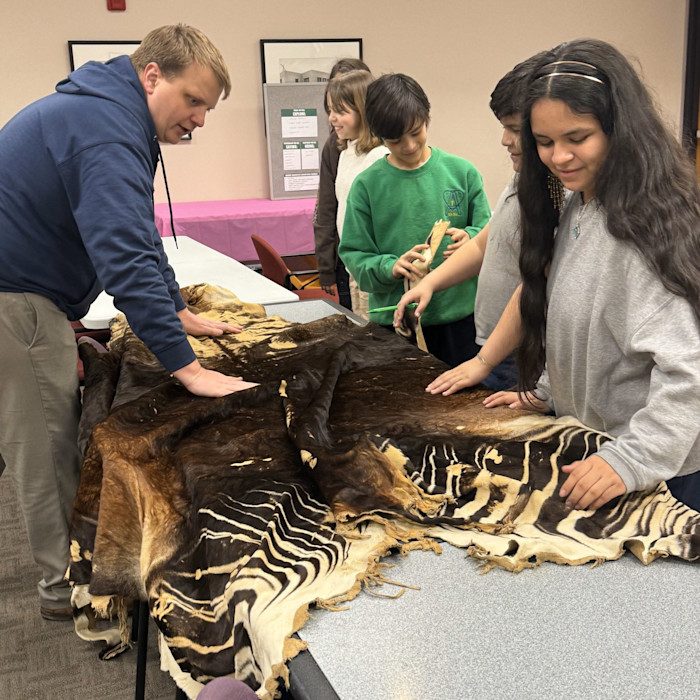
Students reach out and pet a zebra pelt that is stretched on a table.

Programs Hosted at Library Sites

Library-based community programs provide:

  • Hands-on activities to practice science skills and explore science topics

  • Group discussions to understand personal, social, and historical aspects of conservation

  • Short projects that build critical thinking and creativity

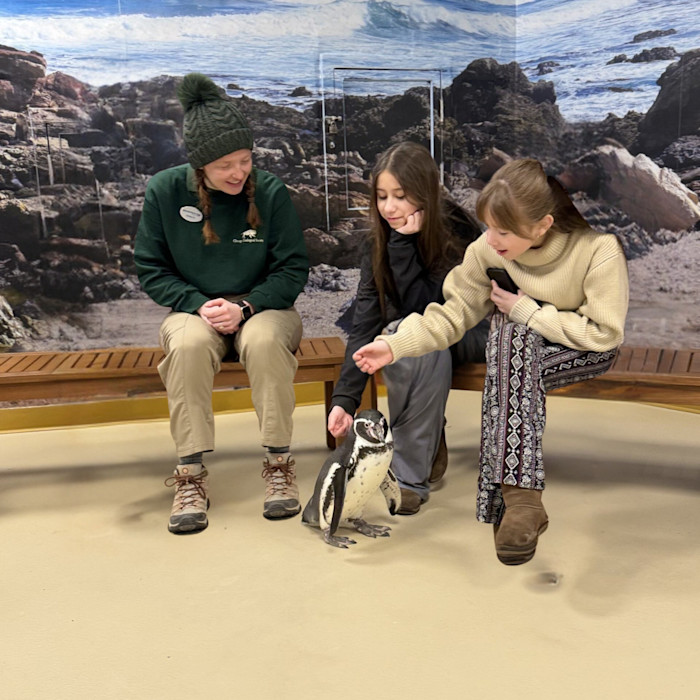
Two students interact with a Humboldt penguin.

Programs Hosted at Brookfield Zoo Chicago

Field experiences at Brookfield Zoo Chicago and nearby community sites offer:

  • Opportunities to meet Zoo staff and learn how their work supports animal care and conservation

  • Workshops and activities led by local experts in STEAM fields

  • Chances to work with peers on a large project that benefits the Zoo community

Content

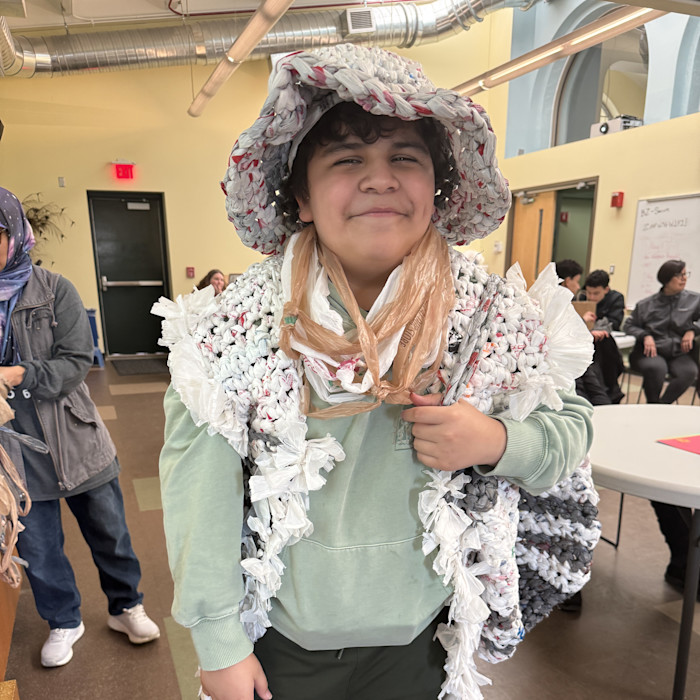
A middle-school aged student wears a vest and hat made out of recycled materials.

2025 - 2026 Cycle

This season will focus on how youth can be responsible consumers and support sustainable practices in fashion, clothing, textiles, jewelry, and accessories.

Programs may include artists and local experts who teach skills like repurposing and upcycling clothes, using natural dyes, weaving, and making textiles.

Youth will plan an end-of-program donation event. This will also include examples from activities throughout the season and youth-led demonstrations.

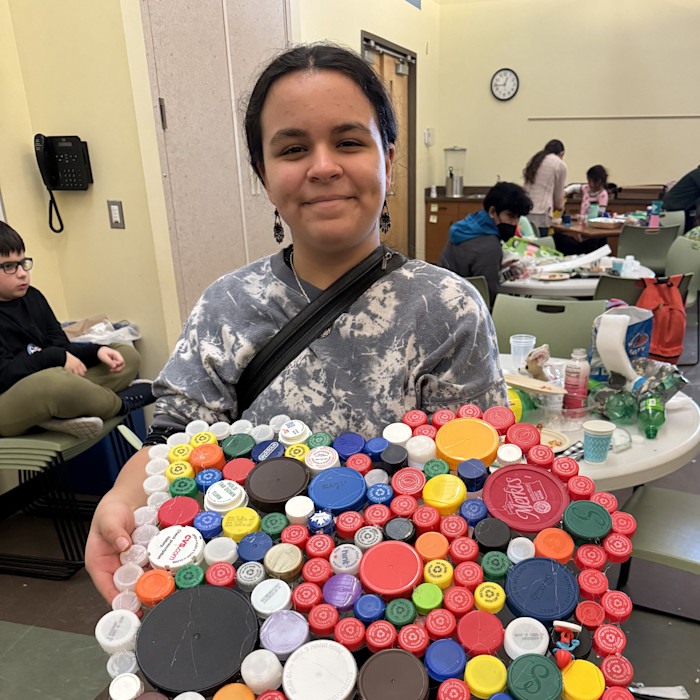
A middle-school aged student holds a box of plastic bottles.

2026 - 2027 Cycle

This season will focus on how youth can be responsible consumers and support sustainable practices in technology, manufacturing, plastics, phones, and computers.

Programs may include artists and local experts who teach skills like repurposing and upcycling plastic waste or reusing technology resources.

Youth will plan an end-of-program donation event. This will also include examples from activities throughout the season and youth-led demonstrations.

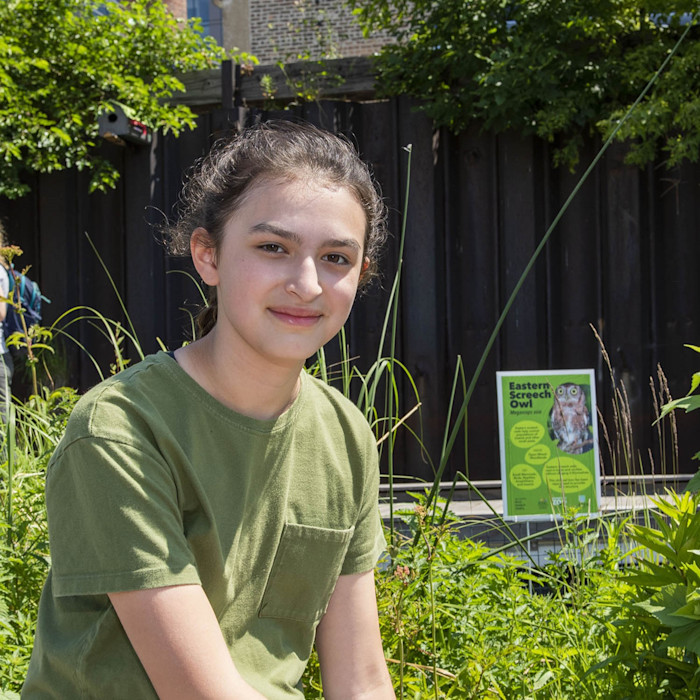
A middle-school aged student sits among tall grasses.

2027 - 2028 Cycle

This season will focus on how youth can be responsible consumers and support sustainable practices related to food, paper, wood, compostable items, and more.

Programs may include artists and local experts teaching skills like cooking, agriculture, paper art, seed paper, clay and soil work, or wood burning and carving.

Youth will plan an end-of-program donation event. This will also include examples from activities throughout the season and youth-led demonstrations.