Repopulation and Reintroduction Programs

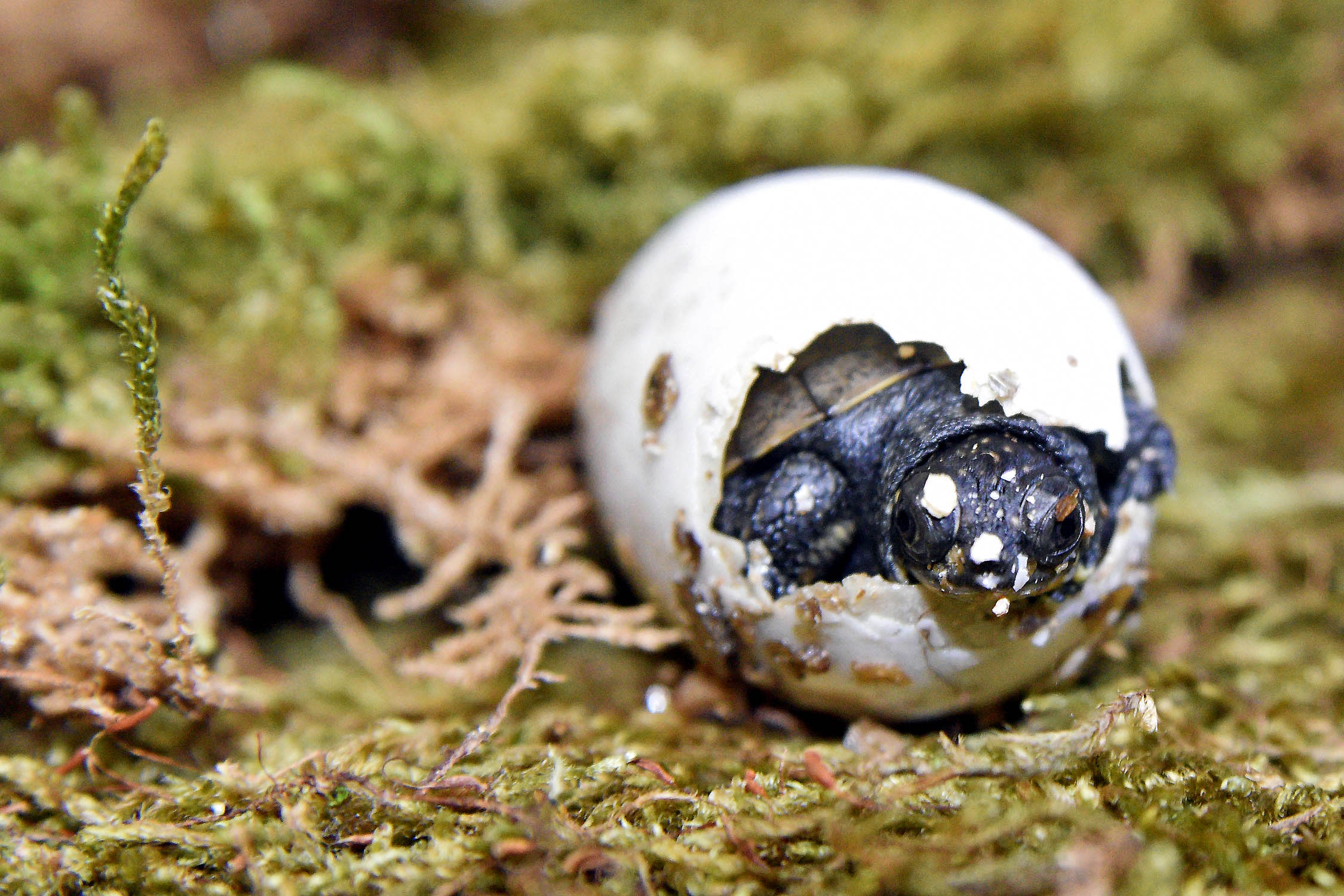
A Blanding's turtle hatchling looks out from its shell.

How Zoo Conservation Programs Help Save Wildlife From Extinction

When animals face extinction in the wild, zoo-based conservation programs play a critical role in species survival. Through carefully managed repopulation and reintroduction programs, accredited zoos help rebuild endangered populations, restore genetic diversity, and return animals to their native habitats.

At Brookfield Zoo Chicago, conservation scientists and animal care teams work alongside local, national, and international partners to support endangered species recovery. These efforts go far beyond zoo walls — helping wildlife populations survive, reproduce, and thrive in the wild.
How Zoo Repopulation and Reintroduction Programs Work

Zoo conservation programs follow a science-based process designed to give endangered species the best possible chance of long-term survival:

  • Conservation breeding to maintain healthy, genetically diverse populations, like Species Survival Plansand AZA SAFE.

  • Head-start programs that protect young animals during their most vulnerable life stages

  • Fostering and reintroduction of zoo-born animals into suitable wild habitats

  • Long-term monitoring in partnership with wildlife agencies

This approach allows animals raised in professional care to successfully adapt to natural environments and contribute to wild populations.

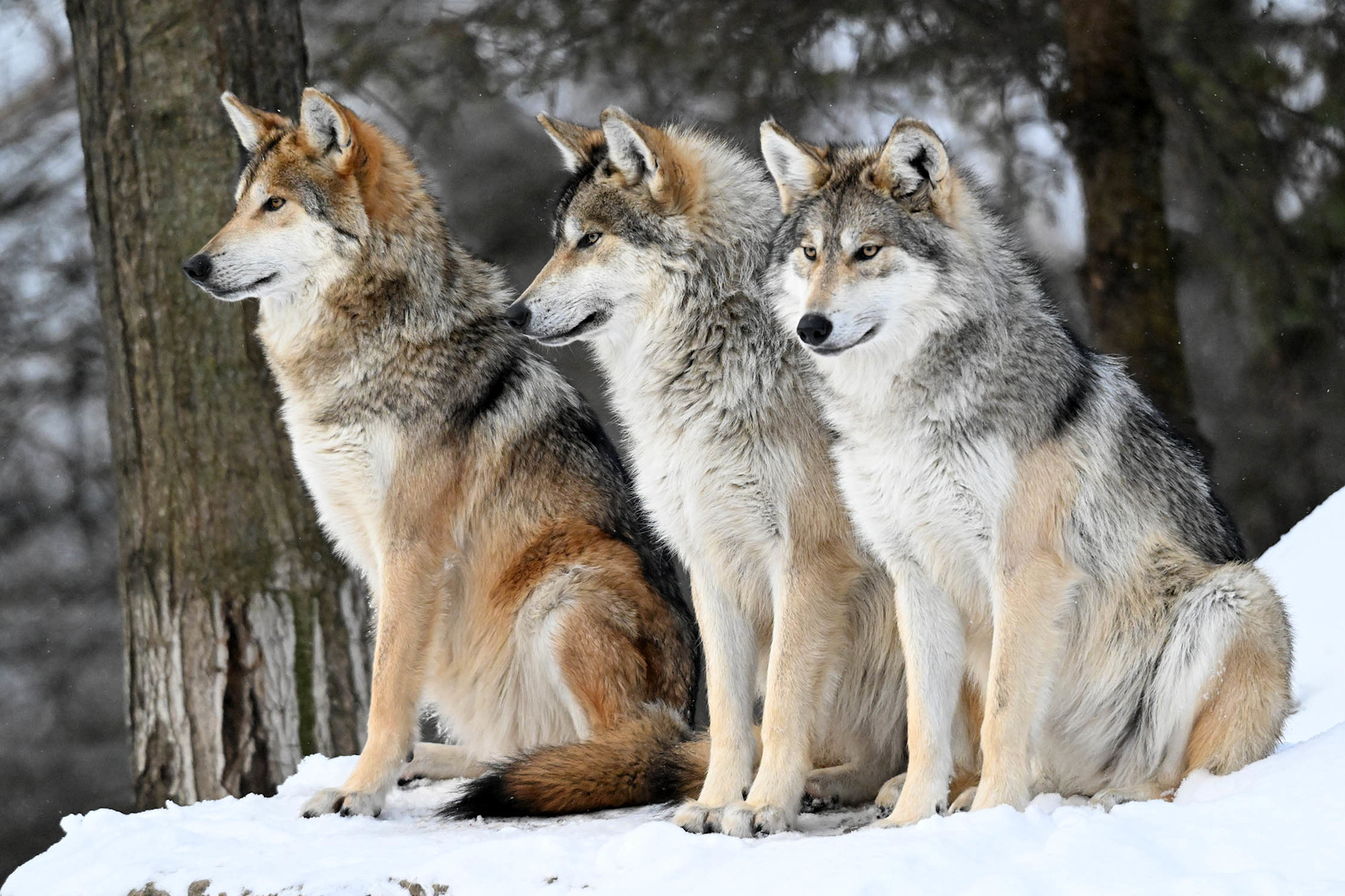
Three Mexican wolves sit in a line.

Brookfield Zoo Chicago Repopulation and Reintroduction Programs

Mexican Wolves

Re-establishing a Keystone Predator in the Wild

From the 1980s until 1998, Mexican wolves were considered extinct in the wild due to antipredator campaigns in the U.S. and Mexico. But after several decades of decline, the Mexican wolf population is growing thanks to reintroduction efforts and the help of organizations like Brookfield Zoo Chicago.

Since 2003, we have participated in U.S. Fish and Wildlife Service’s (USFWS) Mexican Wolf Recovery Program with the goal of re-establishing a healthy and self-sustaining population of Mexican wolves within their historic range.

A key strategy is pup fostering. When wolf pups are born in professional care and in the wild at the same time, zoo-born pups are placed into wild dens. Scientists carefully scent-match the pups so the wild mother accepts them as her own, while biologists monitor the process to ensure success.
 
Not only does this effort support Mexican wolf population growth, it also increases the population’s genetic diversity, which is important for the long-term health and survival of the population.

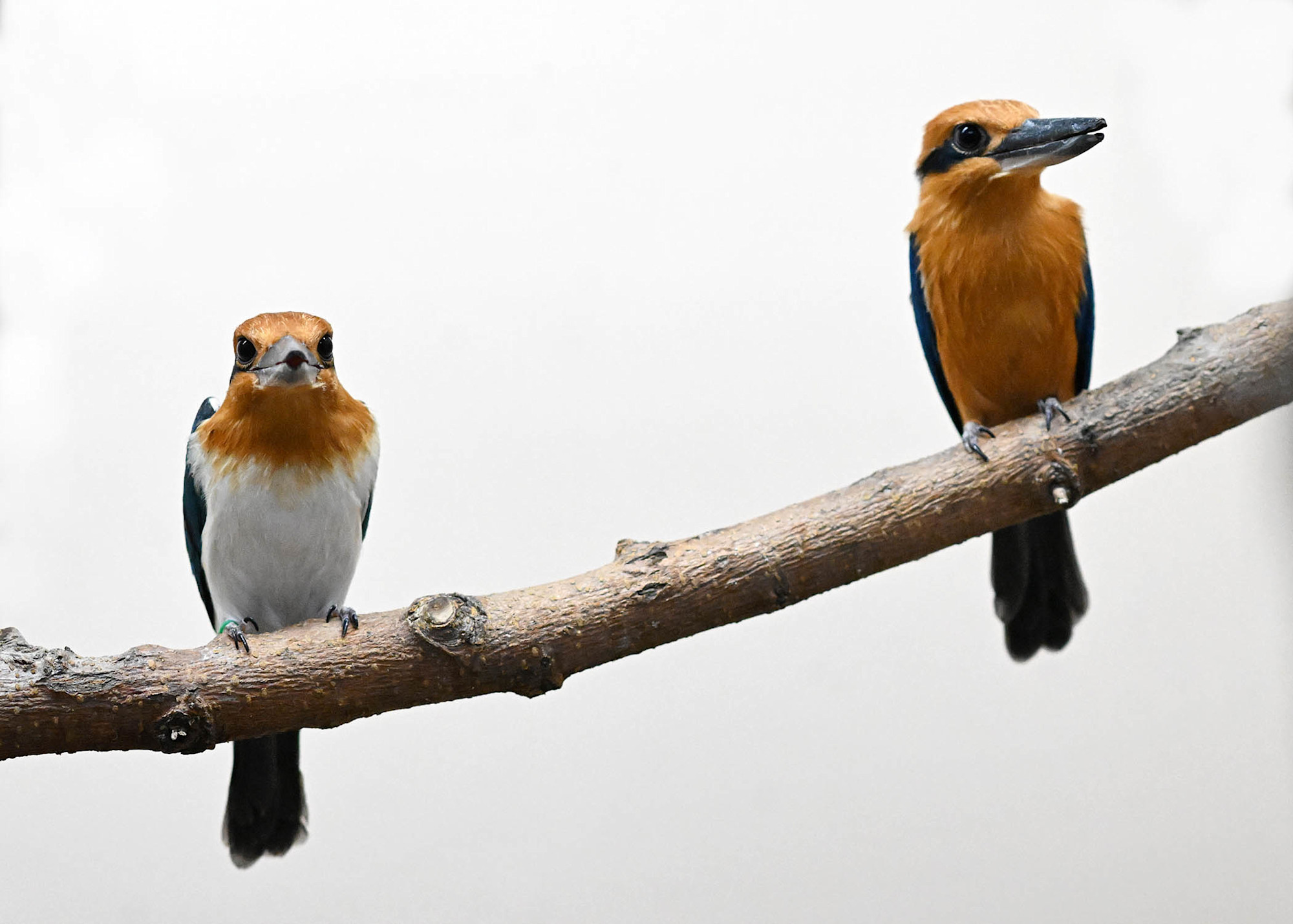
Two Guam kingfishers perch on a branch, one with a white chest and one with an orange chest.

Guam Kingfishers (Sihek)

Bringing a Species Back From Extinction in the Wild

Guam kingfishers (or sihek as the birds are known by the indigenous CHamoru people of Guam) went extinct in the wild due to invasive brown tree snakes introduced to the island during World War II, wiping out many native bird species. A rescue effort was launched in the 1980s to bring 28 sihek (pronounced see-heck) in the care of zoos, including Brookfield Zoo Chicago, with the goal of one day reintroducing the species back into the wild.

As a partner of the Sihek Recovery Program, Brookfield Zoo Chicago is home to the largest sihek population in the world, with more than 20 birds in its care. Over the years, it has produced approximately 80 chicks for the recovery effort.

In 2024, the first birds were brought back to the wild to the Palmyra Atoll, a National Wildlife Refuge and part of the Pacific Remote Islands Marine National Monument. Among the first birds brought to the island was Yayas, a bird who originated at Brookfield Zoo Chicago. In the months since the birds were reintroduced to the wild, they have begun to make nests, hunt, and have even laid eggs.

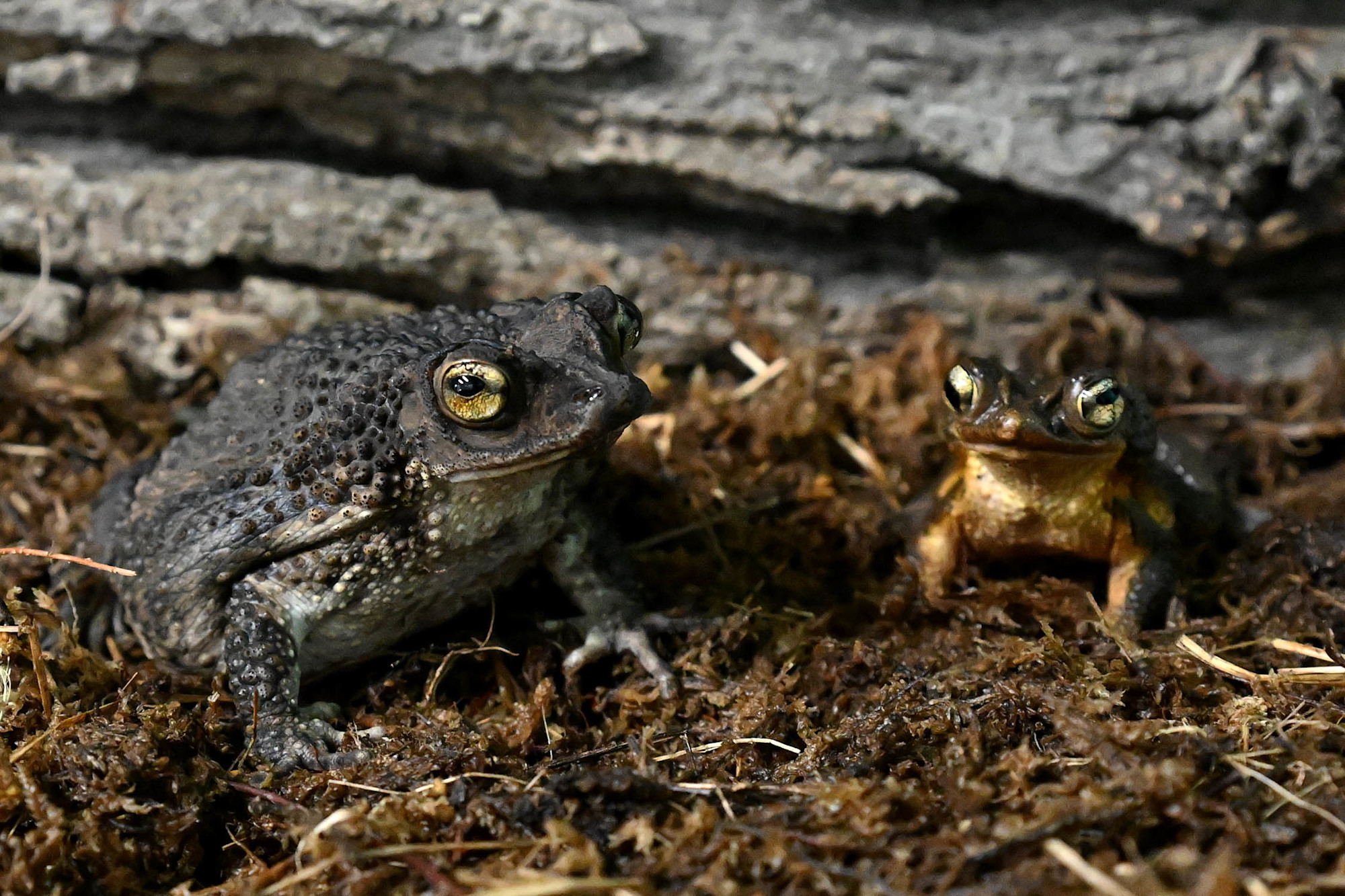
Two Puerto Rican crested toads sitting in soil, their brown, bumpy skin blending in with the ground.

Puerto Rican Crested Toads

Saving a Critically Endangered Native Species

The critically endangered Puerto Rican crested toad is the only toad native to Puerto Rico, and faces extinction due to predators and habitat loss. But, zoos like Brookfield Zoo Chicago are working to help save this species.

In 1984, the Puerto Rican crested toad became the first amphibian Species Survival Plan (SSP) program under the Association of Zoos and Aquariums, and later became the Puerto Rican Crested Toad Conservancy (PRCTC).

Since 2015, Brookfield Zoo Chicago has raised thousands of Puerto Rican toad tadpoles behind the scenes, and worked with the PRCTC to safely bring these tadpoles to waterways in Puerto Rico each year.

These releases help:

  • Stabilize wild populations

  • Preserve amphibian biodiversity

  • Strengthen fragile freshwater ecosystems

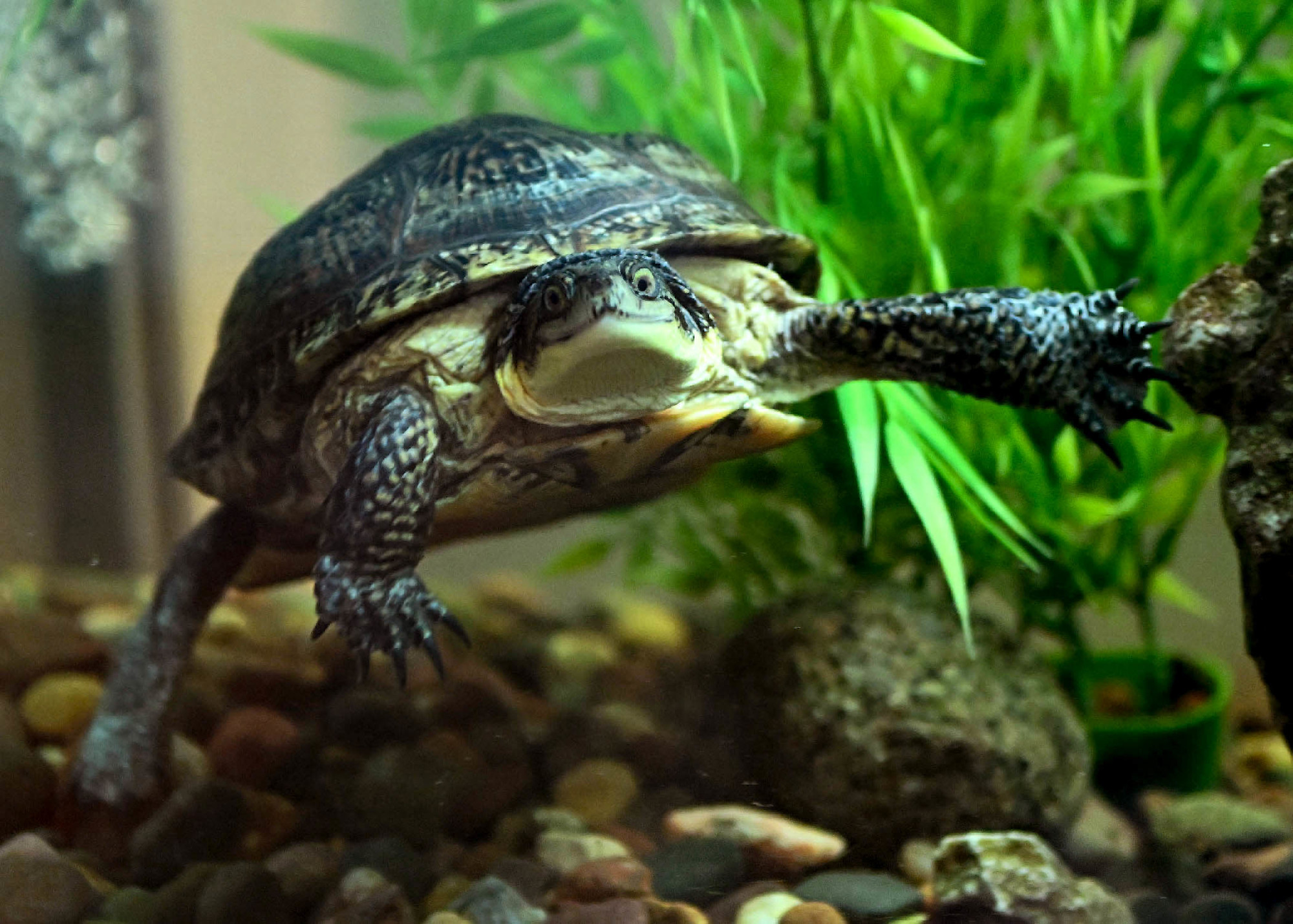
A Blanding's turtle swims through leafy freshwater habitat.

Blanding's Turtles

Giving Hatchlings a Head Start for Survival

In the wild, Blanding’s turtles face extreme survival challenges. Only about a 2% chance of reaching breeding maturation due to dangers like the increase of raccoons and other predators. During their 60-day incubation period, 90% of turtle nests are destroyed by predators every year.  

To address this, the DuPage Forest Preserve District launched a Blanding’s turtle head-start program, collecting eggs from wild females and raising hatchlings in protected environments before release. Brookfield Zoo Chicago joined this effort in 2011, raising turtles in safe, behind-the-scenes habitats.

Female Blanding’s turtles take 14–20 years to reach maturity, conservation success requires long-term commitment. Because of this, it wasn’t until 2019 that some of the nearly 25 females in the pond were able to mate and lay healthy eggs. In 2020, the baby turtles that hatched from these eggs became the first group from Brookfield Zoo Chicago to be returned to the wild. We are proud to be part of this program and help give Blanding’s turtles a better chance to survive and grow.

Why Repopulation and Reintroduction Programs Matter

Many endangered species cannot recover on their own. Habitat loss, pollution, and climate change have made survival in the wild extremely difficult. Repopulation and reintroduction programs give these animals a second chance by protecting them during their most vulnerable stages of life.

These programs help by:

  • Preventing species from disappearing forever

  • Returning animals to areas where they once lived

  • Strengthening wild populations through healthy genetic diversity

  • Helping ecosystems recover when key species are lost

By supporting wildlife beyond zoo boundaries, these programs create real, long-term conservation results.

Frequently Asked Questions About Zoo Conservation Programs

How do zoos help endangered species?

Zoos support endangered species through conservation breeding, scientific research, habitat restoration, and reintroduction programs that return animals to the wild.

What is a reintroduction program?

A reintroduction program places animals raised in professional care into suitable wild habitats to help rebuild declining populations.

Do zoo-born animals survive in the wild?

Yes. When carefully selected and monitored, zoo-born animals can adapt successfully and strengthen wild populations.

Why is genetic diversity important in conservation?

Genetic diversity helps species resist disease, adapt to environmental changes, and survive long term.