Animal Enrichment & Training

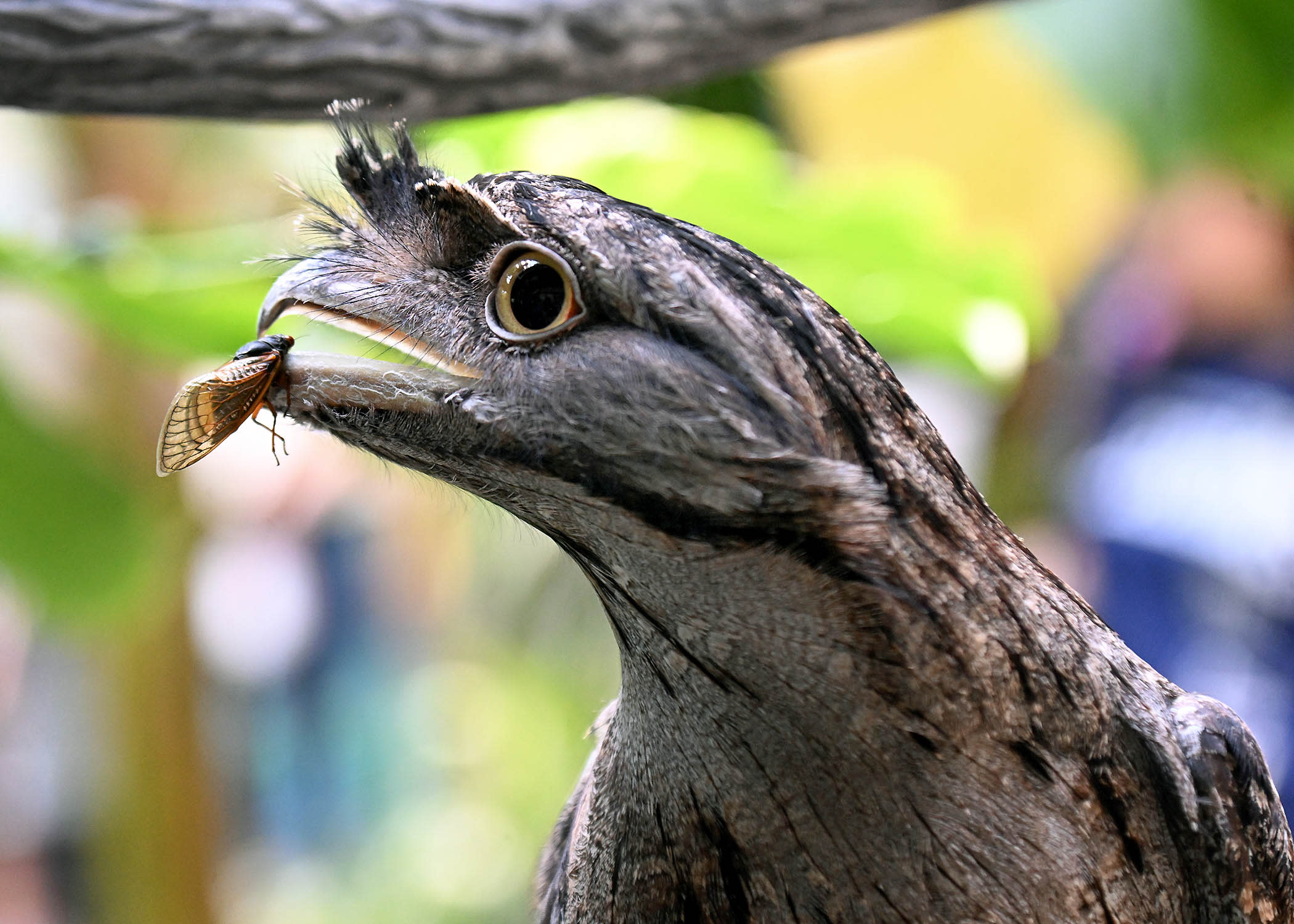
A tawny frogmouth sits with a cicada sitting on its beak.

Keeping Animal Brains and Bodies Active

Animal enrichment is a vital part of high-quality care that keeps animals active, curious, and healthy. It works by giving them new things to explore and interesting problems to solve. Just like people, animals stay at their best when they have variety and daily challenges to look forward to.

By supporting both the body and the mind, good enrichment helps animals live more fulfilling lives and improves their overall well-being.
What is Animal Enrichment?

Animal enrichment includes foods, objects, activities, habitat changes, and training that give animals mental and physical stimulation. Enrichment encourages animals to use natural behaviors, make choices, and stay engaged with their environment. Enrichment is not just for fun. It is an essential part of animal welfare.

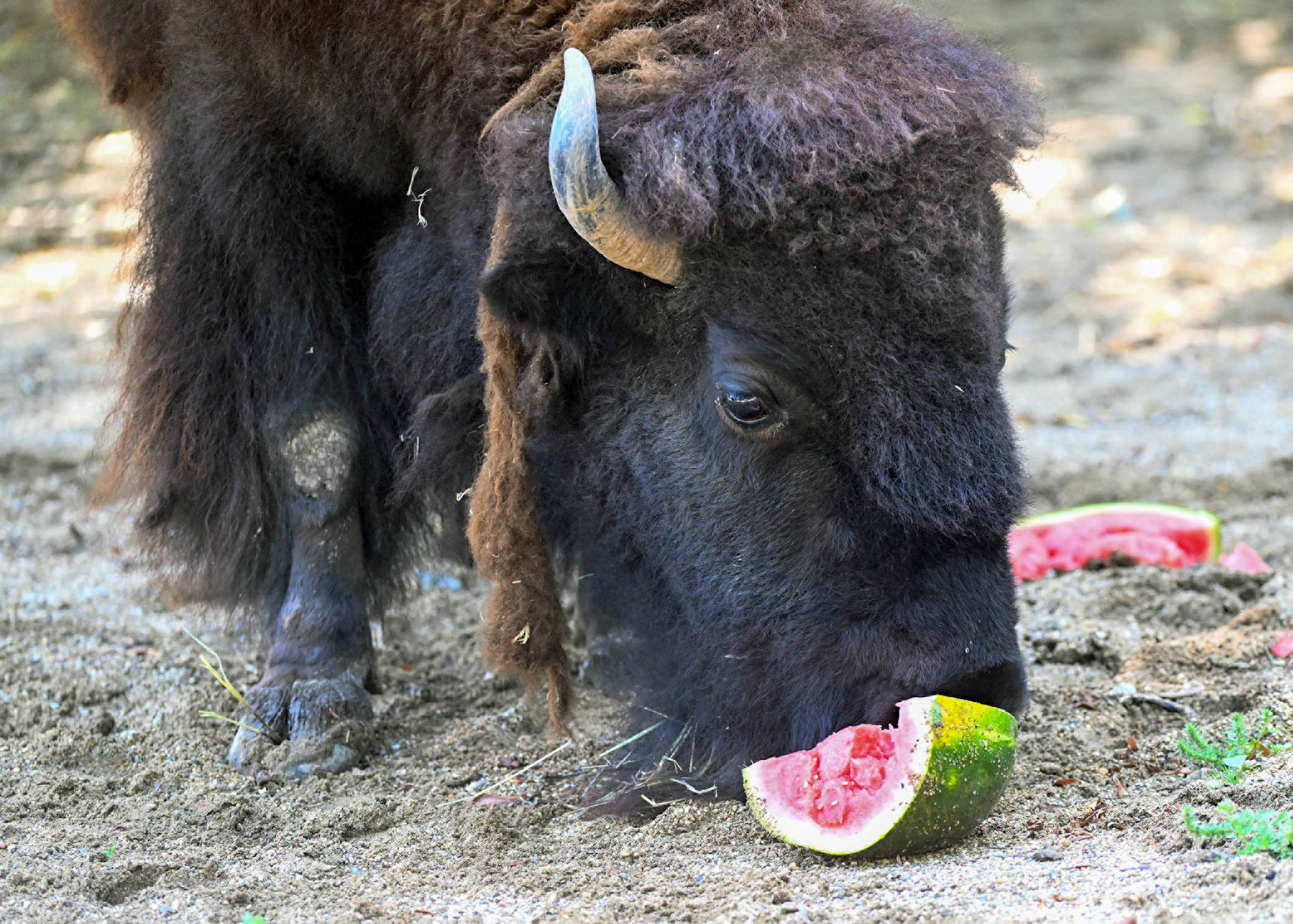
A bison eats a watermelon.

Different Types of Animal Enrichment

Enrichment comes in all shapes and sizes. At Brookfield Zoo Chicago, we use several different methods to engage with animals’ senses, instincts, and abilities to keep their environment dynamic.

Food & Nutritional Enrichment

When foods that are outside of the normal diet — but still nutritious and safe to eat! — are given to an animal, this can be a great form of enrichment. Sometimes, even the form the food takes can be of interest for the animal. One example of this is providing popcorn to an animal instead of corn, or shaping their food into a birthday cake to celebrate a big day.

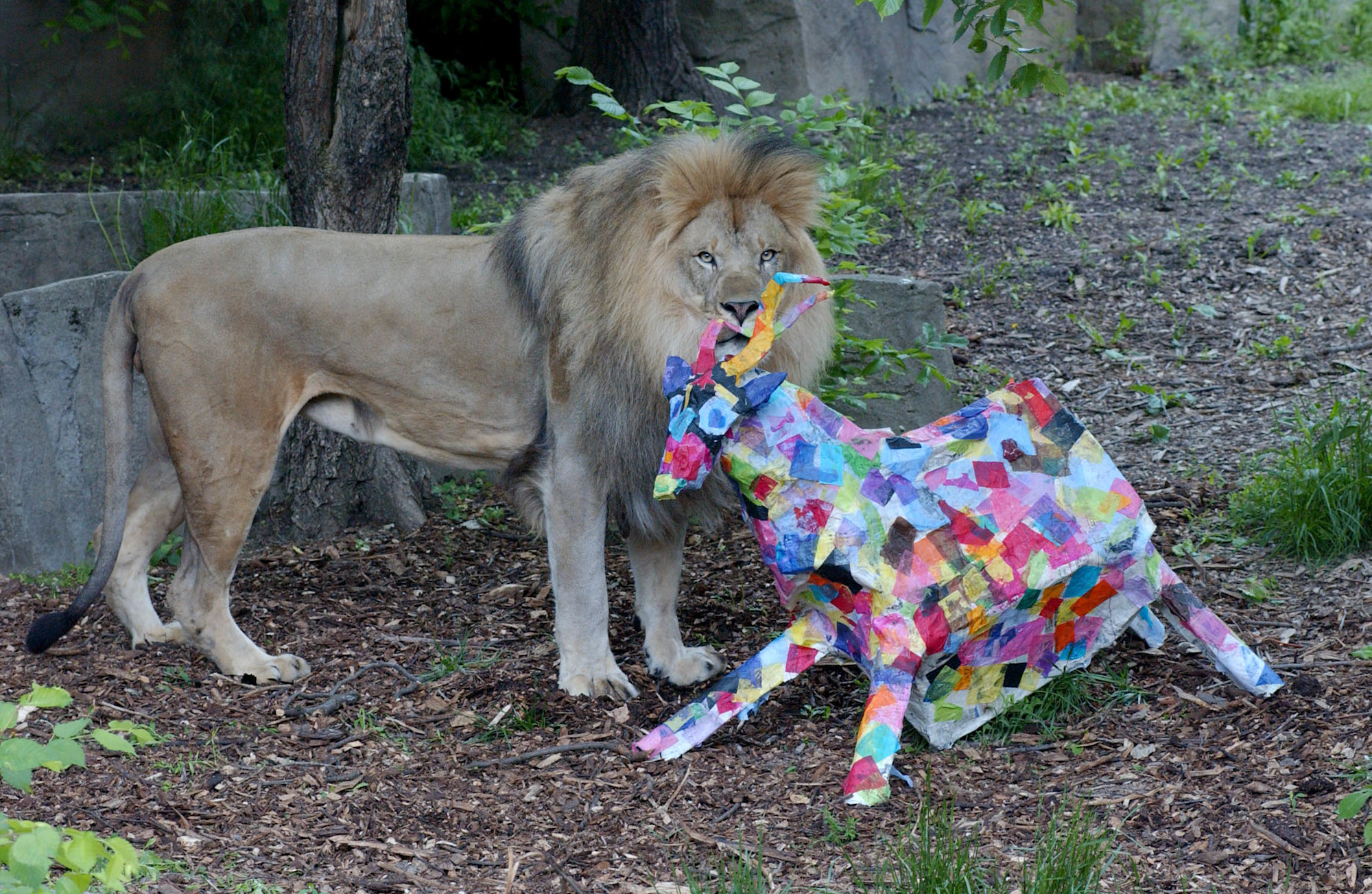
When food is delivered in a different manner — such as fruit inside a puzzle feeder, fish frozen inside a block of ice, a carcass hanging from a pole above or hidden under a piece of their habitat—this challenges the animal to search for its food for longer, like their wild counterparts do. These could also include papier mache “prey” filled with meat for a lion, or an orangutan might be provided with sticks to discover specially-buried insects. All of these different forms of enrichment to help animals explore wild behaviors.

Sensory Enrichment

It’s not just food that sparks interest for animals; it’s also changes to their habitat! Seasonal enrichment like snow in the winter or pumpkins in the fall create great opportunities for animals to explore new scents and textures. In January, we also give animals the evergreen trees used during Holiday Magic as enrichment!

Habitat Enrichment

Our animal care team creates opportunities for the animals to interact with their surroundings as they would in the wild. Habitat enrichment brings so many positives for both animals and visitors! For example, creating a climbing structure for sloth bears keeps them active and happy, giving them a chance to stretch their bodies in different ways and explore. Plus, guests get to watch the bears showing off their natural behaviors — making each visit extra special and memorable!

Sound & Video Enrichment

Sound and video enrichment uses audio and visual experiences to keep animals engaged. In Tropical World, animal care specialists use sound and video enrichment to support the primates’ curiosity, learning, and problem-solving skills. This type of enrichment gives animals choice and helps build confidence as they interact with their environment.

Positive Reinforcement During Training

To provide the best health care for the animals in their care, our animal care specialists work to teach animals a wide range of cooperative behaviors that could one day prove life-saving. Using positive reinforcement, animals learn to participate in their own care in ways that make veterinary procedures safer and less stressful. These include everything from a sea lion opening his mouth for a staff member to brush his teeth, to a polar bear presenting his paw for a blood sample! Animals have learned to get on scales to be weighed, to take medicine, and to stay still during lab tests — all important to make sure they can receive the best veterinary care.

How Do We Know When Enrichment is Working?

First, we look at past studies and talk with other zoos to see what has worked before. Then, our Animal Welfare Science team works with animal care specialists to come up with new ideas for enrichment. Once we introduce an activity or object, we watch the animals closely to see if it helps them think, feel, or move in healthy ways. We track things like play, social behavior, happy sounds, and stress levels. This helps us make sure we’re giving animals the most fun, stimulating, and healthy environment possible.

A lion stands next to a paper mache pinata.

A Continuous Journey of Care

Enrichment is more than just a daily task, it's a scientific way to make sure every animal at Brookfield Zoo Chicago stays happy and healthy.

As we learn more about animal science, we are always finding new ways to keep our residents active and engaged. These daily activities help us keep our promise to provide the best care possible and help our visitors connect with the amazing species we protect.

Enrichment in Action

Head behind-the-scenes with Dr. Mike Adkesson, President & CEO, and Raquel Ardisana-Penney, Associate Director of Carnivore Care and Conservation, to learn about the Amur leopard cubs and the various forms of enrichment helping them reach key development milestones.