Happy Ape Awareness month! This Ape-ril, Brookfield Zoo Chicago is renewing our commitment to understanding the world of apes, inside and out.
What do you imagine when you think about caring for gorillas and orangutans? Maybe you picture animal care specialists feeding them or tending to their habitats outside at Bramsen Tropical Forests. Or maybe you think about what it would be like to get to know each ape and their individual needs and personalities.
These are all important parts of the job for animal care specialists at Brookfield Zoo Chicago. But in order to really care for primates — and all animals at the Zoo — we have to go beneath the surface. We need to know what’s happening inside their bodies.
This can be a challenge, especially for bigger, complex animals like gorillas and orangutans. To understand their biology, we work together to share knowledge across other zoos and conservation organizations.
This is why Brookfield Zoo Chicago supports the Great Ape Heart Project (GAHP).
What exactly are great apes?
Apes include two families: great apes and lesser apes. Apes themselves are different from monkeys, lacking a tail, but making up for it with big brains.
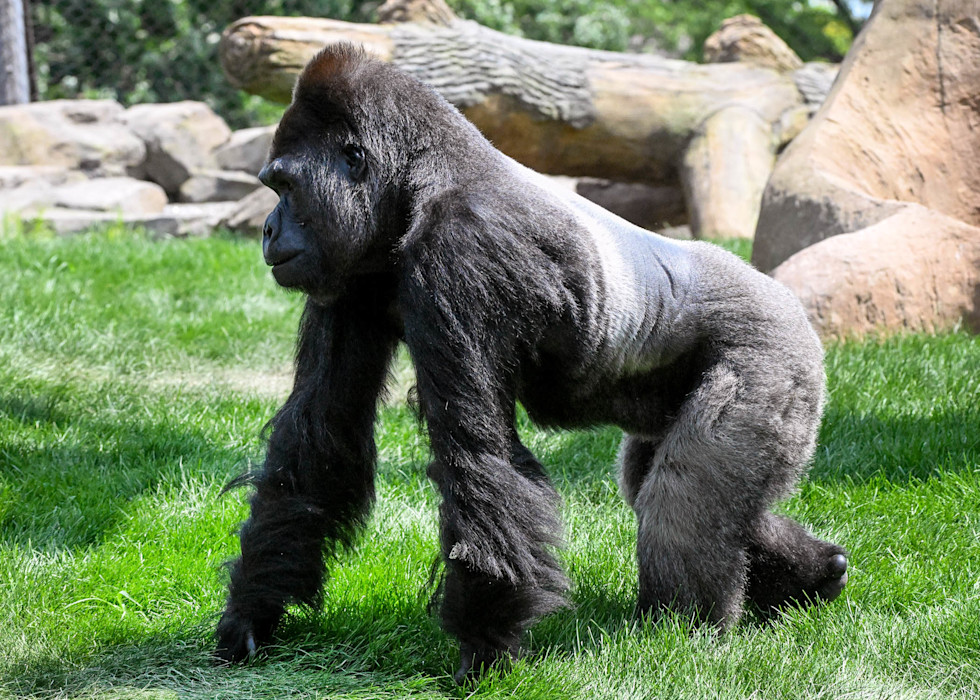
Great apes, or members of the Hominidae family, include chimpanzees, gorillas, bonobos, and orangutans. Lesser apes include different species of gibbons. At Brookfield Zoo Chicago, you can visit gorillas, orangutans, and gibbons at Bramsen Tropical Forests or Tropic World.
What is the Great Ape Heart Project?
Heart disease is a leading cause of death for great apes, just like it is for humans. GAHP brings together specialists like veterinarians, pathologists, radiologists, cardiologists, and more experts under a shared goal: improving heart health for great apes.
By carefully collecting information throughout a great ape’s life, GAHP deepens our scientific understanding of cardiac disease. Using tools such as heart ultrasounds, EKG readings, heart loop monitors, behavioral data, and more, GAHP creates a comprehensive picture of an ape’s health. Then, they share knowledge with zoos, sanctuaries, and field conservation teams so that great ape heart conditions can be diagnosed earlier and treated better.
Heart health can be complex, and providing exceptional care for great apes means looking ahead, paying attention over time, and understanding what is normal for each individual. Then, caregivers can make informed decisions rooted in both science and experience.
From exams throughout an ape’s life to hearts studied after their death, GAHP helps Brookfield Zoo Chicago get a fuller picture of ape cardiac health.
How does Brookfield Zoo Chicago partner with the Great Ape Heart Project?
Brookfield Zoo Chicago has been involved with GAHP since its beginning in 2010. This means that when we do a cardiac exam on gorillas and orangutans, we share that information with GAHP. In turn, we get to draw on information from other zoos to better understand the hearts of the apes in our care.
Earlier this year, we also hosted GAHP’s annual meeting, welcoming experts from across the field to share ideas, discuss challenges, and improve great ape cardiac care together. Our animal welfare, pathology, and radiology experts are close collaborators with GAHP, shaping great ape well-being with their leadership.
Caring for great apes together
At its core, the Great Ape Heart Project is about giving great apes the benefit of collective care. Every exam, shared insight, and partnership helps build a clearer picture of how we can support these remarkable animals long-term.
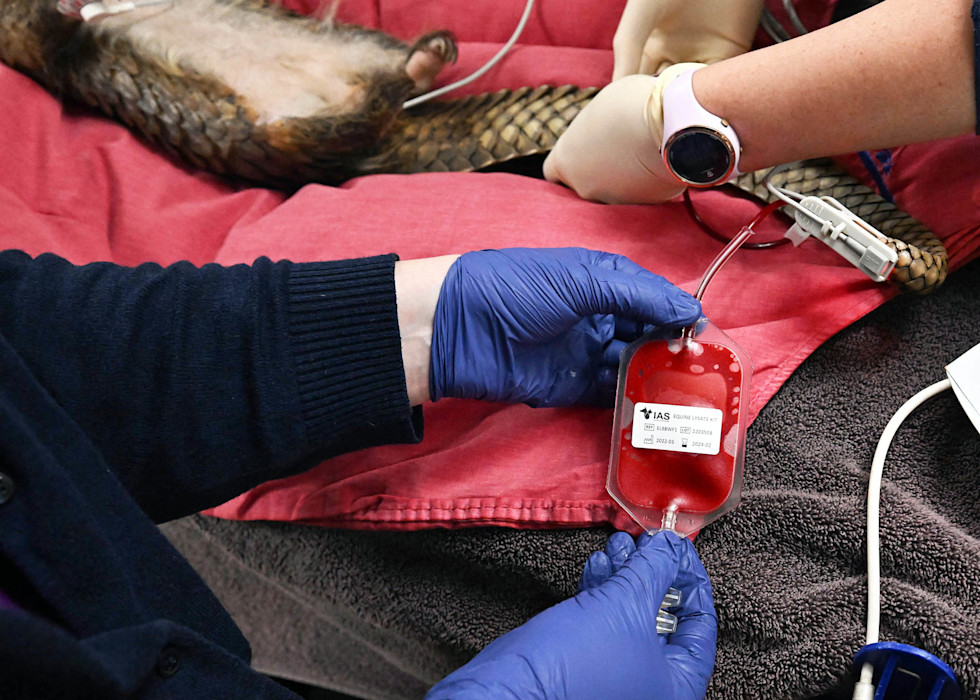
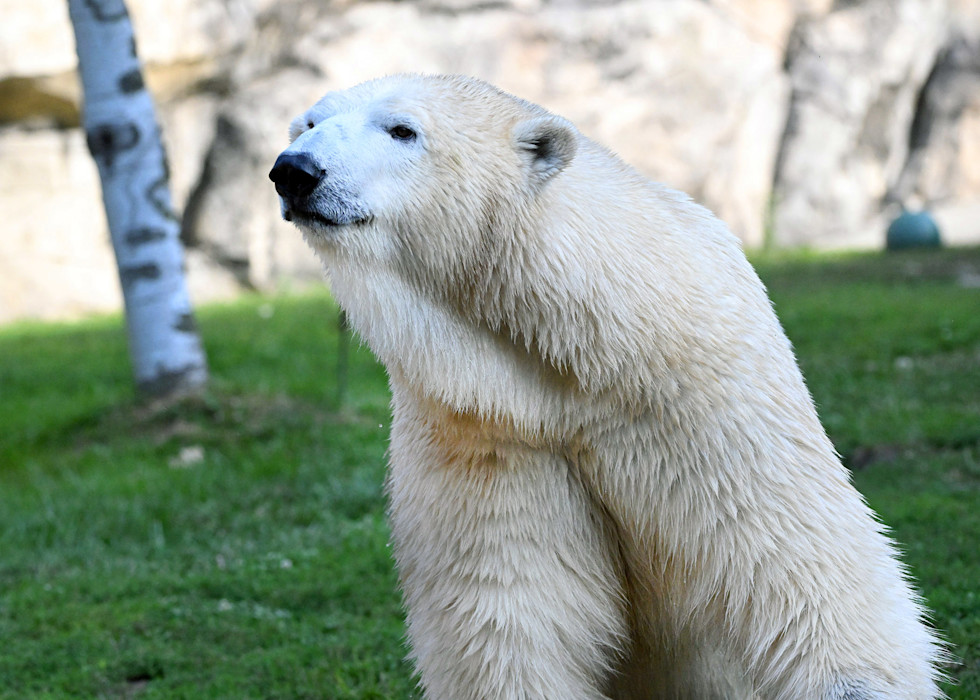
Brookfield Zoo Chicago supports this work because we’re committed to creating spaces for collaboration to better care for animals around the world. Our participation in GAHP is just one example of the many ways we do this. Our projects such as the Zoo and Aquarium Radiology Database (ZARD), blood banking research, and the Polar Bear Population Alliance (PBPA) also gather and share information across conservation organizations.
We have experts, but just as importantly, we have partners. Because caring for great apes takes more than expertise alone. It takes people who care deeply. It takes commitment to the animals and supporting each other. And yes, it takes heart.