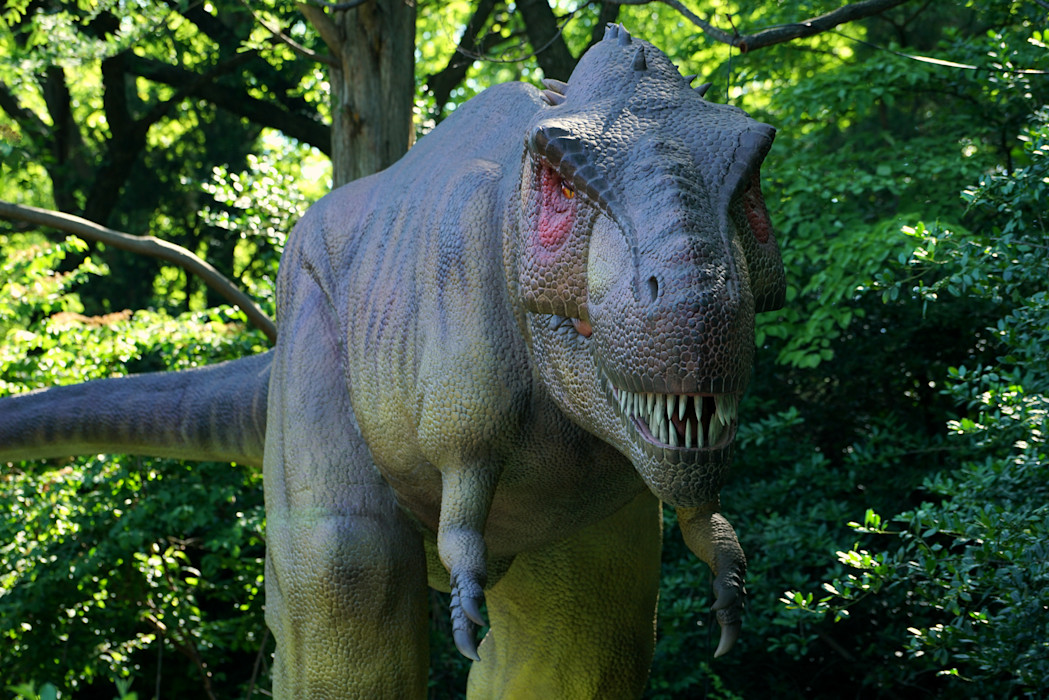
Dinosaurs have arrived at Brookfield Zoo Chicago! This is your chance to meet the most accurate robotic dinosaurs up close and imagine what the world was like when they walked it before us.
Dinosaurs dominated the Mesozoic Era, which spanned from about 245 to 66 million years ago. Then, dinosaurs — and much of Earth’s other life at that time — disappeared in what’s considered the planet’s fifth mass extinction.
But what does it really mean for a species to go extinct? And what can the extinction of dinosaurs teach us about at-risk species today?
What is extinction?
Extinction, which is when a species fully disappears from the earth, may sound scary — but extinction itself is a natural phenomenon.
“The natural process of extinction is usually slow and happens due to changes in animals and the environment over centuries,” said Senior Vice President of Animal Health, Welfare & Science Dr. Sathya Chinnadurai, one of the Zoo’s experts on species conservation. “It can be caused by changes in food availability, competition between species, environmental change, or even emerging diseases.”
Typically, as species go extinct over a long span of time, new species evolve to serve similar ecological roles, a transformation called “speciation.” In fact, in a lot of cases, extinction of one species may happen because a new, better-adapted species has displaced it.
Historically, it’s uncommon for a species to be wiped out without a successor. But when extinction is abrupt rather than gradual, there isn’t time for a new species to evolve and fill the extinct species’ shoes. And when this happens at both a faster rate and greater number of species over a relatively short period of geological time, it’s categorized as a mass extinction event.
Why did the dinosaurs go extinct?
While theories behind the dinosaurs' extinction are hotly debated, most scientific information suggests a major climactic event changed the dinosaurs’ world. According to dinosaur expert Don Lessem, or “Dino” Don, creator of the Dinos! exhibit, dinosaurs vanished from global warming and a suddenly toxic environment, likely triggered by volcanic eruptions and an asteroid.
Millions of years later, the world is changing rapidly again, but the cause is different — and potentially with even greater consequences. Human-induced (or anthropogenic) changes to the environment, such as deforestation and urbanization, happen much quicker.
“Dinosaurs provide our greatest cautionary tale about the fragility of life,” said Dino Don. “Poisoning the natural world today is wiping out species at a rate far faster than any extinction in the past — including the one that wiped out the dinosaurs.”
Why should we care about endangered species today?
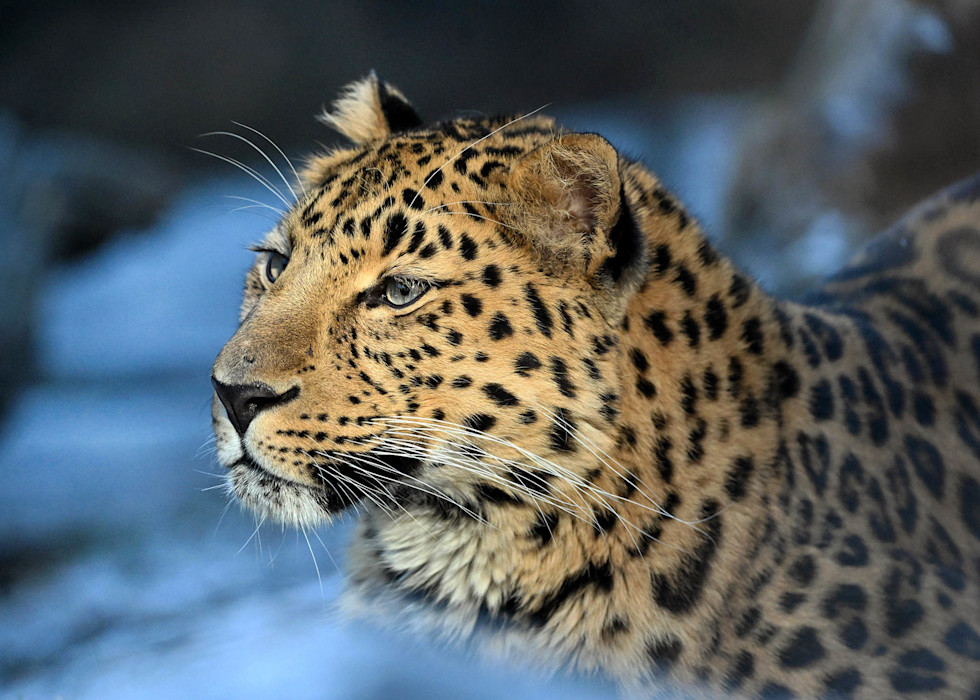
A slinking Amur leopard at the top of the food chain pounces on its prey, tending to the balance of species in the forests of Russia and China. A Grevy’s zebra munches off the top of coarse savannah grasses, clearing the way for other herbivores with less hearty digestive systems. The greater prairie chicken’s mating call signals a healthy grassland, inspiring native communities throughout Illinois’ history.
Every species plays an important role in their ecosystem. A wide variety of species, or biodiversity, supports the planet’s food supply, makes communities more resilient, and keeps natural environments intact.
When a species disappears, the entire ecosystem is affected. And when they disappear quickly, we don’t always know how that loss will change an environment. Some species, called keystone species, have such important jobs that without them, entire ecosystems could be affected.
“A species may be wiped out, leaving a void, resulting in other imbalances of other species in the ecosystem,” said Chinnadurai.
Though this may seem bleak, dinosaurs themselves did leave one thing behind: birds, the descendants of prehistoric dinos. Dinosaurs leave us with a hidden hopeful message. Nature is resilient and with our help, environments can be restored and species preserved. That’s why Brookfield Zoo Chicago helps take responsibility for endangered species.
How can zoos help species threatened by extinction?
When a species is in danger of going extinct, zoos can bolster the species population, lead research that would be impossible in the wild, and educate the public. Zoos and aquariums collaborate through programs like the Association of Zoos and Aquariums’ SAFE: Saving Animals From Extinction. In some cases, those collaborations lead to reintroducing or releasing animals into the wild.
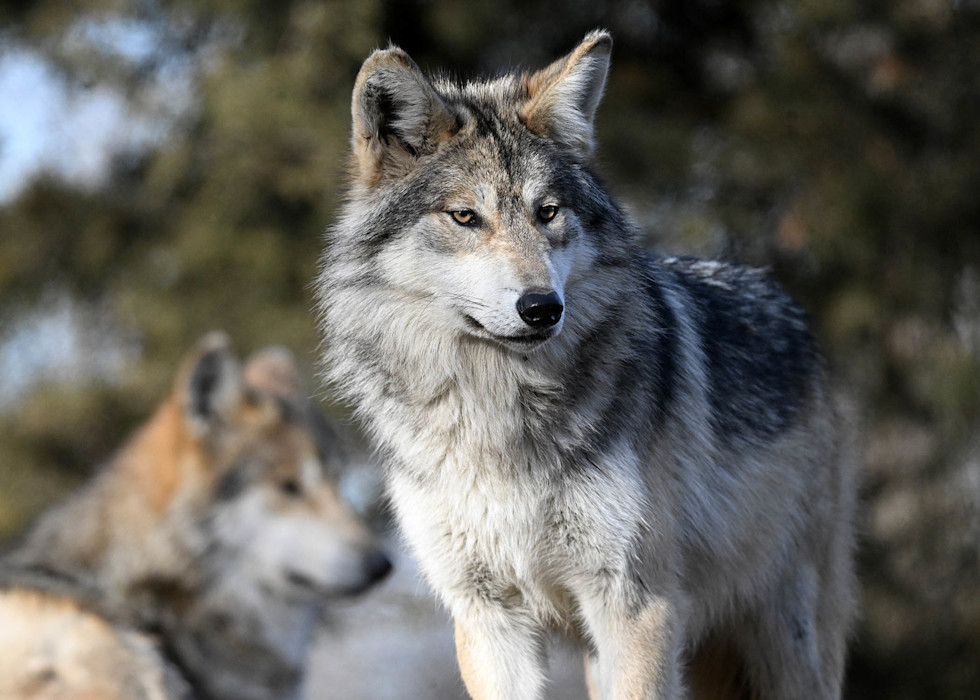
But another way zoos help endangered species is by bringing guests up close to them, inspiring them to care about animals around the world. At Brookfield Zoo Chicago, you can meet new members of endangered species, such as Amur leopard cubs, African wild dog pups, and a Grevy’s zebra foal. Endangered primates, some rescued from illegal wildlife trade, explore Bramsen Tropical Forests. A Guam kingfisher at Tropic World, wolves at Regenstein Wolf Woods, and Puerto Rican crested toads at The Swamp have all played a part in species reintroductions. And we are one of the only zoos where you can see a pangolin, the world’s most trafficked mammal, at Habitat Africa! The Forest.
This is why dinos are joining the Zoo this summer. Even though it’s too late for them, they can inspire us to care deeply about preserving today’s natural world in another era of drastic threats. In fact, dinosaurs brought Dino Don so much joy as a kid that he went on to study and monitor endangered species, such as mountain gorillas.
“I saw first-hand how conservation efforts and popular attention, including from zoos, helped sustain the threatened gorillas,” he said. Now, he brings dinosaurs to zoos so that kids like him can envision a world where mysterious and awe-inspiring creatures, from primates and hoofed animals to reptiles and birds, can live and flourish.
Dinos! runs from May 22 to October 25, 2026 throughout the park. Encounter over 20 different robotic dinosaurs, free with Zoo admission or membership!