Read about the birth of two new cubs at Brookfield Zoo Chicago and how they contribute to the Species Survival Plan for one of the world's rarest big cats.
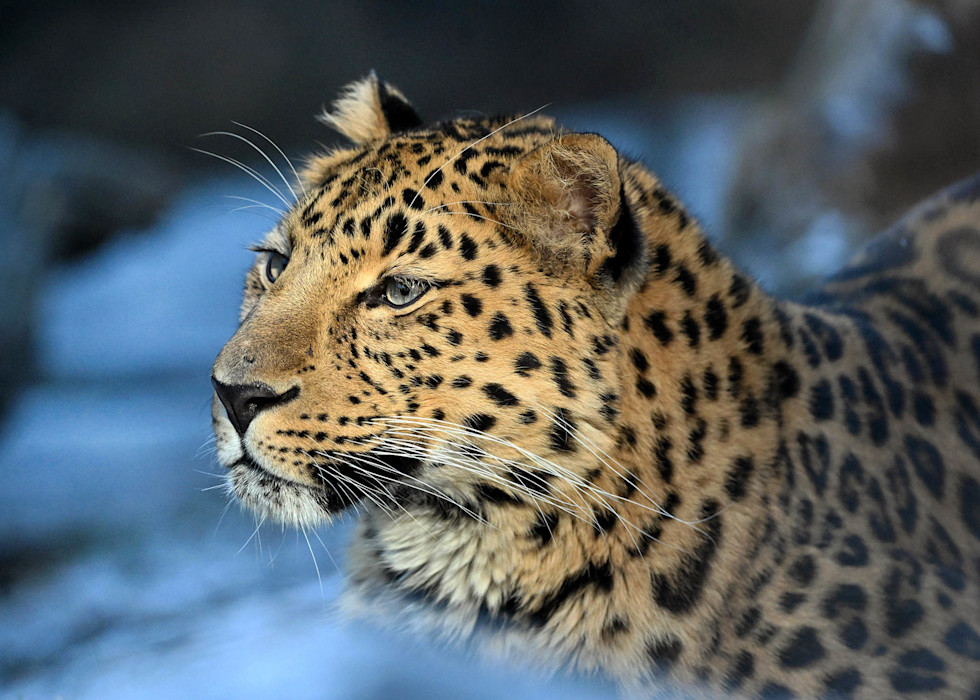
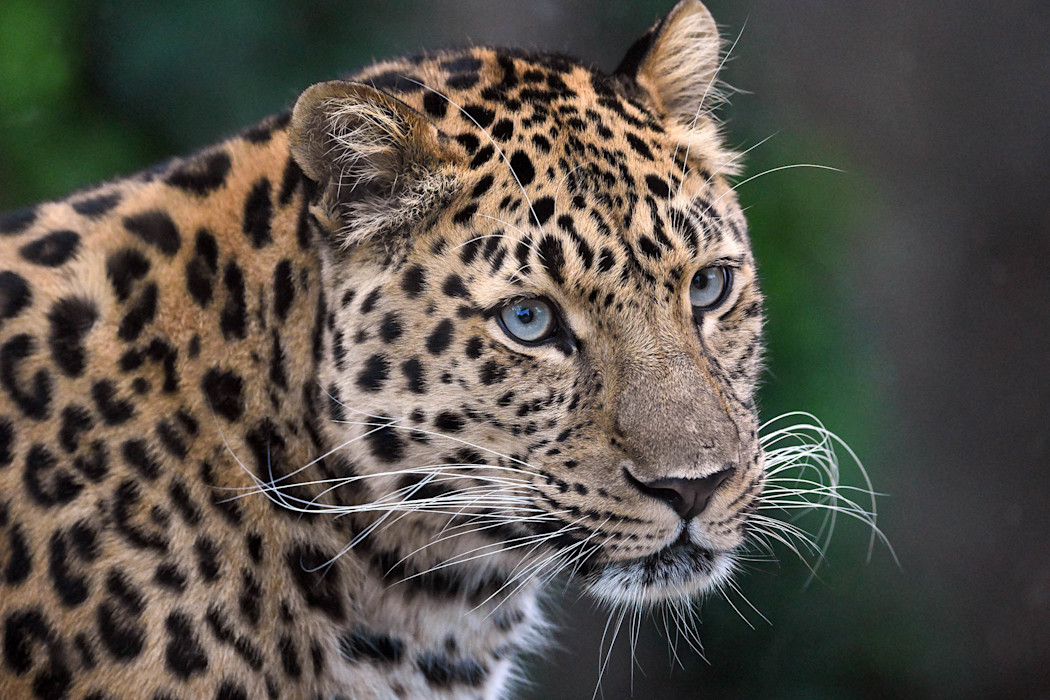
In eastern Russia, Amur leopards roam twilight forests on their own, avoiding open spaces and staying out of human sight. They thrive in cold temperatures with ultra-thick coats and long tails that help them stay warm in winter. But their elusive lifestyle isn't the only reason they are rarely seen in the wild.
Listed as Critically Endangered on the International Union for the Conservation of Nature (IUCN) Red List, Amur leopards face serious threats to their survival, including habitat loss, poaching, and forest fires. It is estimated there are around 100 of them in the wild.
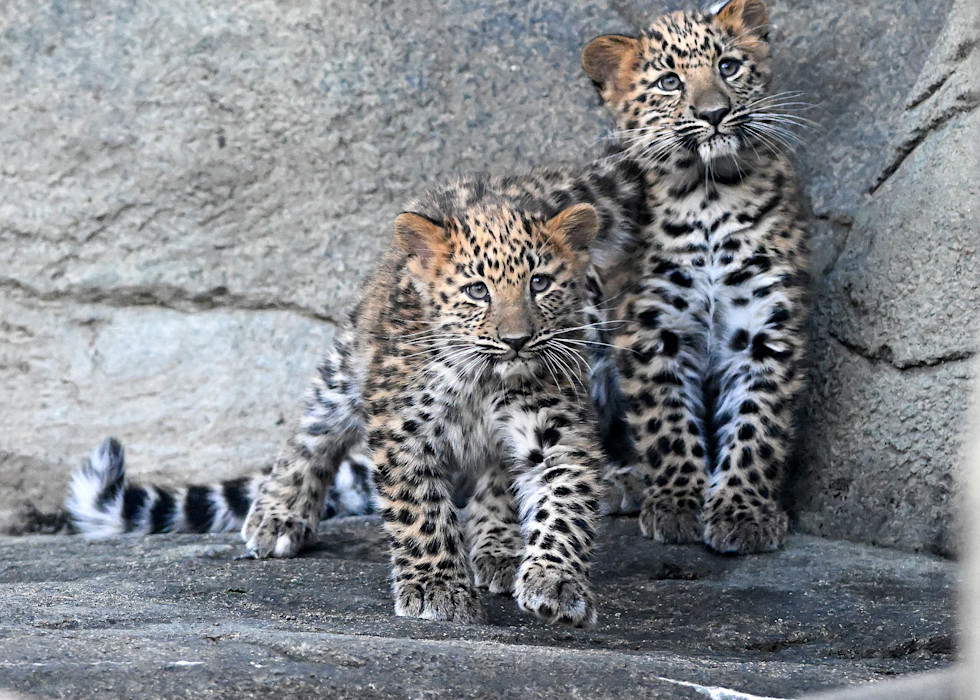
That’s why two brand new baby Amur leopard cubs born at Brookfield Zoo Chicago aren’t just cute and cuddly — they're also significant contributors to a fast-dwindling population of one of the world’s rarest cats. Born on July 14 to first-time mom Mina, the tiny duo represents not only new life, but renewed hope for a species on the brink.
Mina, an 6-year-old leopard who arrived in 2021 from Rosamond Gifford Zoo, has been caring for her newborns in a quiet, behind-the-scenes den. Like wild Amur leopard mothers, who instinctively keep their cubs hidden and protected in the first weeks of life, Mina has shown attentive and nurturing behaviors. Both cubs appear healthy and are nursing regularly.
Mina and father Sasha, who was also born at Brookfield Zoo Chicago in 2020, are a part of the Association of Zoos and Aquariums' (AZA) Species Survival Plan (SSP) for Amur leopards. SSPs play a vital role in protecting animals by helping manage healthy, genetically diverse populations in accredited zoos across North America. SSPs make recommendations on animal pairings for reproduction, making the birth of Mina’s new cubs possible.
For an imperiled species, every birth counts. Mina’s cubs are a significant milestone in the Zoo's ongoing efforts to help save one of the world’s most endangered big cats from extinction. Their births contribute to the nearly 70 Amur leopards in professional care as accredited zoos, like Brookfield Zoo Chicago, seek opportunities to bolster their populations before it's too late.
While the exact number of Amur leopards remaining in the wild is unknown, we do know the species has been in steady decline. Each birth represents a critical opportunity to help ensure this extraordinary animal doesn’t disappear forever.
Animal care staff are monitoring the family closely. Once the cubs are strong, confident, and ready to explore, just as they would in their natural habitat, you’ll be able to visit them at Big Cats — without a trip to Russia!