When Great Bear Wilderness opened in 2010, it brought together bison, bears, wolves, and eagles into habitats with rich cultural background. Native to the wilds of North America, the species are important to Indigenous communities. Many of these communities used to live on the land where Brookfield Zoo Chicago sits. The opening was commemorated with a ceremonial blessing from a local Native American organization.
Fifteen years later, Great Bear Wilderness continues to be a site of collaboration between Brookfield Zoo Chicago and Native American communities of Chicagoland. So when beloved bison Judy passed away, the Zoo wanted to honor the connection between Indigenous peoples and wildlife.
American bison are a powerful symbol of survival and hope for Native American communities. To celebrate her life and preserve a cultural practice, a representative from Midwest SOARRING (Save Our Ancestors Remains & Resources Indigenous Network Group) carried out a ceremonial blessing for Judy. The organization works toward repatriation, protecting sacred sites, and educating the public.
This ritual marks Brookfield Zoo Chicago’s renewed commitment to building strong relationships with the Indigenous people who once lived on the land that now belongs to the Forest Preserves of Cook County (Where the now Zoo sits). From our staff to our guests, we all build meaningful connections with animals. Yet we have much to learn from our Native American partners — their relationship with wildlife spans far beyond the Zoo’s history and mission. They are the original stewards of the land on which the Zoo resides.
In recognition of this and our responsibility to tell accurate historical stories, we released our official Land Acknowledgement in 2024. We consulted with local Indigenous organizations to develop it. The acknowledgement and our four commitments were read publicly, and a sign was unveiled at Great Bear Wilderness in November of 2024. This began an annual tradition: the Celebration of Native American Heritage.
A land acknowledgement should include planned action. So Brookfield Zoo Chicago established four commitments that guide our work to better honor the stories and voices of Indigenous communities.
Our first commitment is supporting access to and use of the land at the Zoo for cultural practices, as well as access to culturally relevant species and materials of animal origin, where possible.
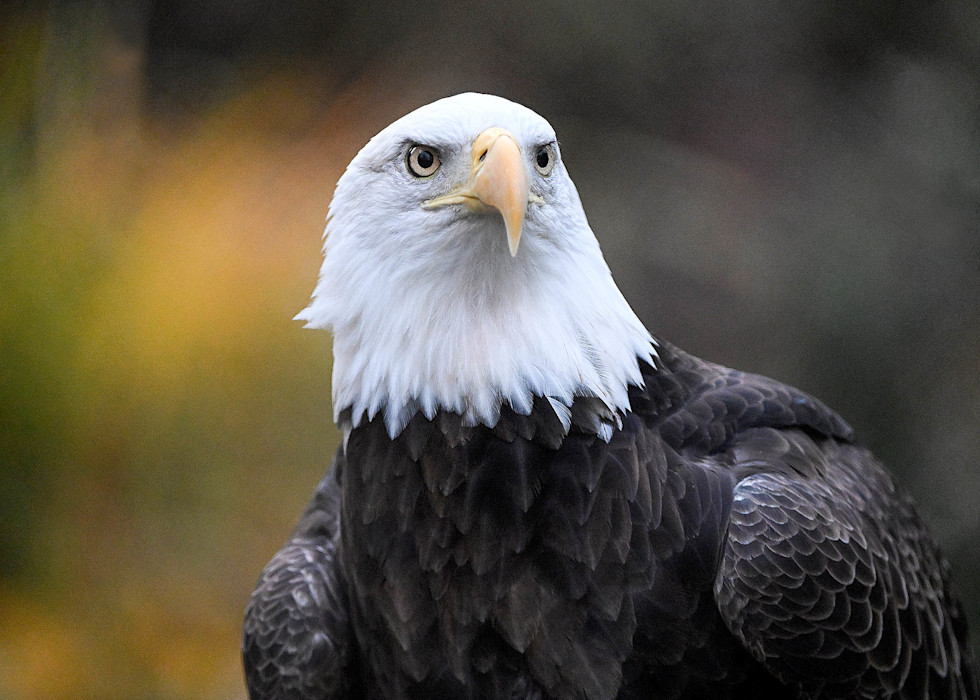
Did you know that by law, only Native Americans who have received a permit from the U.S. Fish & Wildlife Service (USFWS) are allowed to have any part of an eagle’s body? Bald eagles Zeus and Charlie shed feathers at Great Bear Wilderness. These feathers are donated to USFWS’ National Eagle Repository to be given back to tribes.
Eagles are regarded with respect and reverence by many Native American tribes. They use eagle feathers for ceremonial purposes. The feathers are also given to individuals in recognition of an extraordinary achievement.
“The eagle is one of our highest-flying birds,” said Joseph Standing Bear Schranz, president and founding director of our partner Midwest SOARRING. “When we offer prayers, the eagle carries the prayers to the Creator. They are very sacred to us.”
As we welcome Indigenous partners to the Zoo, they teach us about culturally significant materials of animal origin and plant species. For example, we recently cleared some basswood trees around Swan Lake. Trickster Cultural Center showed Zoo staff and program participants how the trees’ wood fibers can be braided into rope.
By listening to Indigenous voices, we learn how to better connect with the land.
Learning From Native American Voices
Our second commitment is to tell accurate historical stories and bring forward the voices of Native American communities.
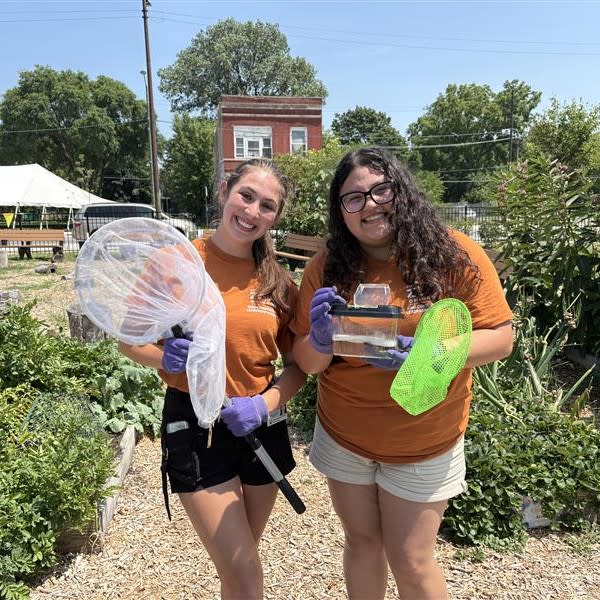
Through our education programs, we invite you to learn with us. Zoo Adventure Passport (ZAP!) has brought groups and individuals to the Zoo to share about herbalism, seed gifting, harvesting of natural clay, finger weaving, and more. Conservation Through Gardening participants learned about three sisters plantings. This involves growing the three main Indigenous crops in a shared space: squash, maize (corn), and beans.
During the summer, ZAP! Storytime offers cultural groups space to share their relationship with wildlife. "Brookfield Zoo Chicago asks us all to 'Connect. Care. Conserve.' This starts with listening to the cultural contexts of our community collaborators and the reverence that is provided to wildlife and nature,” said Graig Mason, director of the King Conservation Leadership Academy.
Our partner Trickster Cultural Center, for example, increases visibility of Native American traditions and contemporary cultural arts through community engagement, social advocacy, and collaborative education. They visited our guests to share about the oral tradition of the story of Turtle Island — a Native American creation story. Though the story is not always the same, at its core is a deep respect for the environment. And of course, the turtle, upon whose back land forms and grows.
“By intentionally creating space to share language, expressive arts, various forms of storytelling, dance, and other cultural elements, we celebrate the interwoven diversity of perspectives and life on this planet,” said Mason.
Honoring Those That Came Before Us
Our third commitment is honoring and celebrating those who came before us on the land on which Brookfield Zoo Chicago resides.
With the first reading of the Land Acknowledgement in 2024, we began a regular practice. Each year, Indigenous groups will begin the celebration privately. Then, guests can join us for locally sourced traditional food, Zoo Chats, cultural performances, and more!
The Chicago metropolitan area is home to the largest urban population of Native American individuals. That’s why we hope to continue private access for local tribes to events such as Holiday Magic. The lands and waterways where Brookfield Zoo Chicago resides were once a place of intertribal passage, trade, and community. Private access events allow for learning, reflection, and celebration.
Building Relationships
Our fourth commitment is fostering meaningful relationships and partnerships with Native American communities based on trust and collective benefit. All our commitments begin and end with this goal.
Part of establishing a Land Acknowledgement is understanding that the work is never done. Our Land Acknowledgement and work with Indigenous groups will evolve as we gather feedback from our partners. Brookfield Zoo Chicago is a place of learning for everyone — and that includes the Zoo itself! We are never finished building relationships with Native groups and the land. Through our Land Acknowledgement, we recognize that the two relationships are inseparable.
As we grow, we invite you to join us!
We can build meaningful relationships by connecting you with opportunities to learn. Here are ways you can celebrate Native American heritage this November:
Attend the Celebration of Native American Heritage in November! The event is free with Holiday Magic tickets on November 22.
Check out Midwest SOARRING’s annual Pow Wow or explore other resources. You can also check out Trickster Cultural Center.
Sign up for a family-friendly free gardening session with ZAP! to learn more about Native American practices for caring for a thriving garden.
Register for a ZAP! Conservationists in Action virtual celebration featuring a Native American voice in conservation work.
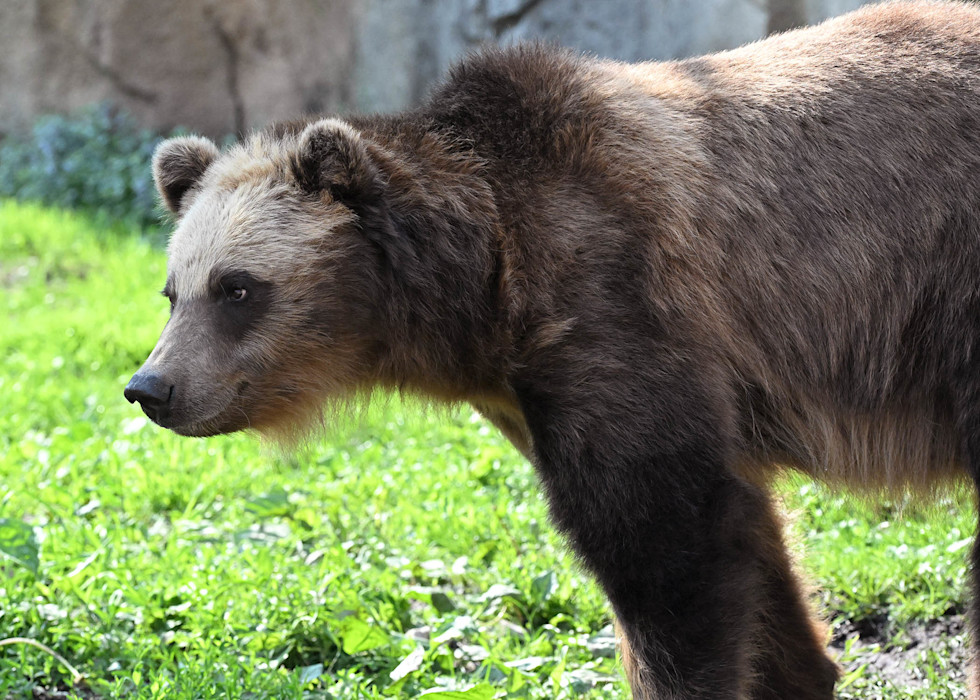
Visit culturally significant animals at the Zoo, such as bison, bears, eagles, antelope, wolves, and turtles.
Go on a slow, contemplative walk around Swan Lake. Take time to appreciate the land underneath your feet, the trees above you, and plants around you. The quieter you are, the more likely you are to see local wildlife such as birds, chipmunks, and deer.
Thank you to Midwest SOARRING, Trickster Cultural Center, and all the Indigenous voices that have weighed in on our work and shared their knowledge with Brookfield Zoo Chicago.