How Brookfield Zoo Chicago is transforming pangolin care and conservation for a brighter future
Over 10 years ago, it was widely believed that caring for pangolins in zoos was impossible. As the world’s most trafficked mammal, rescued pangolins are often in poor health, struggling to make it another day. They face too many risks, and veterinarians and scientists knew so little about their needs. The pangolin diet was thought to be too complex to replicate. And even if the adults could survive, a zoo population wouldn’t be strong enough to support pangolin babies (or pangopups). Pangolins were an unsolvable mystery, with numbers dwindling fast in the wild.
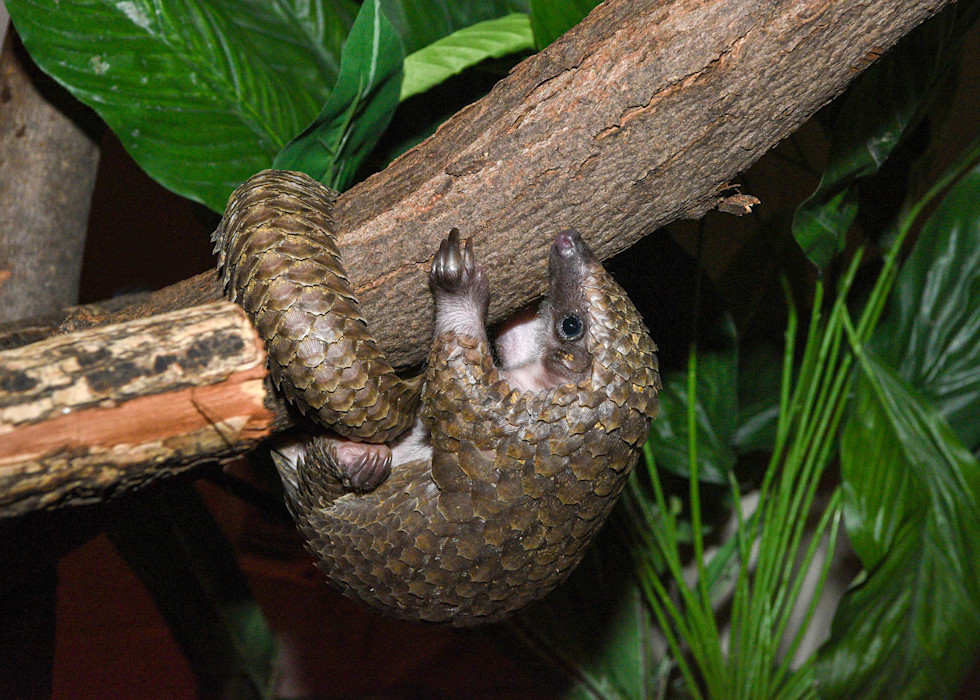
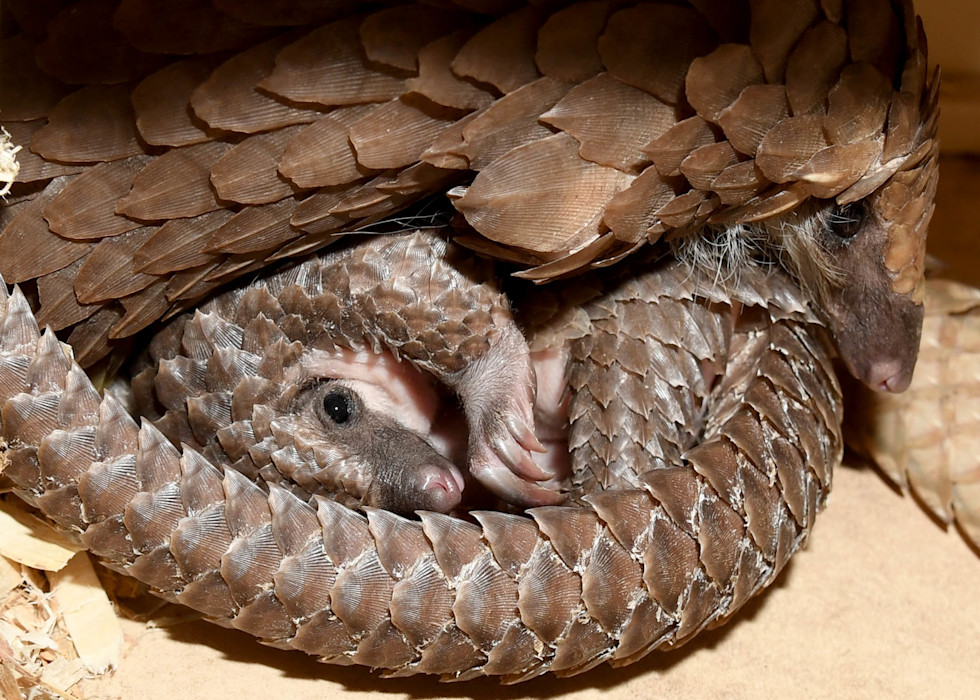
Today, you can visit a white-bellied pangolin in Habitat Africa! The Forest at Brookfield Zoo Chicago. Behind the scenes, animal care specialists feed 11 other pangolins a diet made of four insect species created by Director of Nutrition Dr. Jennifer Watts. Our scientists study them, exchanging findings and data with global partners that also care for pangolins. This February, we celebrated the birth of Rosy's first pangopup — the tenth pangolin birth at Brookfield Zoo Chicago!
These extraordinary efforts are a result of the North American Pangolin Consortium (NAPC), which Brookfield Zoo Chicago helped establish in 2016. The goal of NAPC was to unravel some of the mysteries around pangolins so that conservationists could better care for them in the wild. Pangolins in zoos would also serve as a safety net if the wild population went extinct.
After years of research and collaboration, we know so much more about the “scaly anteater.” Now, it’s time to bring together everyone who dreams of saving the pangolin. There’s a lot of work left to do!
Why are Pangolins in Danger?
Though we’ve learned a lot about caring for pangolins in zoos, their wild counterparts still face impossible odds. All eight species, native to Africa and Asia, are declining. They range from Vulnerable to Critically Endangered on the International Union for Conservation of Nature (IUCN) Red List — the world’s most comprehensive information source on conservation status.
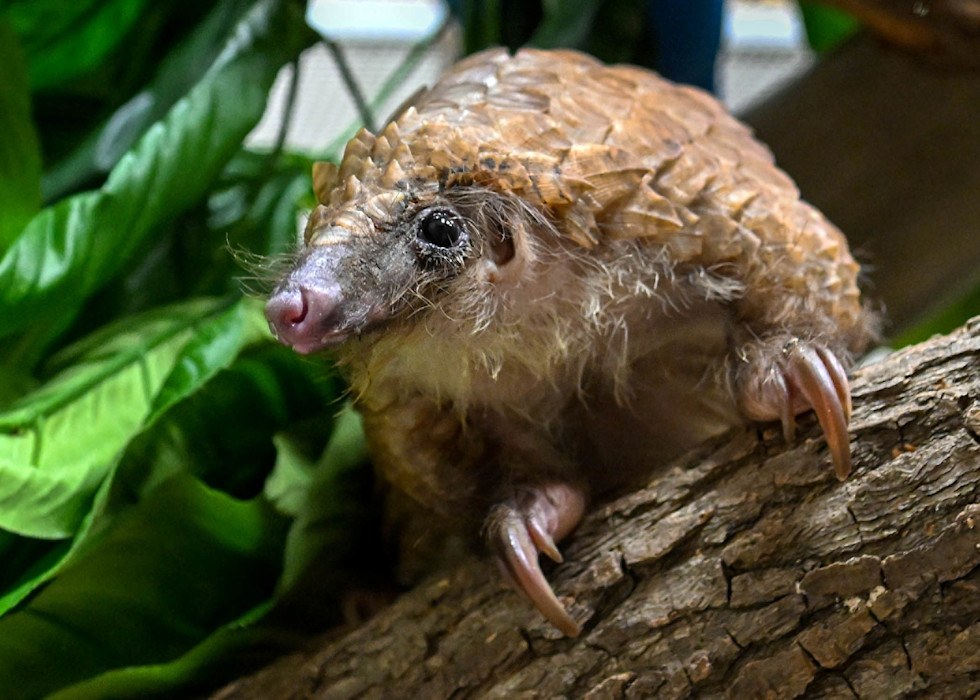
The pangolin is a strange creature, covered in hard scales made of keratin and mostly nocturnal. Though slow-moving, they roll into a ball if they feel threatened, protected by their scales.
However elusive they may be, illegal trafficking has devastated pangolins. The IUCN Pangolin Specialist Group estimates that over one million pangolins have been snatched from the wild in the past decade, primarily for their scales and meat. Over time, high prices for pangolin meat have made it a luxury. In Africa and Asia, their scales are believed to have medicinal value.
Fighting pangolin overexploitation starts with expanding our own network. To save the pangolin, we collaborate to redefine its value: a treasure to be preserved, not sold.
Leading Pangolins to Safety
This is why the Association of Zoos and Aquariums’ (AZA) SAFE: Saving Animals From Extinction program exists: to bring accredited zoos and aquariums together to save endangered species. Through our collective expertise, we both support conservation efforts and inspire our audience to join us.
After years of successfully caring for pangolins, Brookfield Zoo Chicago is leading the brand-new AZA SAFE Pangolin program. This is a significant step for pangolins, as SAFE programs are designed to create unity and action. SAFE Pangolin will gather data, experiences, and strategies together under one shared purpose.
“As the newest AZA SAFE Program Leader, I am thrilled to collaborate with AZA institutions and partners to provide another meaningful opportunity for pangolin conservation. The AZA SAFE model truly enables synergy across multiple disciplines and organizations,” said Associate Vice President of Animal Care and Conservation Mark Wanner.
In Africa, many communities share their environment with pangolins. Brookfield Zoo Chicago and our partners’ next step is putting expertise in action by engaging those communities and supporting researchers on the ground. By working with the Pangolin Conservation and Research Foundation in Namibia, we collaborate with communities living alongside and studying pangolins to protect them.
Connecting the public to nature and threatened species is what zoos do best, and SAFE programs help us speak louder together. We share what we’ve learned so that you, too, can help redefine the plight of the pangolin. When you visit Kara the pangolin at Brookfield Zoo Chicago, it will likely be your only chance to see a pangolin.
Curled around twilight branches, Kara is, indeed, a mystery — but one that evokes wonder, not despair. This wonder connects all of us and drives us to discover more about her and her wild counterparts. She reminds us of what we once thought was impossible, inspiring us to continue working toward a safer world for pangolins. We hope she does the same for you.