Species Survival Plans

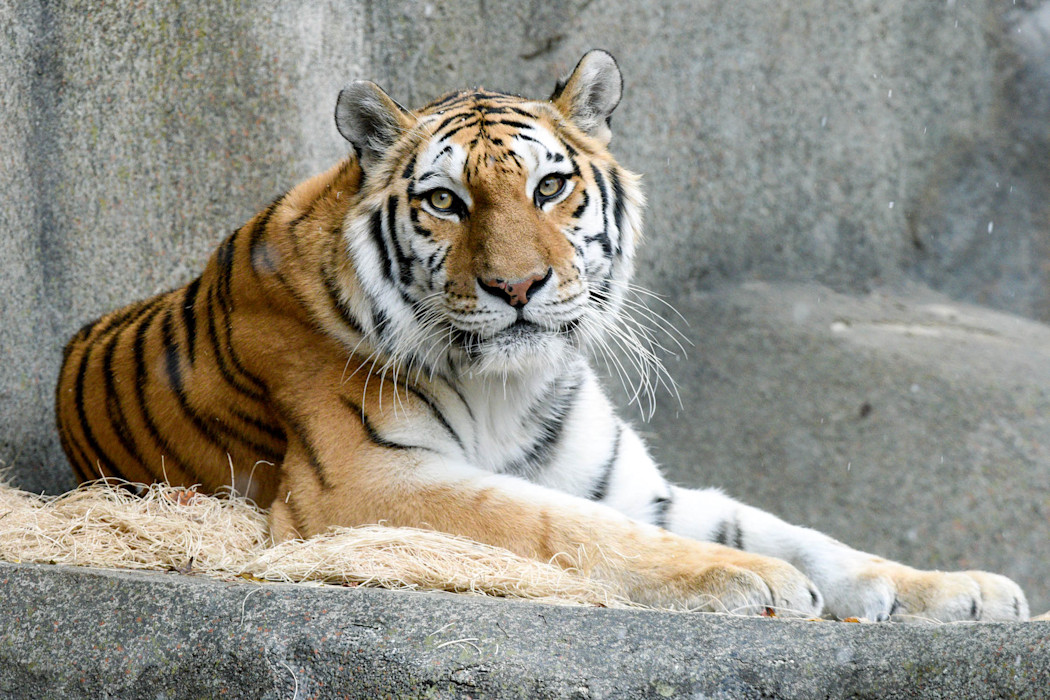
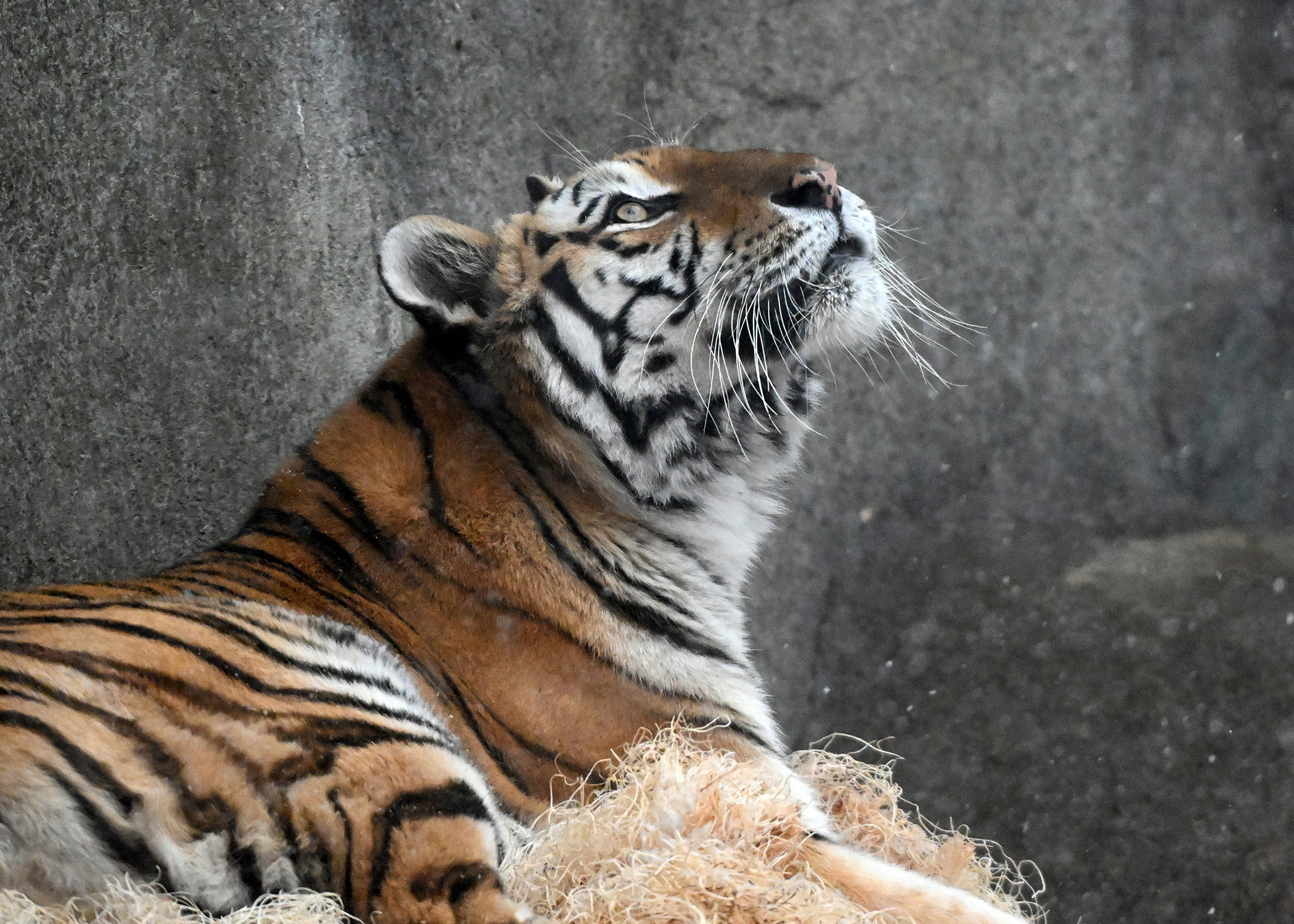
An Amur tiger looks up towards the snowy sky.

Species Survival and Wildlife Conservation at Brookfield Zoo Chicago

At Brookfield Zoo Chicago, we do more than just care for animals—we protect their future. As a leader in wildlife conservation, one ways we are able to do that is through Species Survival Plans (SSP).

SSPs are strategic blueprints designed to save the world’s most at-risk animals. By using smart science and partnering with other zoos, we make sure no species disappears on our watch.
What are Species Survival Plans?

A Species Survival Plan is a program created by the Association of Zoos and Aquariums (AZA). It allows zoos across North America to work together as one big team to manage and protect endangered animals.

The goal is to keep animal populations healthy, strong, and growing. Currently, Brookfield Zoo Chicago participates in over 100 different SSP programs.

The three main goals of an SSP:

  • Genetic Diversity: Making sure animals have different "family lines." This keeps them healthy and helps them fight off diseases.

  • Self-Sustaining Populations: Managing breeding so there are enough animals to keep the species going for 100 years or more.

  • Reintroduction: Creating a "safety net." If an animal disappears in the wild due to habitat loss or disease, zoos have a healthy population ready to return to nature.

Why is Genetic Diversity Important?

To keep a species from dying out, scientists prioritize genetic diversity. A diverse group of animals is much better at surviving challenges like:

  • Disease: If every animal has the same genes, one virus could wipe out the whole group. Variety helps some individuals stay immune.

  • Environmental Change: Genetic variety helps species adapt as the climate or habitat changes.

  • Health Risks: Scientific management ensures that animals are not closely related. This prevents the health problems and physical weaknesses that happen when a group is too small or isolated.

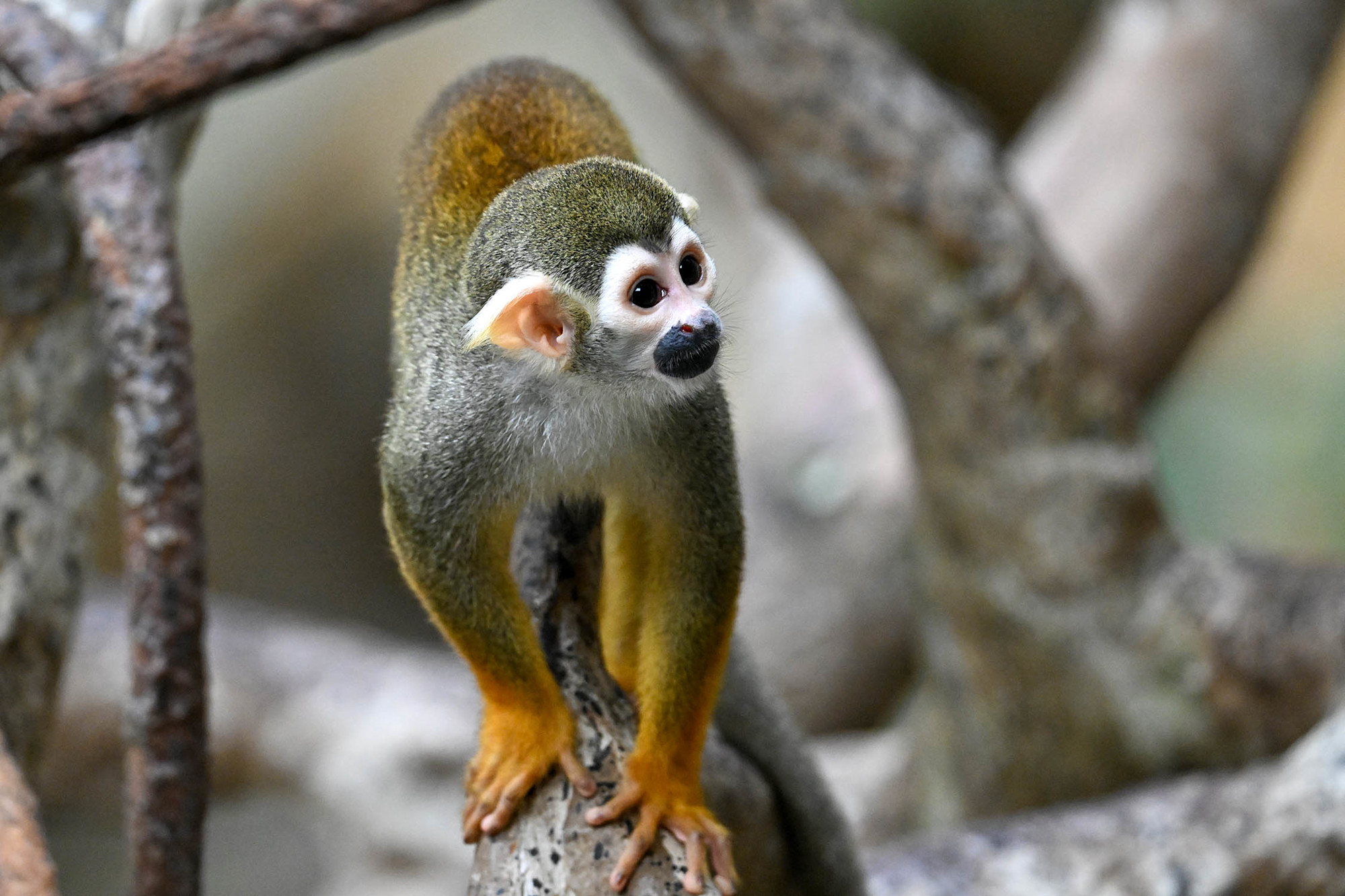
A squirrel monkey perched on a branch, displaying its small body and golden-yellow limbs.

How Do Zoos Save Wildlife Together?

Think of an SSP as a global health network and safety net for endangered species. This is a form of ex situ conservation. This means that species have a thriving future in professional care even if their wild homes are in danger.

Why is a Safety Net Needed?

Extinction is forever. That is why we work so hard to build a biological safety net for the world’s most at-risk species.

While we have dedicated scientists in the field working to protect animals in their natural homes like rainforests and oceans, we also have experts at the Zoo protecting animals up close.

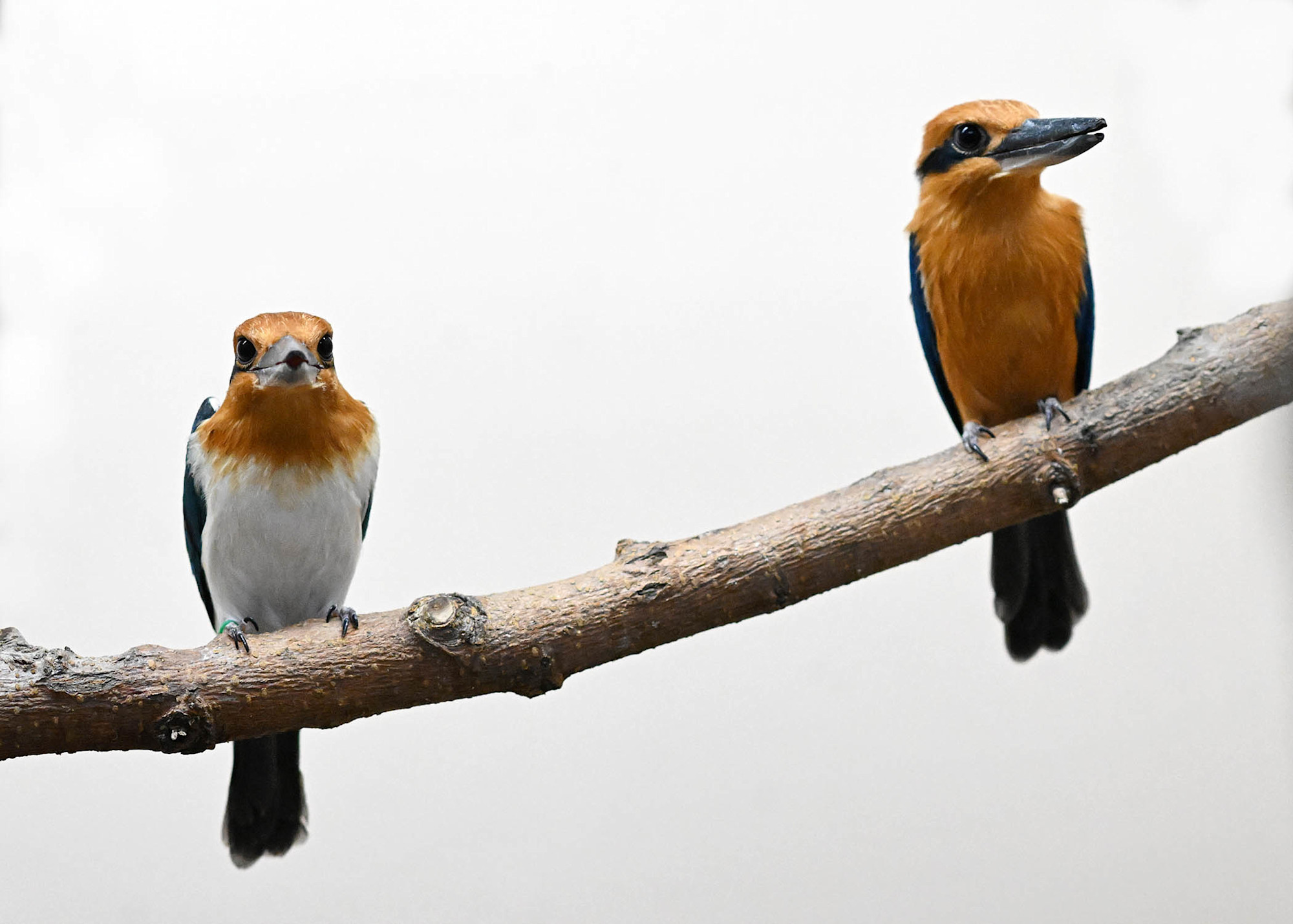
Two Guam kingfishers perch on a branch, one with a white chest and one with an orange chest.
Conservation in Action

A Success Story for the Guam Kingfisher

The Guam kingfisher, or Sihek, is a powerful example of how zoos can save animals from disappearing forever.

In the 1980s, these birds were declared extinct in the wild by the IUCN Red List after invasive brown tree snakes destroyed their population on the island of Guam. To save them, a rescue effort was launched in the 1980s to bring the nearly 30 remaining individuals into professional care, including Brookfield Zoo Chicago. In 2024, the Sihek Recovery Program, began the history process of releasing birds back into the wild on the island to give them a second chance at life in nature. The birds have laid eggs on their new Pacific island home, making them the first wild eggs for the species in almost 40 years.

The Brookfield Zoo Chicago now cares for the largest population of Sihek at a single institution and works with fellow SSPs around the world to ensure a thriving future.

Supporting Global Conservation Research

SSPs do more than just manage the animals we see. They also support critical research that helps protect animals in the wild. By studying animals in zoo and aquarium environments, researchers and zoos can:

  1. Develop medical treatments for animals in the wild

  2. Create better tracking technology for field scientists

  3. Share data that helps scientists all over the world save species from extinction.

At Brookfield Zoo Chicago, our scientists and animal care experts are working together to help protect the future our planet!

Animals with Species Survival Plans

...